Guide No. 15 · The Stately Homes
What Is a Walled Kitchen Garden?
Every great house had a second garden, and it was not the one in the paintings. Behind a high brick wall, out of sight of the drawing room windows, sat a few acres of ground engineered to produce peaches in England and pineapples in Scotland. This is how it worked, and why almost none of it survived the twentieth century intact.
A walled kitchen garden is the enclosed, food-producing garden of a country estate: usually between one and six acres inside a brick or stone wall, laid out in beds and paths, and worked to supply the household with fruit, vegetables, herbs and cut flowers through the whole year. The walls are not decoration or defence. They are climate control.
The distinction that matters on a visit is simple. The pleasure grounds were designed to be seen in. The kitchen garden was a workplace, and it was normally put where the family would not have to look at it.
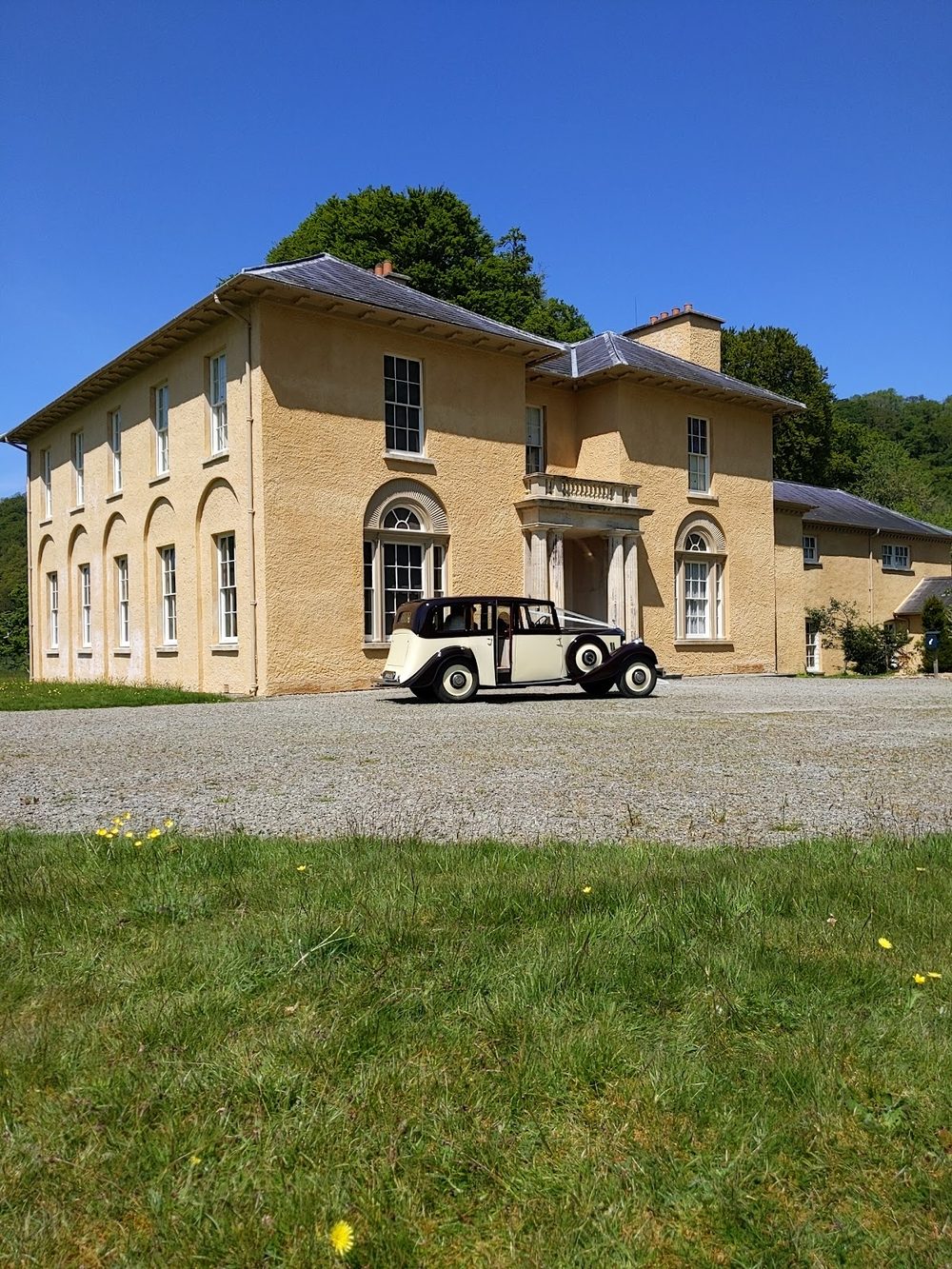
Walls that make their own weather
Brick is the point. A wall soaks up heat all day and gives it back slowly through the night, so the air inside a walled enclosure runs measurably warmer than the field beyond it, and the sunny face of a south-facing wall warmer still. That is enough of a margin to ripen peaches, nectarines, apricots and dessert grapes in a country whose open ground will not do it. Fruit was trained flat against the brickwork as espaliers and fans to sit in that warmth, and the shaded north-facing wall got the crops that preferred it, or the sheds.
Some owners were not content to wait for the sun. A hot wall, or flued wall, is built hollow, with a fire or boiler at one end driving warm air or hot water through channels in the brickwork and out through chimneys along the top. The most theatrical surviving example is at Dunmore in Stirlingshire, where a hothouse was built into the retaining wall of a six-acre south-facing garden in 1761 and the flue chimneys were disguised as Grecian urns. The building above it later grew a stone cupola carved as a pineapple, which tells you what the whole apparatus was for.
Pineapples, and the arms race they started
The pineapple was the trophy crop, and it was won by fermentation rather than fire. The first reliable British crop is credited to Henry Telende, a Dutch gardener working for the merchant Matthew Decker at Richmond between 1714 and 1716, an achievement commemorated in a painting of 1720. His method, published in 1721, sank the pots into a tan pit lined with pebbles, then manure, then tanners' bark: waste oak bark from the leather trade, which as it rotted held a steady 25C to 30C for two or three months. Nothing better came along until the late 1800s.
What followed was a century of competitive glasshouse building. James Justice grew pineapples in Scotland from 1728. William Speechly published his treatise in 1779, setting out a pinery-vinery that raised pineapples and grapes under one roof. Then the economics changed underneath the whole business: the excise duty on glass was abolished in 1845 and the window tax in 1851, and the price of glazing collapsed. Ranges that would have been unthinkable a generation earlier went up along the north walls of kitchen gardens everywhere.
Holkham Hall in Norfolk shows the finished article. Its six-acre walled garden was laid out by Samuel Wyatt in the late 1700s, and in 1872 Henry Ormson built the large glasshouses on the north wall for the 2nd Earl of Leicester: a peach house, a Muscat house, a fig house and vineries. The estate grew more than the household could eat, and sent the surplus fruit down to the London evening markets.
Slips, bothies and the people who ran it
Calke Abbey in Derbyshire preserves the anatomy better than most, because the National Trust chose to repair it rather than restore it. The walled gardens there were built in 1772-4 and were never one garden but several: a kitchen garden, a physic garden, a flower garden, an orchard, and a narrow slip garden along the south side. The slip is the piece visitors usually miss. It was the untidy outer strip, holding frames, hotbeds, nursery rows and compost, deliberately kept outside the decorative walls so nobody had to see it. An orangery of about 1777 stands in the same enclosure, along with a rare auricula theatre in the north-west corner and a gardener's bothy.
The bothy is the human part of the machine. Young unmarried journeymen gardeners lived on the premises, close to the glasshouse boilers they had to stoke through the night, under a head gardener whose standing on an estate was closer to a senior professional than a servant. How many people this took varied enormously between houses and is patchily recorded, so any single figure quoted for the country as a whole is worth treating with suspicion. The reliable statement is narrower: the system was built on skilled labour that was cheap, resident and available at three in the morning.
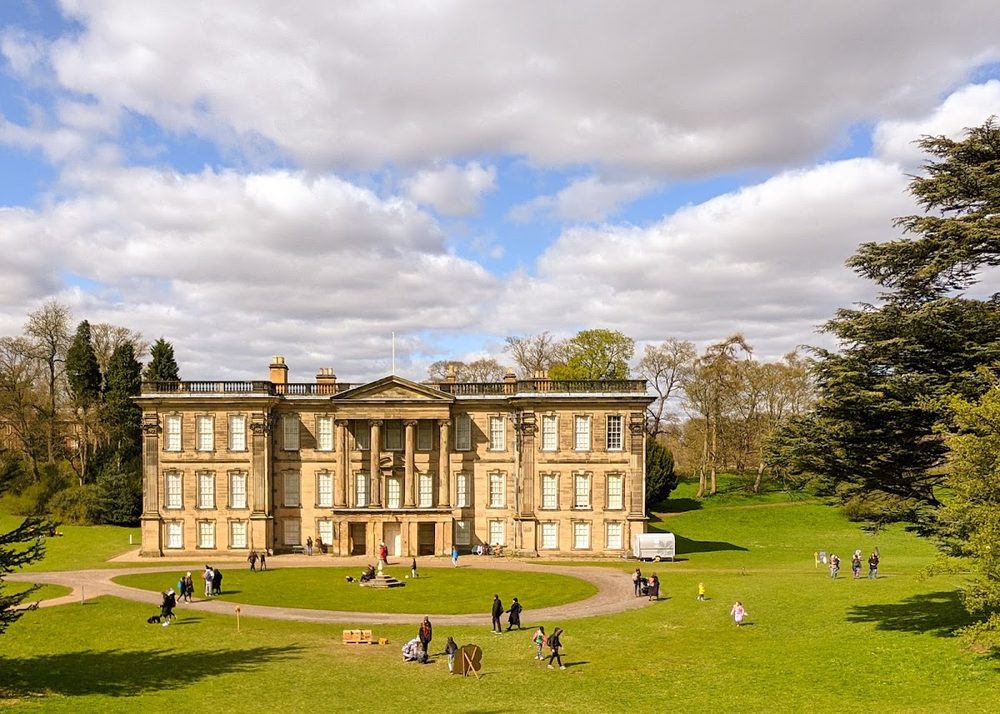
What broke it
That labour supply ended in 1914. The best-known record of it is at the Lost Gardens of Heligan in Cornwall, where the outdoor staff wrote their names in pencil on the lime plaster of the bothy privy wall in August 1914, under the line "Don't come here to sleep or slumber." The Imperial War Museums, which registered the wall as a memorial, record twenty men commemorated there and nine who died. Published accounts of exactly how many of Heligan's gardeners went and how many came back do not agree with each other, and the estate labour books and the memorial are counting slightly different things. The direction is not in doubt even where the arithmetic is.
What finished the job afterwards was money. Death duties cut estate incomes, coal and wages went up, and the railways and refrigerated shipping made out-of-season fruit and vegetables something a household could buy instead of grow. A heated glasshouse range is the most expensive thing in a garden to run, so it went first, and the walls it stood against followed it into neglect. A good many former kitchen gardens on British estates ended up as commercial nurseries, Christmas-tree plots, car parks or rough grass.
What happened to the walls
The walls, though, are hard to demolish and expensive to replace, which is why so many are still standing with something new inside them. Houghton Hall took the ornamental route: from 1991 the present Lord Cholmondeley remade five acres inside the old kitchen garden walls as a memorial to his grandmother Lady Sybil Cholmondeley, with the designers Julian and Isabel Bannerman, and opened it in 1996. It is a set of contrasting garden rooms now, but a kitchen garden of espaliered fruit and glasshouses is still one of them.
Scampston Hall in North Yorkshire went further from the original use and produced the most celebrated result. Its four and a half acres inside 18th-century kitchen garden walls had been derelict for close to fifty years when the Legard family commissioned Piet Oudolf, whose design opened in 2005 and remains his largest private commission in Britain. Cut flower and vegetable gardens are still part of the layout, sitting inside a plan that is otherwise about grasses and perennials.
Others kept working. Llanerchaeron in Ceredigion, built by John Nash in 1795 as a deliberately self-sufficient gentry estate, still has its walled gardens in production, with veteran fruit trees around two centuries old and produce sold at the visitor centre, alongside the dairy, brewery and salting house that completed the system. At Floors Castle in the Borders, what visitors write about most is not the state rooms but the walled garden, and the peaches still coming out of the original glasshouse.
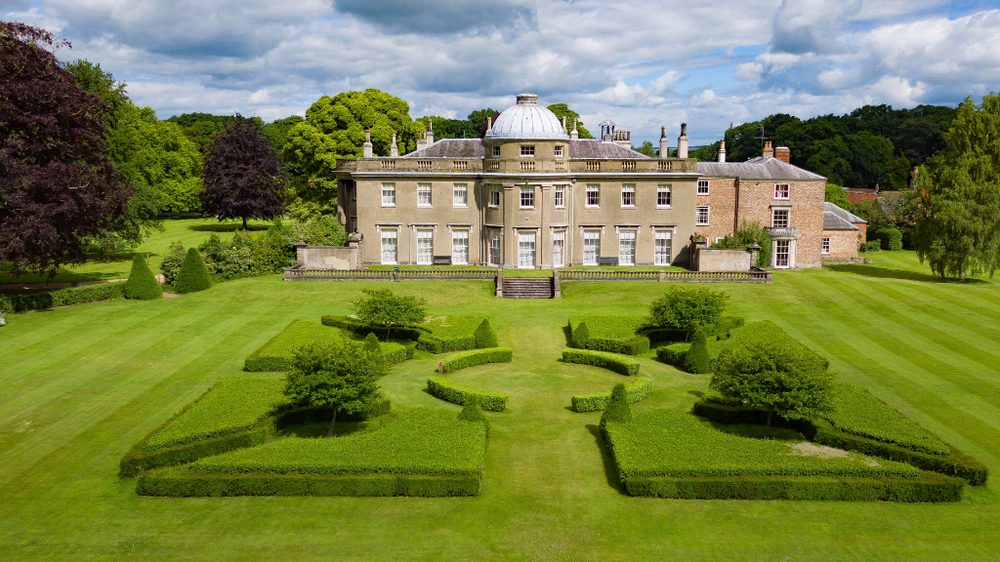
What to look for on a visit
Four things read the garden quickly. Check which way the longest wall faces, because the warm south-facing side is where the trained fruit was and often still is. Look along the top of the walls for chimneys, and along the base for blocked-up stoke holes, both of which mean the wall was heated. Find the outer strip beyond the decorative wall, which is where the frames and the compost lived. And look for a small plain door and a modest building in a corner: that is usually the bothy, where the people who made the whole thing possible actually slept. Their colleagues on the other side of the wall are covered in our guide to how a country house was staffed.
Quick answers
What is a walled kitchen garden?
A walled kitchen garden is the enclosed, food-producing garden of a country estate: typically one to six acres of ground inside a brick or stone wall, laid out in beds and paths, and worked to supply the household with fruit, vegetables, herbs and cut flowers all year. It is a separate place from the ornamental garden, usually sited out of sight of the main rooms, and it was a workplace rather than somewhere the family walked for pleasure.
Why were kitchen gardens walled?
Mainly for climate, not for security. A brick or stone wall absorbs the sun's heat during the day and releases it slowly overnight, which raises the temperature inside the enclosure by enough to ripen fruit that would otherwise fail at British latitudes. The walls also break the wind, shelter trained fruit trees on their warm faces, and keep out deer and livestock. Growing peaches, apricots, nectarines and grapes outdoors in Britain depends on that borrowed heat.
What is a hot wall or flued wall?
A hollow garden wall with flues running through it and a fire or boiler at one end, so that hot air or hot water circulates inside the brickwork and warms the fruit trained on the outer face. The smoke leaves through chimneys along the top. At Dunmore in Stirlingshire, built from 1761, those chimneys were disguised as Grecian urns. Blocked-up stoke holes and odd chimney stacks along a garden wall are often the only surviving evidence that a wall was heated.
How did country houses grow pineapples?
In pits and hothouses heated by fermentation rather than by fire. The first reliable British crop is credited to Henry Telende, a Dutch gardener working for the merchant Matthew Decker at Richmond between 1714 and 1716, and a painting of 1720 was commissioned to mark it. Telende's method, published in 1721, plunged the pots into a tan pit layered with pebbles, manure and tanners' bark: the fermenting oak bark held a steady 25C to 30C for two or three months. It stayed the standard technique into the late 1800s, and a pineapple grown that way took a long time and a great deal of fuel and labour, which is exactly why serving one made a point.
Why did walled kitchen gardens fall out of use?
Because the thing that made them work was cheap skilled labour, and that ended. The First World War took the garden staff, and many estates never rebuilt the teams afterwards. At the same time death duties squeezed estate incomes, coal and wages rose, and the railways and refrigerated shipping made out-of-season produce buyable rather than growable. The heated glasshouse ranges were usually the first thing abandoned. Most walled gardens were then let go, turned over to nursery stock or Christmas trees, or simply left, and only a minority have been brought back.
Where to walk inside the walls
Nine houses on the list where the working garden is still worth the walk, from an estate that never stopped growing food to a derelict plot turned into one of Britain's best-known modern gardens:
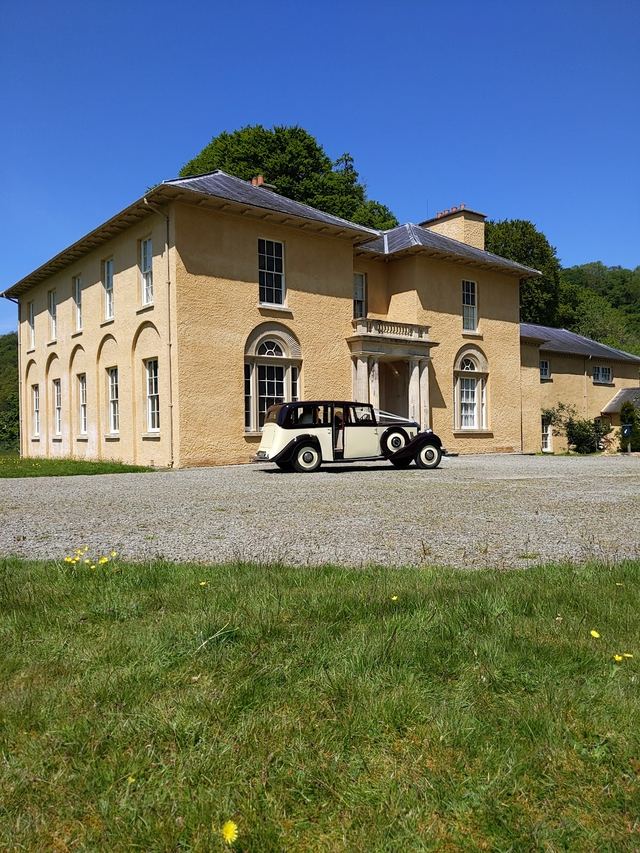
Llanerchaeron
John Nash's self-sufficient Welsh gentry estate of 1795, where the walled kitchen gardens still stand alongside the dairy, brewery and salting house. Veteran fruit trees around 200 years old, and produce still grown and sold on site.
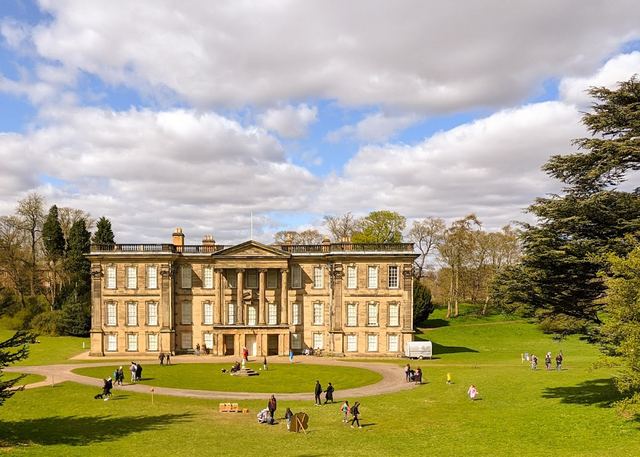
Calke Abbey
Walled gardens built in 1772-4 as a kitchen garden, physic garden, flower garden and slip, with an orangery of about 1777, a rare auricula theatre and a gardener's bothy. Repaired rather than restored, so the wear is left visible.
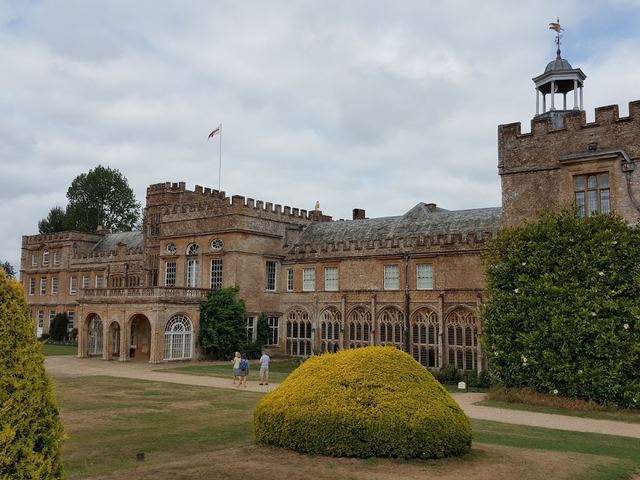
Forde Abbey
Around thirty acres of garden at a former Cistercian monastery, including a walled kitchen garden and glasshouses. Reviewers rate the gardens ahead of the house, which opens on fewer days.
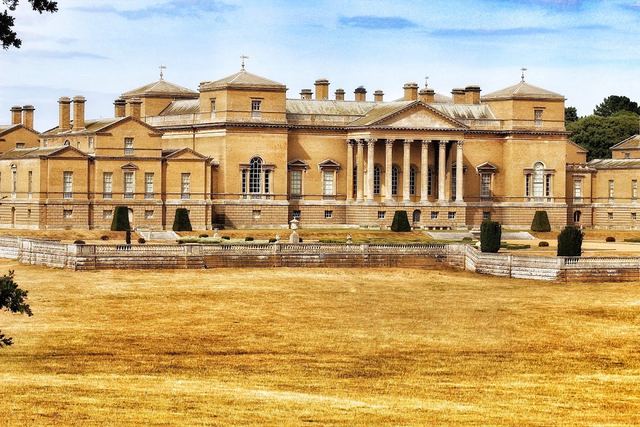
Holkham Hall
A six-acre walled garden laid out by Samuel Wyatt in the late 1700s, with glasshouses added on the north wall in 1872: peach house, Muscat house, fig house and vineries. Reviewers warn it is a long walk from the main car park.
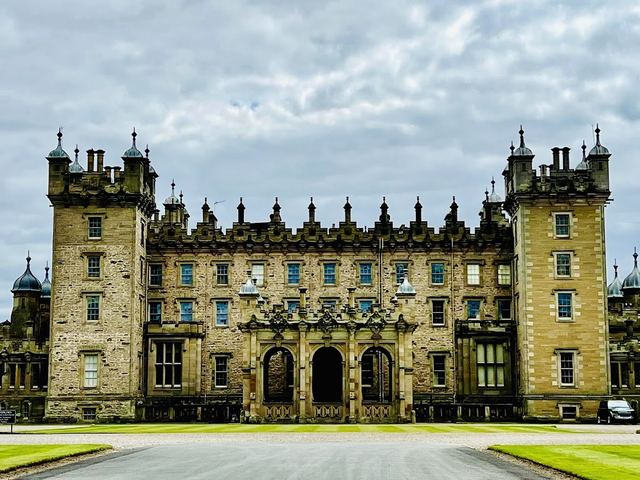
Floors Castle
Scotland's largest inhabited house, whose walled garden is what most visitors write about: flower borders, fruit and vegetables, and peaches still grown in the original glasshouse.
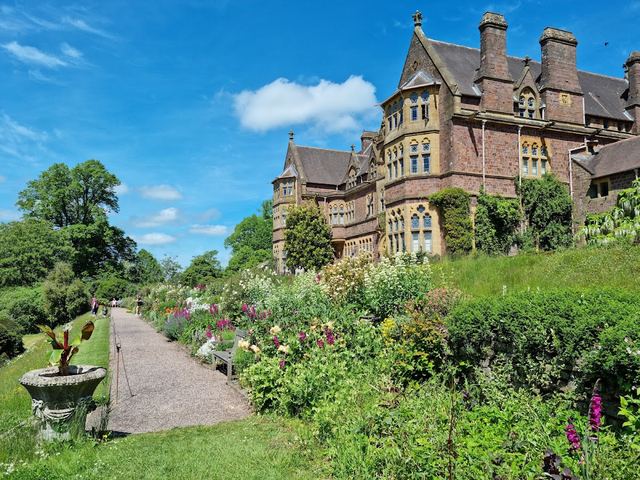
Knightshayes
A kitchen garden inside the walls at a Victorian Gothic house by William Burges, which repeat visitors rate alongside the formal gardens. Reviewers say house, walled garden and walks need a full day.
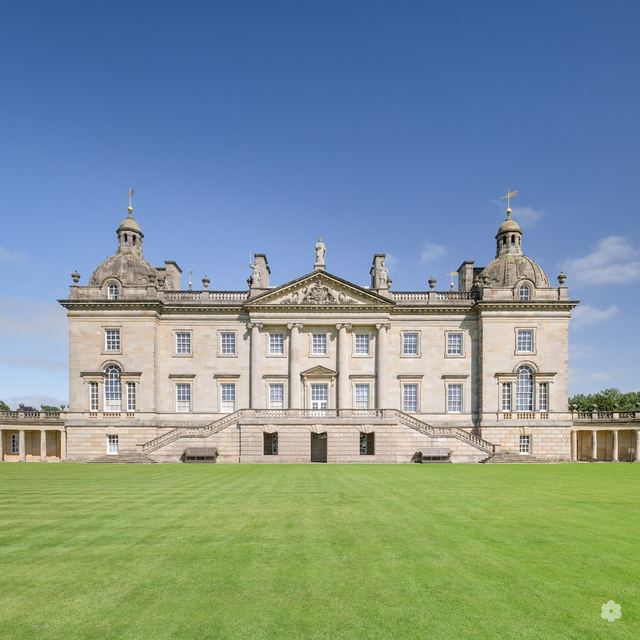
Houghton Hall
Five acres inside the old kitchen garden walls, remodelled from 1991 by the present Lord Cholmondeley in memory of his grandmother and opened in 1996. A kitchen garden of espaliered fruit and glasshouses survives among the ornamental rooms.
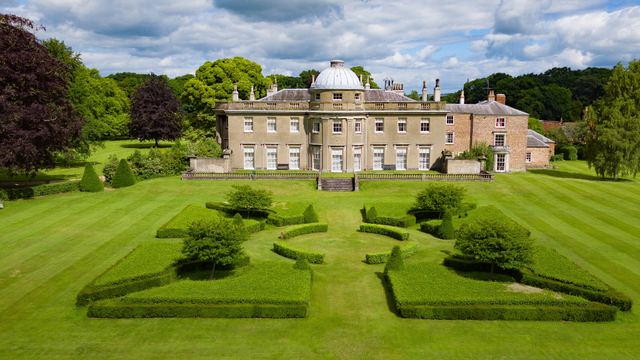
Scampston Hall
Four and a half acres inside 18th-century kitchen garden walls, derelict for close to fifty years before Piet Oudolf's design opened in 2005. Cut flower and vegetable gardens are still part of the layout.
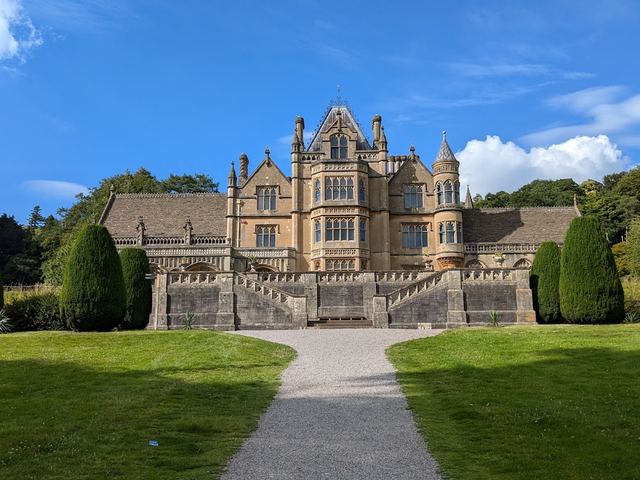
Tyntesfield
Working kitchen gardens on a Victorian Gothic estate the National Trust bought in 2002, with waymarked walks through the wider grounds and an electric vehicle service for visitors with limited mobility.