Guide No. 21 · The Stately Homes
Below Stairs: How a Country House Was Staffed
Two households lived under one roof, with a baize-lined door between them. One side is the part everybody photographs. The other side carried the water, laid the fires and cooked the meals, and in most houses its names went unrecorded.
A country house ran on two separate staffs. The indoor servants worked and usually slept inside the building, in a service wing designed to keep them out of sight: a house steward or butler, a housekeeper, a cook, valets and lady's maids, footmen, housemaids, kitchen and scullery maids, and a hall boy at the bottom of it. The outdoor staff, meaning gardeners, grooms, coachmen, gamekeepers and estate workers, were hired and paid separately and rarely came in. The indoor hierarchy was strict, written into household rules, and enforced at mealtimes as firmly as at work.
Visit almost any house on this list and you walk through both halves in one ticket. The second half is often the better preserved, because it was rarely thought worth modernising.
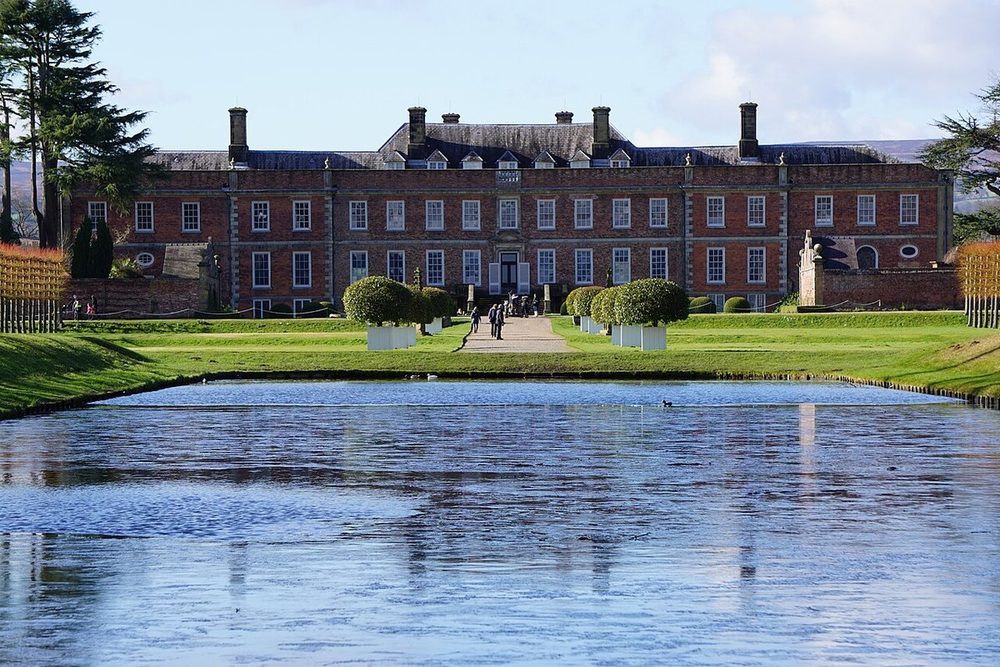
One roof, two houses
The dividing line usually had a door in it, and the door was lined with green baize. The cloth muffled the sound of it opening and closing, and kept kitchen noise and kitchen smells on their own side. Beyond it the house was a working building: kitchen, scullery, larders, a still room for preserves and cordials, a dairy, a laundry, a brewhouse in older houses, the butler's pantry with the plate safe in it, the housekeeper's room, the servants' hall, and staff bedrooms in the attics or over the stables.
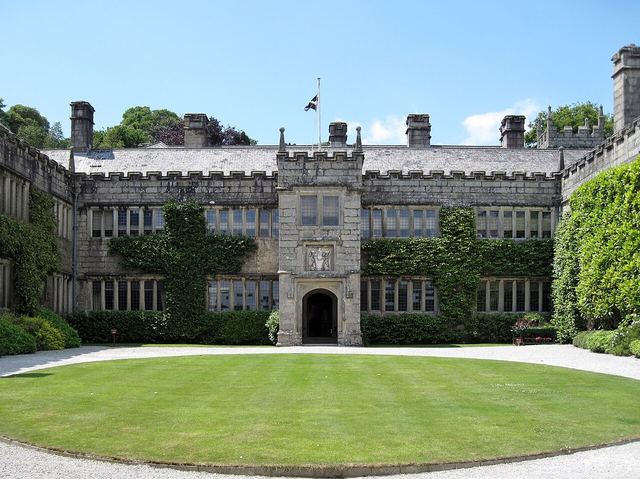
Lanhydrock in Cornwall is the clearest example open to visitors. The fire of 1881 destroyed most of the house and the Robartes family rebuilt it with a full Victorian service wing, and more than fifty rooms are open today with a good many of them working ones: kitchen, sculleries, larders, a dairy with cool slate and marble surfaces, and the bedrooms of the people who used them. Walking it in order gives you the sequence a joint of meat actually travelled, which no amount of reading does.
The order of precedence
In the biggest households the senior figure was the house steward. He kept the accounts, hired and dismissed staff, and dealt with the owner directly. Many houses had none, and there the butler was the senior man and the housekeeper the senior woman. The butler held the cellar keys, the plate and the dining room, with the footmen under him. The housekeeper held the stores, the linen and the china, with the housemaids under her. The cook ran the kitchen as a separate department, and a valet or a lady's maid served one person and took their standing in the house from whoever that was.
Rank was visible at dinner. The upper servants commonly ate apart from the rest, in the steward's room or in the housekeeper's room, which a number of houses knew as the Pug's Parlour. The housekeeper and the cook were addressed as "Mrs" whether or not they had ever married. At the other end of the table sat the hall boy and the scullery maid, often twelve or fourteen years old, doing the work the rest of the hall passed down.
How many people it took
It depended entirely on the house, and a headcount borrowed from one estate tells you little about the next. Figures are worth quoting only where a house or a census records them. Manderston in the Scottish Borders is one that does: Sir James Miller had it rebuilt between 1901 and 1903 by John Kinross, telling his architect the cost did not matter, and the old stable block on the west side was converted into servants' and service rooms. The estate's own account puts twenty or more staff living below stairs.
Nationally the picture is firmer. The 1891 census of England and Wales returned 1,444,694 indoor domestic servants, 58,527 of them men and 1,386,167 women, which made service the single largest occupation in the country and left women outnumbering men in it by roughly twenty-four to one. Very few of those people worked in a great house. Most were the one general servant kept by a middling household, and the country-house establishments that dominate the popular picture were the rare top of a very wide trade.
Scale also created jobs that make no sense at any smaller size. The BBC's Man Alive team, filming in the surviving great houses in 1979, found a silver steward whose cleaning of the household's thousand-odd pieces of silver took eighteen months to complete, at which point he began again.
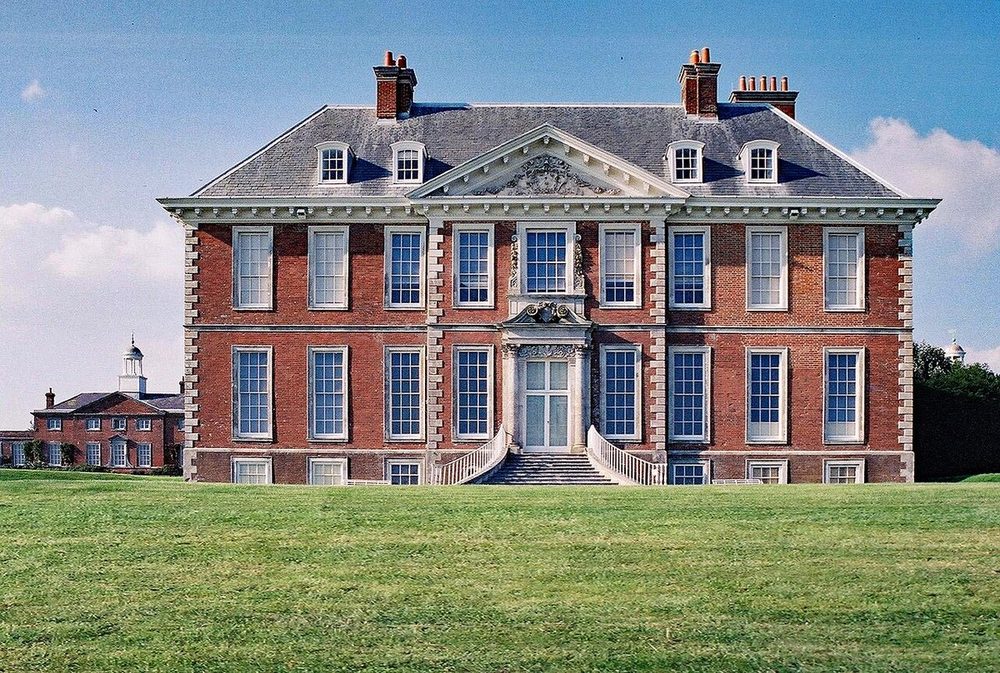
Built so that you would not see them
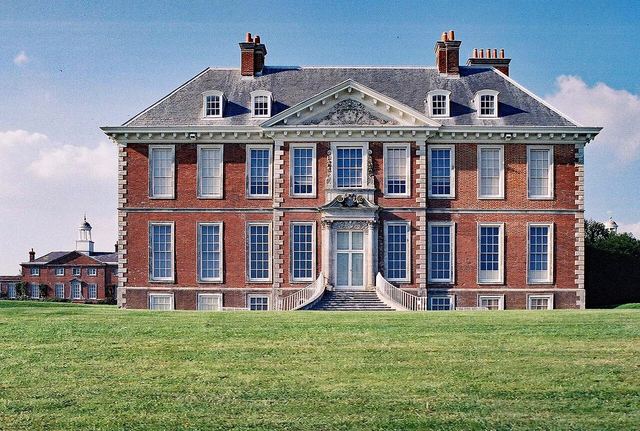
Georgian and Victorian planning worked hard to keep the two households from meeting. Back stairs, service corridors and separate courtyards kept staff off the main routes, and a bell board in the passage told them where to go without anyone raising a voice. Uppark took it further than most: the 19th-century kitchen and stable buildings were put up as separate blocks and linked to the house underground, so the staff crossing between them were neither seen nor heard. H. G. Wells lived at Uppark while his mother Sarah was housekeeper there, from 1880 to 1893, and the tunnels are widely suggested as one source for the underground world of the Morlocks in The Time Machine.
Erddig, where the names survive
Erddig near Wrexham is the exception that shows what is missing everywhere else. In 1791 Philip Yorke I commissioned the Denbighshire painter John Walters to portray six of the household staff, and his descendants kept the habit up for well over a century, replacing paintings with photographs once photography arrived and writing a verse to go with each one. Ten of the portraits hang in the Servants' Hall today, in the room they were painted for.
Set that against a normal house, where the family is recorded in oils, marble and inventories and the staff appear, if at all, as a wage line and a surname in a census return. That imbalance follows from who paid. Portraits were commissioned by people who could afford them, of people they thought worth commissioning, and the service wing rarely qualified.
What ended it, and what did not
The usual story has the First World War emptying the servants' hall overnight. It did not. Service remained the largest single occupation for women in Britain well into the 1930s, and the depression years pushed some of them back into it. What broke was the specific country-house arrangement: a large resident indoor staff, paid little, housed in the attic, and available almost all the time. Once munitions work, factories, shops and offices were open to the same women at better wages and with their evenings to themselves, the supply of people willing to accept those terms dried up.
The demand side gave way at the same time. Agricultural rents fell, death duties took their share at each succession, and plumbing, electricity and gas quietly removed a great deal of the carrying, hauling and fire-laying that had justified the numbers. Houses that had run on thirty people ran on six, then on a couple who lived out. Some families sold up, some handed the house to the National Trust, and some, as our guide to why stately homes became hotels describes, turned the whole thing into a business. The service wing survived the change better than the state rooms did, because a kitchen that stopped being used was rarely torn out.
Quick answers
What does below stairs mean?
Below stairs is the service side of a country house: the kitchen, scullery, larders, still room, laundry, servants' hall, housekeeper's room, butler's pantry and staff bedrooms, together with the corridors and back stairs connecting them. In many houses these rooms were literally in a basement, and the boundary between the two halves of the building was often a door lined with green baize, which deadened the noise of it swinging.
What jobs did servants do in a country house?
Indoor staff were divided by department. The butler took charge of the plate, the cellar and the dining room, with footmen under him. The housekeeper ran the female side of the house, the linen, china and stores, with housemaids under her. The cook ran the kitchen with kitchen and scullery maids. A valet looked after one man and a lady's maid after one woman. Outdoor staff, meaning gardeners, grooms, coachmen, gamekeepers and estate workers, were employed and paid separately and rarely came into the house at all.
How many servants did a country house have?
It varied enormously, so a single figure taken from one estate tells you little about the next. Numbers are only reliable where a house or a census records them. Manderston in the Scottish Borders, rebuilt in 1901 to entertain on an Edwardian scale, is described by the estate as having had twenty or more servants living below stairs. Smaller houses on this list ran on a handful of people. What is measurable nationally is the total: the 1891 census of England and Wales returned 1,444,694 indoor domestic servants.
Who was the most senior servant in a country house?
In the largest households it was the house steward, who kept the accounts, hired and dismissed staff and answered directly to the owner. Most houses had no steward, and there the butler was the senior man and the housekeeper the senior woman, each running their own side of the staff. The upper servants often ate apart from the rest in the steward's room or the housekeeper's room, which was nicknamed the Pug's Parlour in a number of houses.
Why did domestic service in country houses end?
It did not end all at once, and service itself remained the largest single occupation for women in Britain well into the 1930s. What collapsed was the country-house version of it: a large resident indoor staff, on low wages, with very little time of their own. From 1914 onwards war work, factories, shops and clerical jobs offered better pay and far more freedom, while estate incomes fell and death duties bit. Piped water, electricity and gas then removed a great deal of the carrying and fire-laying the service wing had been built around.
Where to see below stairs for yourself
Ten houses on the list where the service side is open, well documented or both:
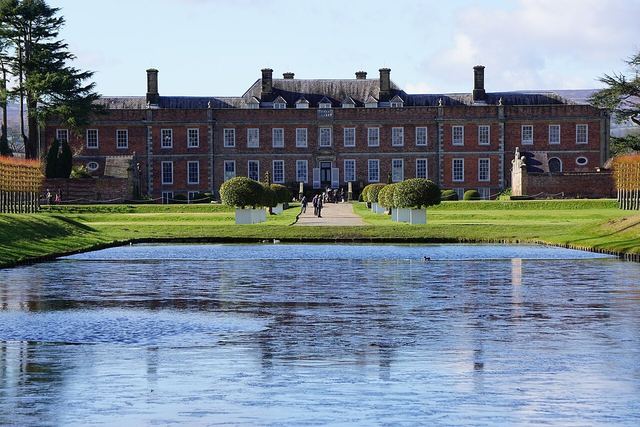
Erddig
The best record of domestic service in any British country house. From 1791 the Yorke family commissioned portraits of their staff, later photographs, each with a verse; ten hang in the Servants' Hall today.
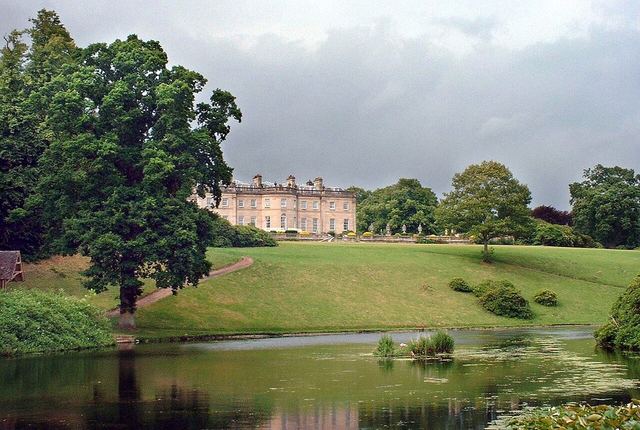
Manderston
Rebuilt in 1901-03 to entertain on an Edwardian scale, with the old stable block converted to servants' and service rooms. The estate describes twenty or more staff living below stairs, and the basement is largely as they left it.
Uppark
The 19th-century kitchen and stable ranges stand apart from the house and are joined to it by tunnels, so staff crossed the site underground. H. G. Wells lived here while his mother Sarah was housekeeper, from 1880 to 1893.
Lanhydrock
Rebuilt after the fire of 1881 with a full Victorian service wing, and more than fifty rooms open. The kitchen, sculleries, larders, dairy and staff bedrooms make it one of the most complete below-stairs runs anywhere.
Wimpole Estate
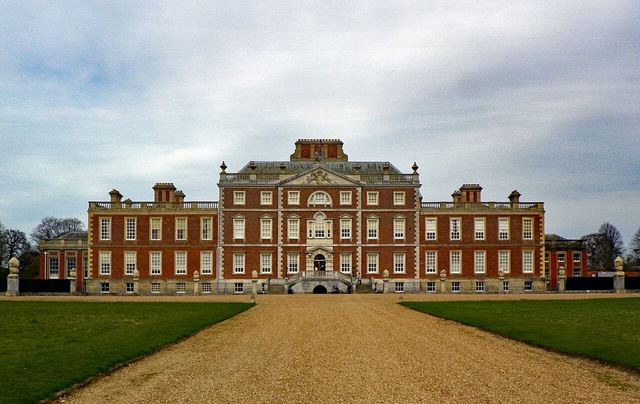
Cambridgeshire's largest country house, where reviewers single out the servants' quarters as one of the more atmospheric parts of the route round, and noticeably cooler than the rooms above.
Petworth House
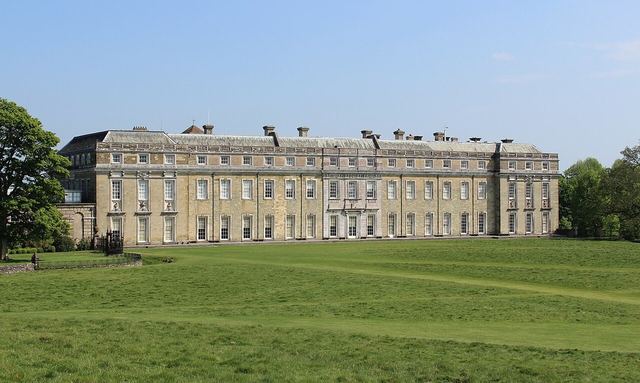
Best known for the National Trust's largest painting collection, and the servants' quarters are open alongside it, showing how the house was actually kept running day to day.
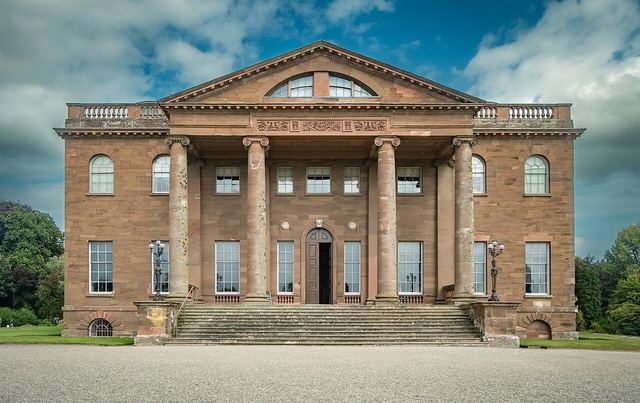
Berrington Hall
A Henry Holland house whose basement servants' work area was picked out by one visitor as an unexpectedly cosy highlight, in a house otherwise showing the marks of its owners' debts.
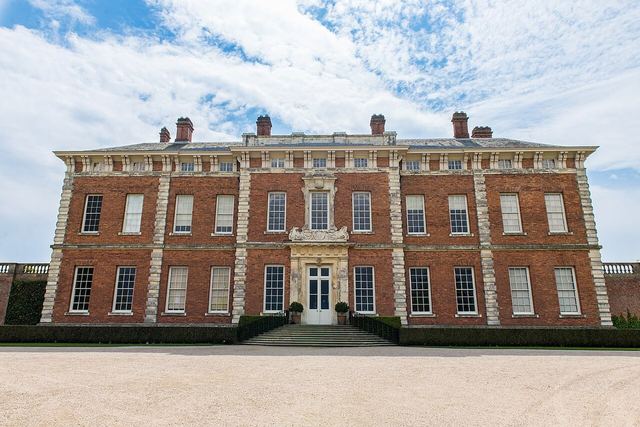
Beningbrough Hall
The laundry and the below-stairs domestic history get as much attention from visitors as the National Portrait Gallery loans upstairs.
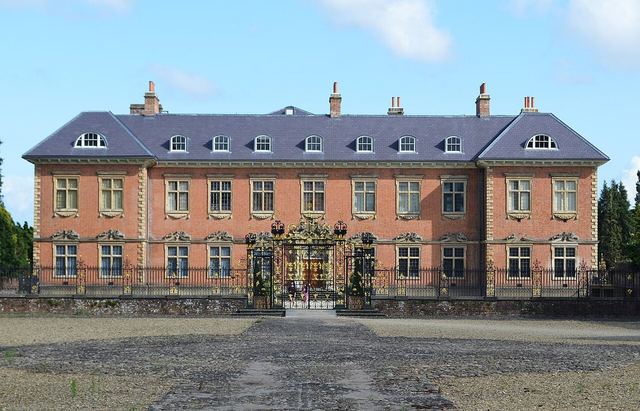
Tredegar House
The Morgan family's 17th-century red-brick mansion in Newport, where the ticketed route through the house covers the State Rooms and the below-stairs floor.
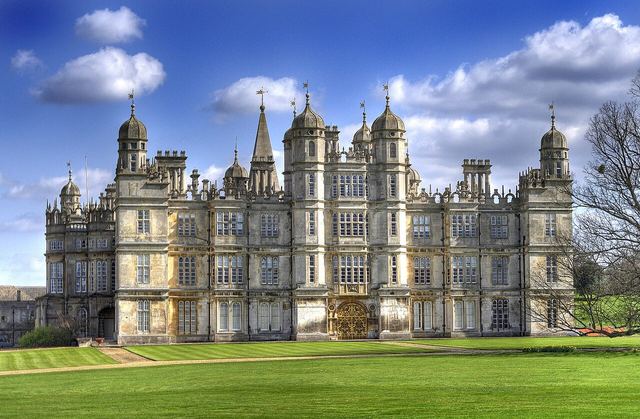
Burghley House
Reviewers name the Tudor kitchens in the same breath as the Heaven Room and the Hell Staircase, which is unusual: the service rooms rarely compete with the painted ones.