Guide No. 10 · The Stately Homes
Humphry Repton and the Red Books
A landowner opens a small red leather volume. On the right-hand page is a watercolour of the view from his own drawing room window, exactly as it is. He lifts a paper flap hinged along its edge, and the same view appears improved: the lake widened, the stables gone, the hill planted. This was how the man who followed Capability Brown sold a landscape.
A Red Book is the bound presentation volume Humphry Repton (1752-1818) produced for a client before any work began: his handwritten case for the changes he was proposing, illustrated with his own watercolours of the grounds as they stood, each carrying a hinged flap that lifted to show the same scene as he intended to leave it. Most were bound in red morocco leather, which is where the name comes from.
He is thought to have made around 400 of them, and more than a hundred survive - which means that for a large number of English parks we have not only the landscape but the pitch that sold it.
A failed farmer with a good hand
Repton did not grow up expecting to reshape the English park. He was born in Bury St Edmunds in 1752, tried the textile trade, and then took a lease on a modest place at Sustead in Norfolk from his neighbour William Windham of Felbrigg Hall. The farming lost money. Windham liked him anyway, encouraged his reading and, during a brief spell as Secretary to the Lord Lieutenant of Ireland, took him to Dublin as his confidential secretary. That did not last either.
What Repton did have was a genuine talent for sketching and a workable knowledge of laying out ground. In 1788, aged 36 and out of alternatives, he combined the two, printed cards, and declared himself a landscape gardener - a job title he effectively invented for the purpose. Capability Brown had been dead five years and nobody had replaced him. Repton's first commission was Catton Park near Norwich, in the same year. Historic England reckons the eventual total at around 400 schemes over 27 years.
The flap
The Red Book was the whole business model in one object. Its central device is disarmingly simple and still works on anyone who handles one: the existing view painted accurately, and the proposal painted on an overlay cut to the same outline, so that lifting it does not show you a plan or an elevation but replaces your own landscape with a better one, from the exact spot you would be standing.
Everything around that device is sales craft too. The volumes open with Repton's engraved trade card pasted inside the cover, showing him at work with his surveying equipment. The text flatters as it argues, treating the client as a collaborator with taste who has simply not yet noticed what his ground could be. And because the drawings are made from the windows and the approach rather than from the air, the client is never asked to imagine anything: he is shown the result, from where he already lives.
Advice, not earthworks
The other difference between Repton and Brown is commercial rather than aesthetic, and it explains a great deal. Brown was designer and contractor at once: he surveyed the ground, drew the park, then dug, dammed and planted it through his own foremen, which is why a Brown commission arrived finished. Repton sold advice. He came, he looked, he produced the Red Book, and then it was the client's business whether any of it happened.
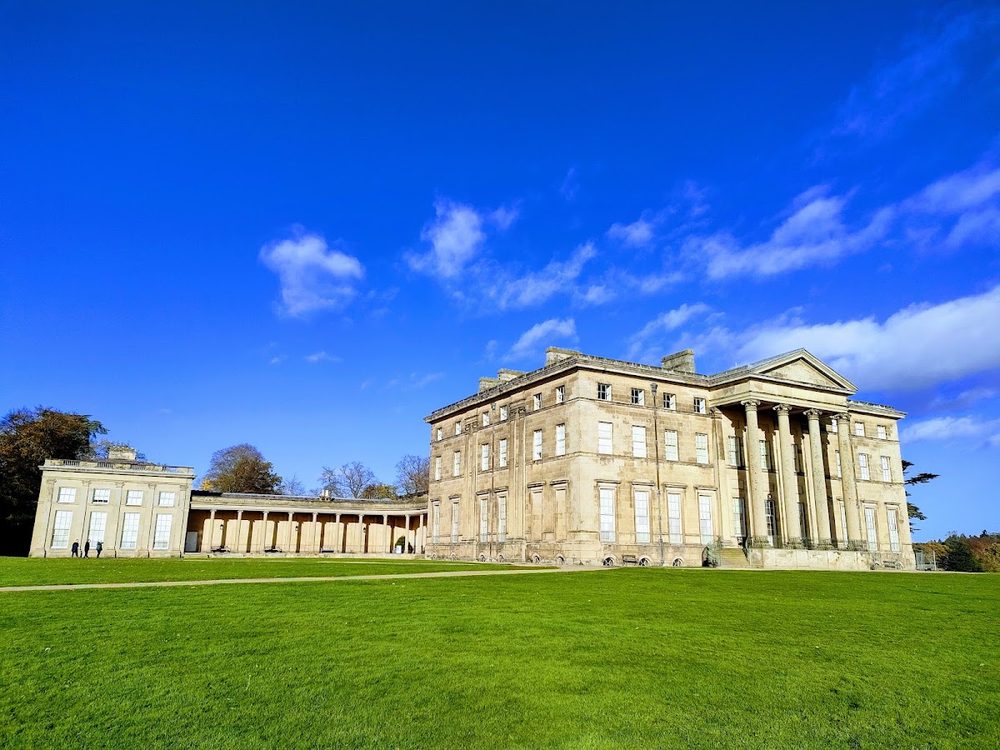
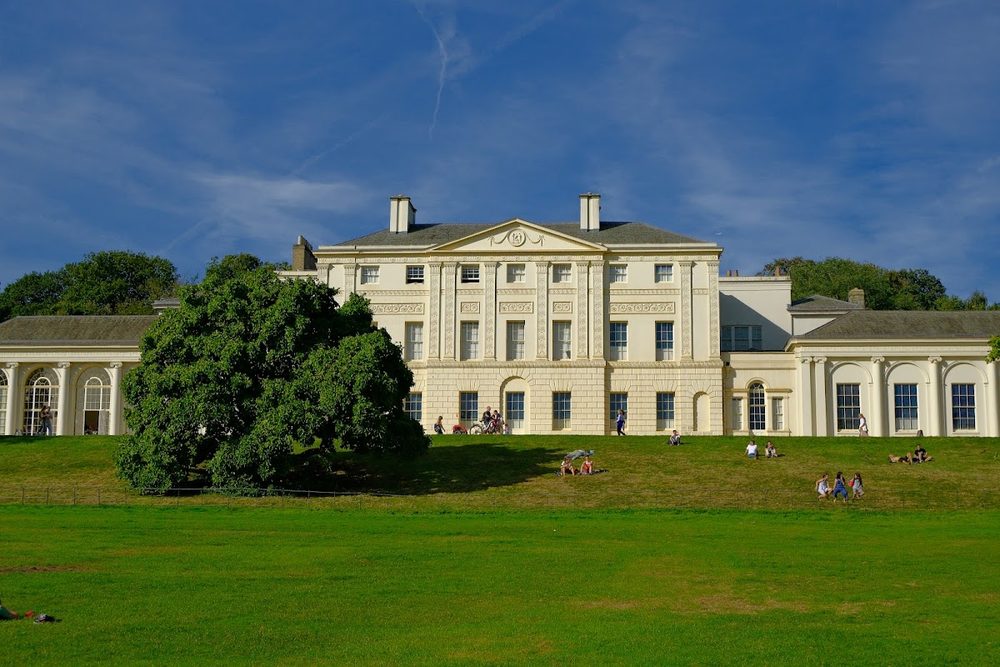
That is why so many Repton schemes were carried out in part or not at all, and why the surviving books are worth more than the usual archive. At Attingham Park in Shropshire, commissioned by the 2nd Lord Berwick in 1797, he proposed widening the River Tern, enlarging the park westward, breaking the shelter belts to let the Wrekin into the view - and also making Tern Bridge more monumental and putting a spire on Wroxeter church five kilometres away as an eyecatcher. The last two were quietly ignored. At Kenwood, where the 2nd Earl of Mansfield hired him in 1793 after admiring his work at Bulstrode, the new approach drive, the flower garden west of the house and the planting that screens Kentish Town all happened; his recommendation to remove the sham bridge, which he thought beneath the dignity of the place, did not.
Where the pitch landed
The commissions on this list span most of his working life and most of Britain. Antony House in Cornwall got a Red Book in 1792 for Reginald Pole Carew, laying out grounds that sweep down to the River Lynher; the Carew Pole family are still there. Tatton Park in Cheshire followed his visit late in 1791, and the sequence of house, terrace and park a visitor walks today is substantially his thinking. Plas Newydd on the Menai Strait came in 1798-99, where he complained about clearances the owner had already made and proposed screening the newly built Gothick stables.
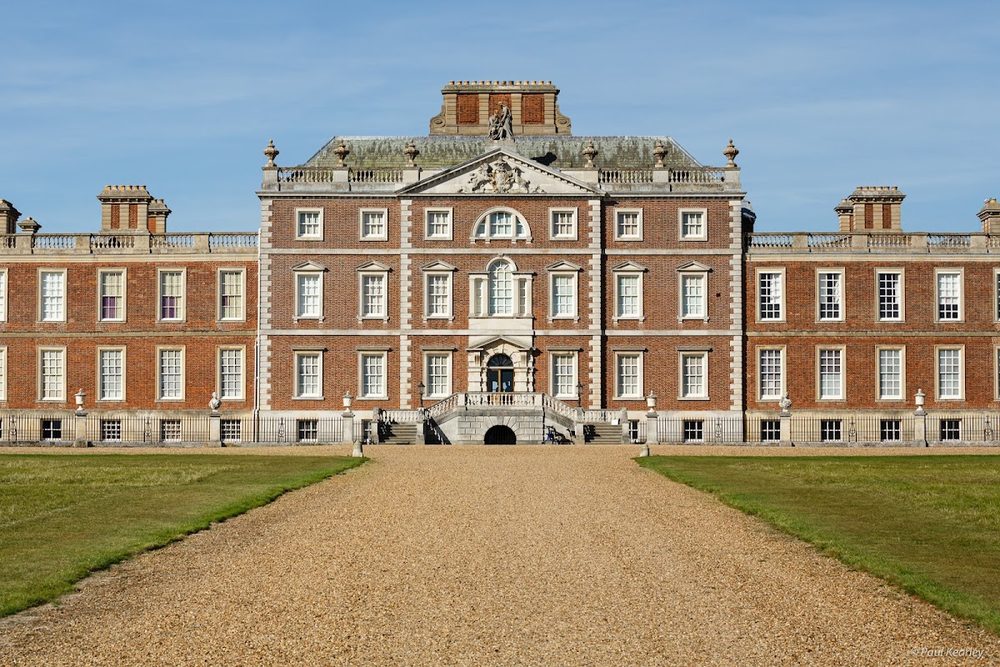
Wimpole in Cambridgeshire, in 1801, is the one garden historians single out, because it is where Repton stopped hedging: the Red Book he gave the 3rd Earl of Hardwicke proposes a frankly formal flower garden on the north side of the house, the sort of thing the previous generation had spent forty years ripping out. Uppark in West Sussex shows how long a commission could take to ripen - he first visited in 1793, the Red Book is dated 1810, and the entrance moved to the north front with its Portland stone portico in 1812-13. And at Corsham Court in Wiltshire he took on ground Brown had already worked, from 1796.
The argument he walked into
Repton inherited Brown's clients and, immediately, Brown's critics. Richard Payne Knight and Uvedale Price were then attacking the smooth serpentine park as bland and artificial, and in 1794 Repton put himself on Brown's side of the quarrel, defending the practicality of what Brown had done. Knight returned the favour by picking on Repton's own Tatton Red Book, which he said displayed the owner's "wealth in land, and poverty in mind". It is a good line, and it stung.
What Repton then did was more interesting than winning the argument. Over the following decade his schemes drifted toward what his critics had been asking for and his predecessor's admirers had banned: terraces, balustrades, trellis and flower beds close to the house, a deliberate re-drawing of the line between building and park that Brown had spent a career erasing. The Wimpole Red Book is usually read as the moment that shift became explicit.
What survives
The books have not stayed with their landscapes. The National Trust holds the Wimpole volume; the Morgan Library and Museum in New York holds several, including the 1800 Red Book for Hatchlands Park in Surrey. The Corsham book is lost, known only through passages quoted elsewhere, and at Plas Newydd the text survives without its drawings. That scattering is part of why any surviving flap still feels like a small event.
Repton's own last years were hard. A carriage accident in November 1811 left him needing a wheelchair, and his partnership with the architect John Nash had already ended badly, not least when Nash took the Royal Pavilion commission that Repton had proposed. He died in March 1818 and was buried at Aylsham in Norfolk, under an epitaph he wrote himself, asking that his dust should mould and blend into the earth and give form and colour to the rose. His grave is railed, and planted with them.
Quick answers
Who was Humphry Repton?
Humphry Repton (born 21 April 1752 in Bury St Edmunds, died 24 March 1818) was the leading English landscape gardener of the generation after Capability Brown, who had died in 1783. He set up in the business in 1788 at the age of 36, having failed at farming and several other trades first, and gave himself the job title 'landscape gardener'. Historic England puts his output at around 400 schemes across a 27-year career.
What is a Repton Red Book?
A Red Book is the bound presentation volume Repton produced for a client to sell a scheme before any earth was moved. Most were bound in red morocco leather, which is where the name comes from. Inside were his handwritten arguments for the changes he proposed, illustrated with his own watercolours of the client's grounds as they actually were, with the proposed version painted on a hinged flap that lifted to replace the view.
How is Repton different from Capability Brown?
Mostly in how he worked rather than what he liked. Brown was designer and contractor at once, surveying the ground and then executing the whole job through his own foremen. Repton sold advice: he produced the design, presented it in a Red Book, and left the client to have it carried out or not. That is why so many Repton schemes were only partly executed, and why the Red Books matter so much - they often record a landscape that was never actually built.
How many Red Books still exist?
More than a hundred of the roughly 400 Repton is thought to have produced. They are scattered between the houses themselves, private owners and institutions: the Morgan Library and Museum in New York holds several, including the 1800 Red Book for Hatchlands Park in Surrey, and the National Trust holds the 1801 Red Book for Wimpole. Some are lost entirely, and at Plas Newydd on Anglesey only the text survives without the drawings.
Which Repton landscapes can you visit?
A good number are open. Attingham Park in Shropshire is the clearest case, because the family went bankrupt after the work was done and no later designer overwrote it. Kenwood in London, Wimpole in Cambridgeshire, Uppark in West Sussex, Tatton Park in Cheshire, Antony in Cornwall, Plas Newydd on Anglesey, Hatchlands Park in Surrey and Corsham Court in Wiltshire are all on this list and all documented Repton commissions.
Where to see his work
Nine Repton commissions on the list, plus the Norfolk house belonging to the patron who kept him afloat before he found the job:
Attingham Park
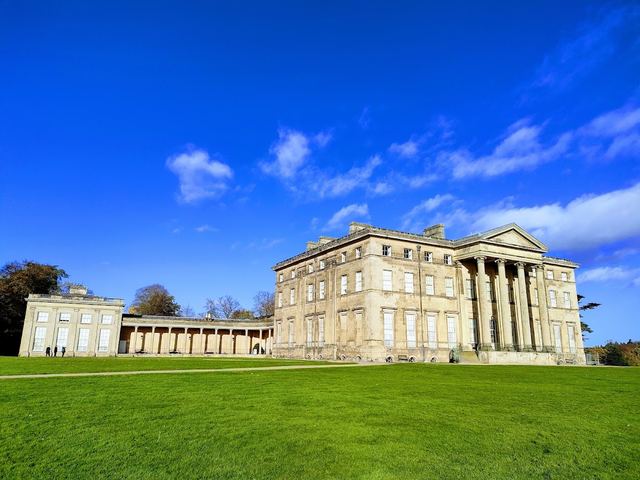
The clearest surviving Repton landscape on the list. He visited in April 1797 for the 2nd Lord Berwick and delivered the Red Book in 1798; the family's later bankruptcy meant no subsequent designer ever overwrote it.
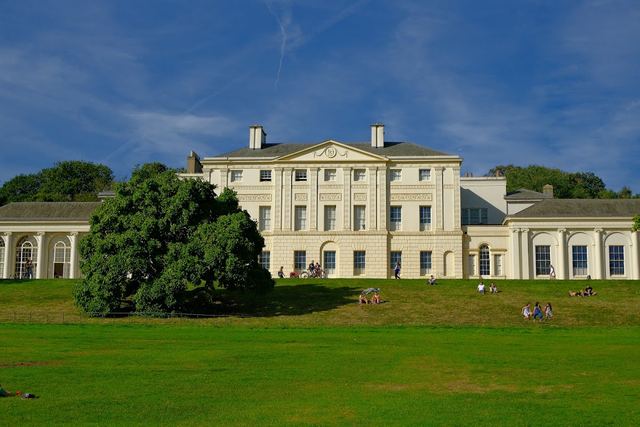
Kenwood
The 2nd Earl of Mansfield hired him in 1793 after seeing his work at Bulstrode. Repton wrote the first part of the Red Book in twelve days, and the sweeping approach and the screen planting toward Kentish Town were both built.
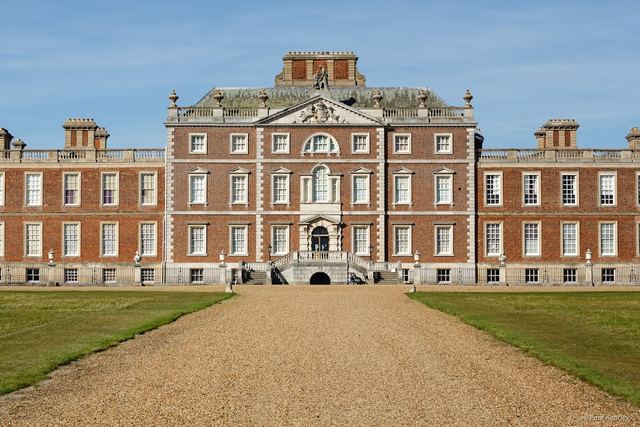
Wimpole Estate
The 1801 Red Book for the 3rd Earl of Hardwicke, still held by the National Trust - the volume in which Repton finally proposed an openly formal flower garden right beside the house.
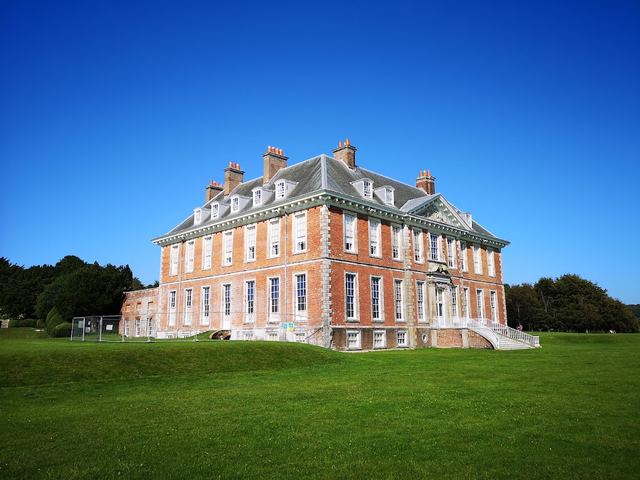
Uppark
He first came in 1793 but the Red Book waited until 1810. The main entrance was moved to the north front in 1812-13 and given its Portland stone portico.
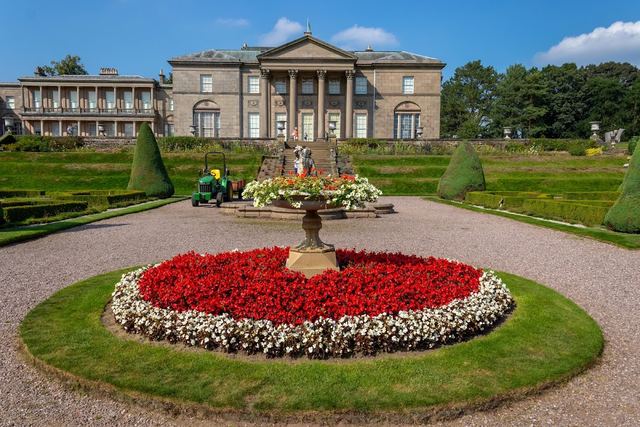
Tatton Park
Visited late in 1791. The transition from house to terrace to park is essentially his, along with the planting that hides the stables, kitchen garden and service courtyard from the windows.
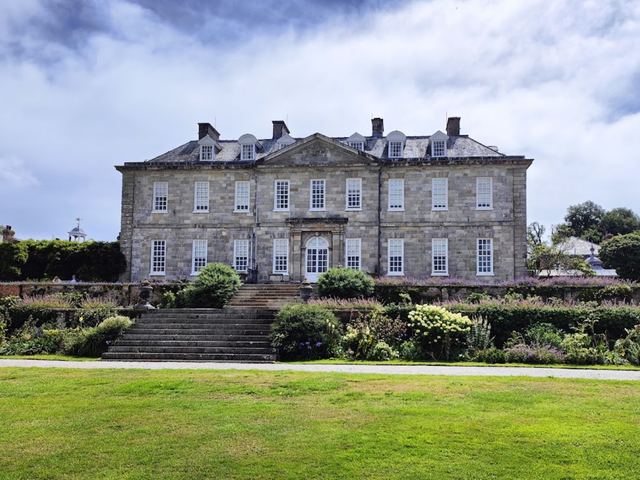
Antony House
A Red Book prepared for Reginald Pole Carew in 1792, for grounds running down to the River Lynher. Still the home of the Carew Pole family, more than two centuries later.
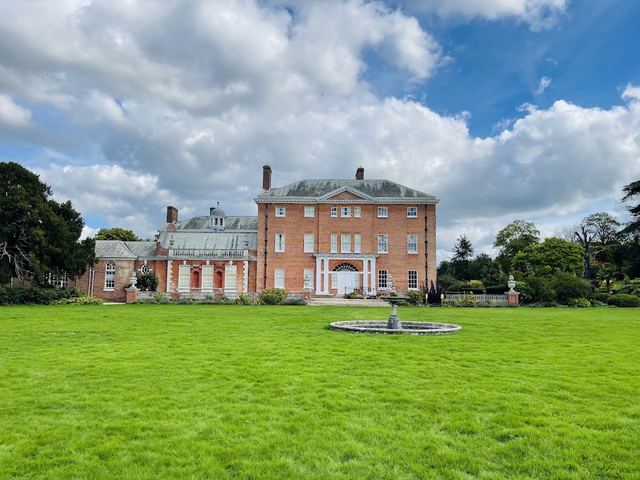
Hatchlands Park
The 1800 Red Book, made for William Brightwell Sumner, is now in the Morgan Library and Museum in New York, which has filmed its pages for anyone who wants to turn the flaps.
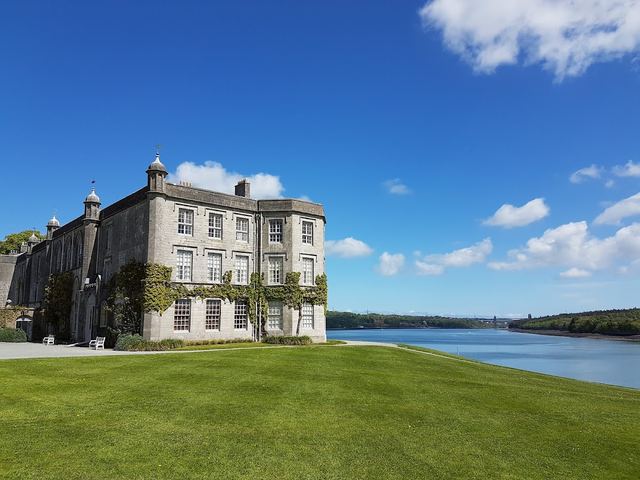
Plas Newydd
His 1798-99 commission on the Menai Strait, where he objected to woodland clearances already carried out and proposed screening the new Gothick stables. Only the text of this Red Book survives.
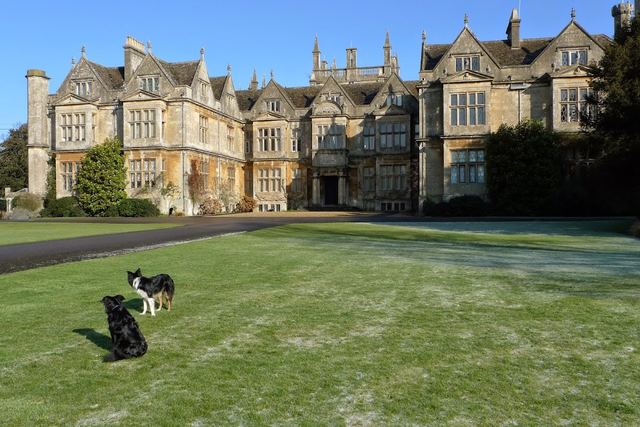
Corsham Court
Repton worked here from 1796, following Capability Brown onto the same ground twenty years later. The Red Book itself is lost, though passages from it survive quoted in other sources.
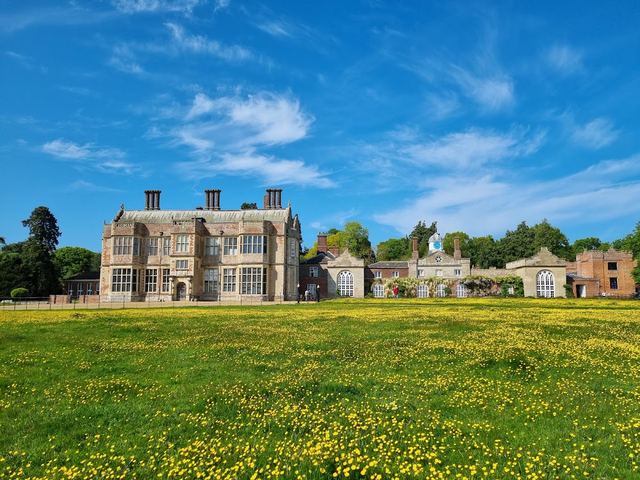
Felbrigg Hall
Not a Repton design but the reason there was one. William Windham of Felbrigg leased him nearby Sustead and took him to Dublin as his confidential secretary, years before Repton found the trade he was good at.