Guide No. 27 · The Stately Homes
What Is a Great Hall?
Before a country house had a dining room, a drawing room or a library, it had one room that did the work of all three: the great hall. This guide covers what it was for, how the screens passage and high table organised who ate where, and why the room shrank to a grand entrance once families wanted to eat in private.
A great hall is the large, high-ceilinged room at the centre of a medieval or Tudor house, where the whole household once ate together at long tables: the lord and his family, the servants, and often tenants and guests besides. It was entered at the low end through a screens passage, a narrow cross-passage cut off by a wooden screen, with doors behind it leading to the kitchen, buttery and pantry. At the opposite, high end stood the high table on a raised dais, where the lord's family and the most senior guests sat facing down the room at everyone else.
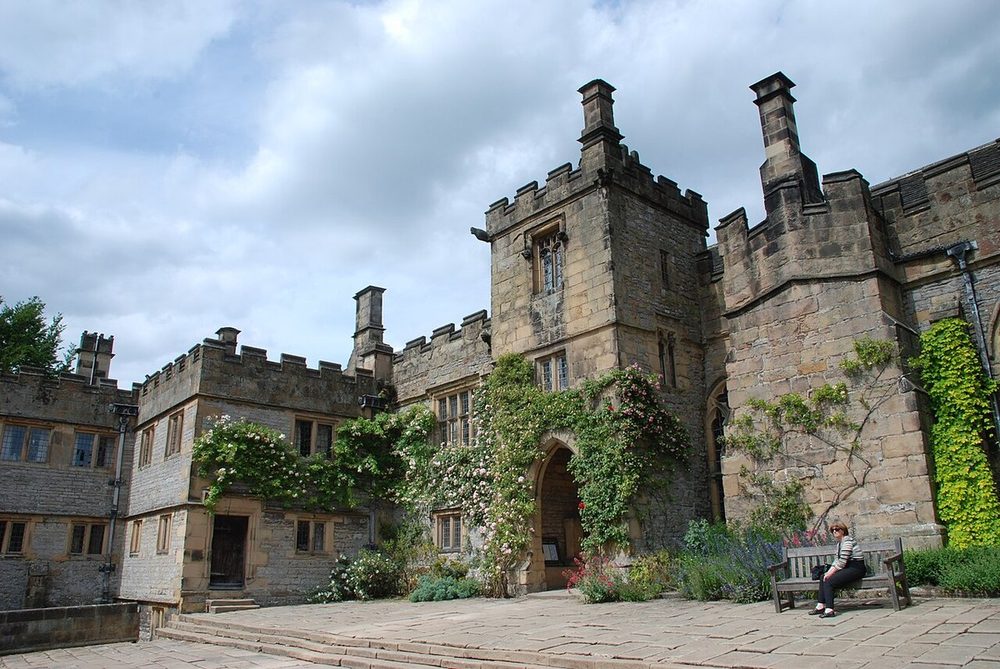
One room, one household, one meal
At Haddon Hall in Derbyshire, the banqueting hall is usually dated to around 1370, and it is often named as the most complete medieval house in England precisely because so little of this arrangement has been altered since. The screens passage still runs behind its carved timber screen, with a minstrels' gallery built over it, and an old oak table on three legs still stands on the dais at the high end. In a house like this, everyone from the lord's family down to the kitchen staff would originally have eaten in the same room, at the same time, at different tables set at different distances from the high table.
The screen itself did real work. It blocked draughts and the sight and smell of the kitchen from the hall, while letting servants move food through quickly, and the gallery above it was often used by musicians during a meal.
The screen that still moves
Rufford Old Hall in Lancashire has a great hall usually dated to the late 15th century, with a five-truss hammerbeam roof whose beams each end in a carved angel. Its carved wooden screen, dated to around 1530, is nominally still movable on its original rollers and is recorded as the only screen of its kind known to survive intact anywhere in England. Most screens like it were fixed in place centuries ago, or lost altogether, so a hall where the service side could genuinely be opened up or closed off at will is rare evidence for how flexible these rooms needed to be.
The video above, from the channel Go Visit Castles, is a walking tour of Haddon Hall that spends several minutes in the banqueting hall and screens passage described above. It has around 52,000 views since being published five years ago, on a channel with a little over 8,000 subscribers; we have not independently checked every claim made in it, so treat it as a visual tour rather than a primary source for any single fact in this guide.
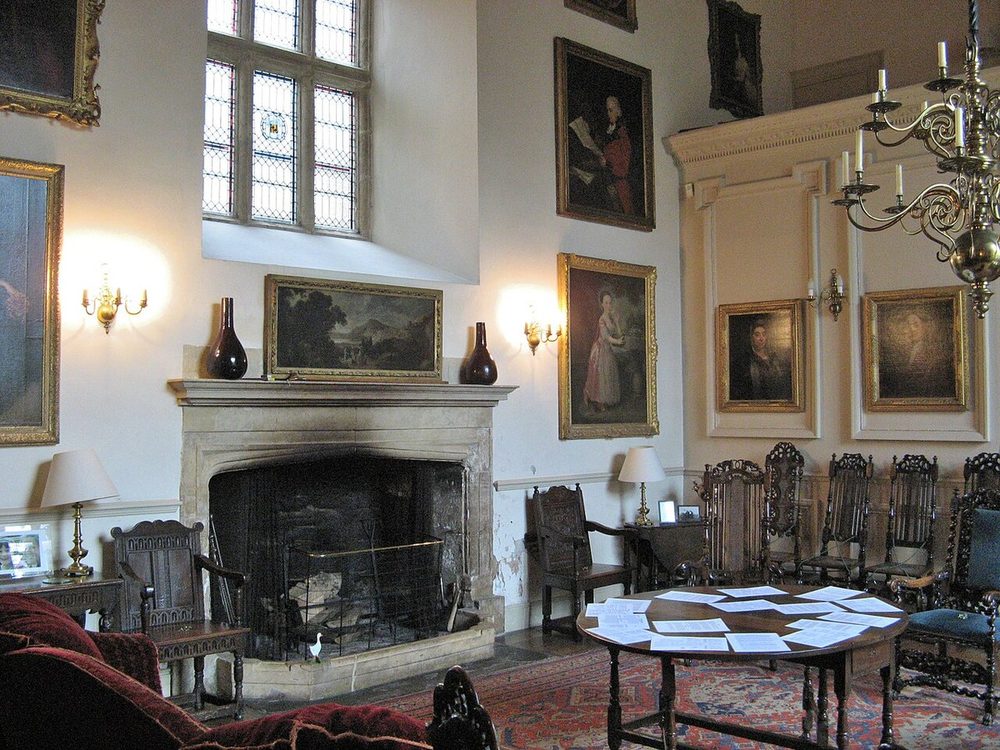
Older than the word "stately"
Clevedon Court in Somerset pushes the story back further still. Its great hall, screens passage, porches and chapel block all survive from a house built in the early 14th century by Sir John de Clevedon, who died in 1336, making it one of the oldest working halls on this list. The Elton family, who have owned the house since 1709 and still live there today, kept the hall in use long after most of their contemporaries had turned theirs into something else.
Little Moreton Hall in Cheshire shows the room changing even while it stayed a great hall. Its hall sits inside a timber-framed house that grew, lopsidedly, across the 15th and 16th centuries, and in 1559 the Moreton family inserted a new gallery floor at one end and added the two large bay windows that still look onto the courtyard. The room was being adapted even before the household gave it up.
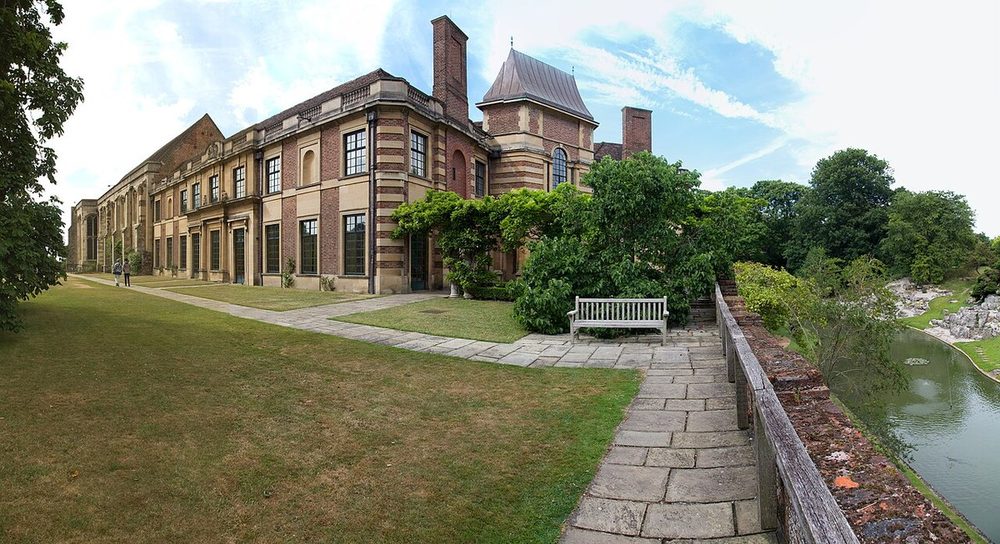
When the hall stopped being the whole house
By the Tudor period, families who could afford it increasingly wanted to eat apart from their own household, in a parlour or private chamber rather than at the high table in full view of everyone. The great hall did not usually disappear when that happened. It kept its place at the centre of the plan but changed its job, from the room where the family ate to the room guests arrived through, were received in, or passed on special occasions, while daily life moved to smaller, more private rooms beyond it.
Eltham Palace shows that shift in an unusually literal way. Edward IV's great hall there, built in the 1470s and roofed with what is usually ranked the third-largest hammerbeam roof in England, was the dining and reception hall of a royal palace. By the time Stephen and Virginia Courtauld built their Art Deco house onto the site in the 1930s, the hall had been empty for generations; they kept it standing and attached their new rooms directly to it; a medieval hall built for a king's household, with a 20th-century house joined on where the private rooms would once have grown up around it anyway.
Knole in Kent shows the same room kept working but dressed for a later age. Archbishop Thomas Bourchier built the core of the house between 1456 and 1486, and its great hall still stands at the centre of the plan, but in 1605 Thomas Sackville, 1st Earl of Dorset, had it remodelled and fitted with the carved screen still there today. The room's job had already moved on from Bourchier's time; Sackville's rebuilding dressed a working hall in the fashion of his own household rather than inventing a new one.
At Fawley Court in Oxfordshire, now run as an exclusive-hire venue rather than a day-ticket attraction, the Great Hall still gathers a household for a meal, just not a permanent one: it is where guests staying in the house's 13 bedrooms come together to eat, the closest thing on this list to the room's original purpose surviving by accident rather than by museum display.
Quick answers
What is a great hall in a stately home?
It is the large, open room that was once the centre of the whole house: the place where the lord, his family, his servants and often his tenants all ate at the same time. It is usually the oldest and tallest room in a medieval or Tudor house, entered at one end through a screens passage and closed at the other by a high table on a raised dais.
What is a screens passage?
A cross-passage at the lower end of the hall, cut off from the main room by a wooden screen with one or two doorways. It connected the hall to the kitchen, buttery and pantry beyond, so food and servants could move between them without crossing the open hall itself.
Why was the high table set on a dais?
Height marked rank. The lord, his family and the most important guests sat on a raised platform at the upper end of the hall, facing down the length of the room at everyone else. It let the household see who they were eating with, and let the lord see the whole hall from one seat.
When did families stop eating in the great hall?
Mostly across the 16th and 17th centuries. As families wanted more privacy, they began eating and sitting in a parlour or private chamber instead, and the hall was used less for daily meals and more for arriving, waiting and formal occasions. Several houses on this list still have a great hall used that way today, as the entrance guests walk through rather than the room they eat in.
Can you still see a medieval great hall today?
Yes. Several on this list survive largely intact, including the hall at Haddon Hall in Derbyshire and the hammerbeam-roofed hall at Rufford Old Hall in Lancashire. Others, like the hall at Eltham Palace, survive as one medieval room inside a house built around them centuries later.
Houses with a great hall worth seeing
Seven houses on the list where a great hall survives, from a largely untouched medieval room to one kept alive by a new use:
Haddon Hall
The banqueting hall dates from around 1370, with its screens passage, minstrels' gallery and a high table still on its dais. Often called the most complete medieval house in England.
Photo: Rob Bendall, Attribution, via Wikimedia Commons, cropped/resized
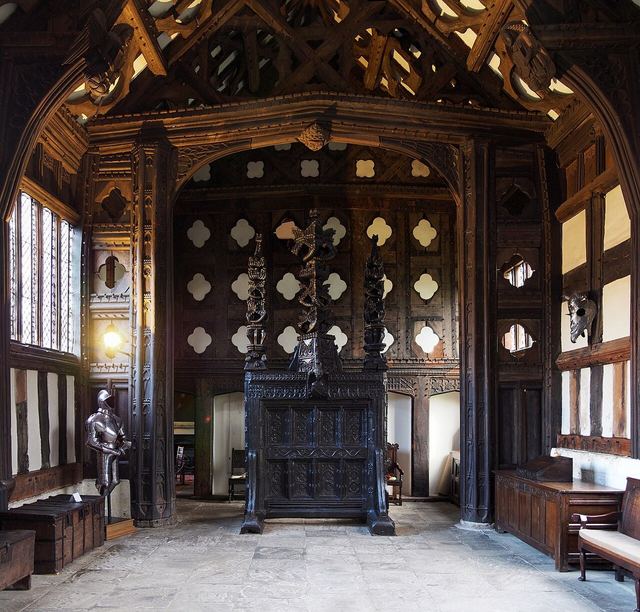
Rufford Old Hall
A late-15th-century hall with a five-truss hammerbeam roof, each beam ending in a carved angel, and a carved wooden screen that is the only movable one of its kind known to survive intact.
Photo: Francis Franklin, CC BY-SA 4.0, via Wikimedia Commons, cropped/resized
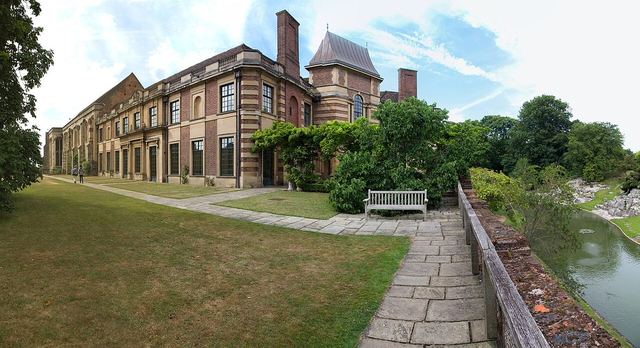
Eltham Palace
Edward IV's great hall of the 1470s, with the third-largest hammerbeam roof in England, survives as one room attached to the Courtaulds' 1930s Art Deco house.
Photo: Tom Parnell, CC BY-SA 2.0, via Wikimedia Commons, cropped/resized
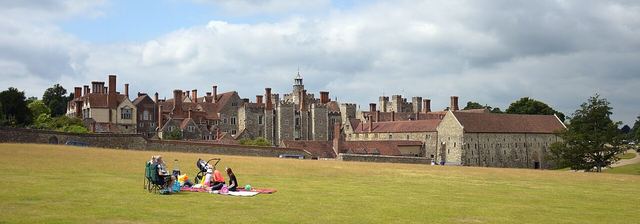
Knole
Archbishop Thomas Bourchier built the house between 1456 and 1486. Its great hall was remodelled in 1605 by Thomas Sackville, 1st Earl of Dorset, who added the carved screen still there today.
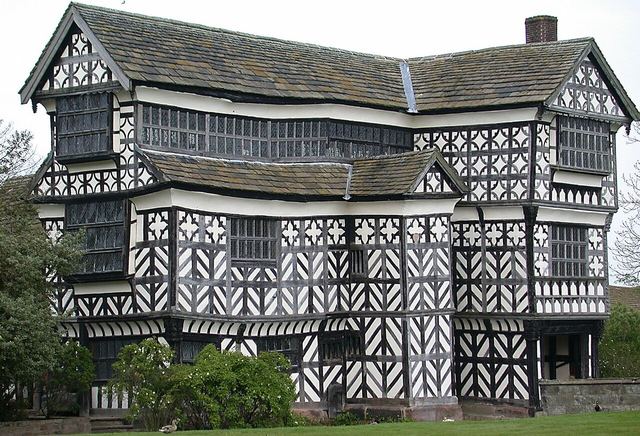
Little Moreton Hall
A timber-framed great hall at the heart of this lopsided Tudor house, with a gallery floor and the two big bay windows added in 1559.
Photo: Christine-Ann Martin, CC BY-SA 3.0, via Wikimedia Commons, cropped/resized
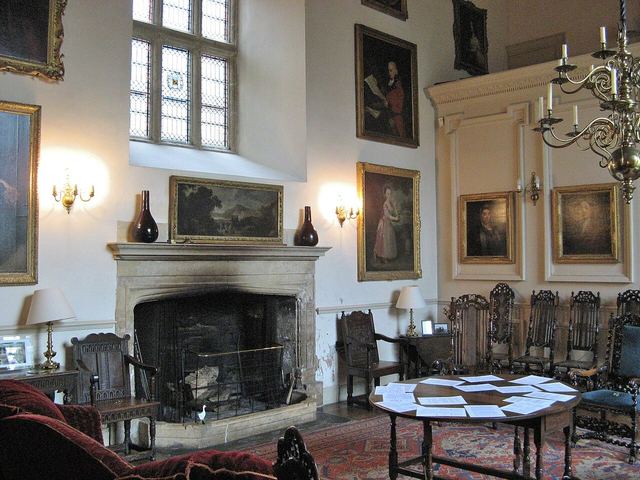
Clevedon Court
The great hall, its screens passage and the chapel beyond all survive from Sir John de Clevedon's early-14th-century house, one of the oldest continuously-run halls on this list.
Photo: Rwendland, CC BY-SA 4.0, via Wikimedia Commons, cropped/resized
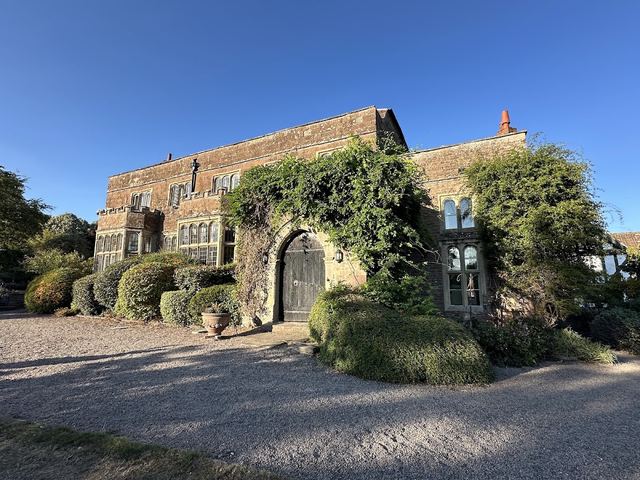
Fawley Court
A 17th-century house whose Great Hall is still used for its original purpose in a modern form, as the room where guests at this exclusive-hire venue gather and dine together.