Guide No. 23 · The Stately Homes
What Is a Folly?
A Roman temple beside an English lake, a ruined castle that was built new, a tower on a hill that was never a home. They look useless because most of them were meant to be. The reasons they were built are more practical than that suggests.
A folly is a building put up in a garden or park mainly to be looked at rather than used. The common forms are classical temples, towers, obelisks, grottoes and sham ruins made to look centuries older than they were. Most British follies date from the 18th and early 19th centuries, when landowners were turning their parks into landscapes designed to be walked through and seen from particular points.
The word comes from the French folie, which means madness but was also used for a favourite house or a place of pleasure. The people who built them tended to use more specific names. Stowe has a Temple of British Worthies and Stourhead has a Temple of Apollo, and neither owner would have described them as follies.
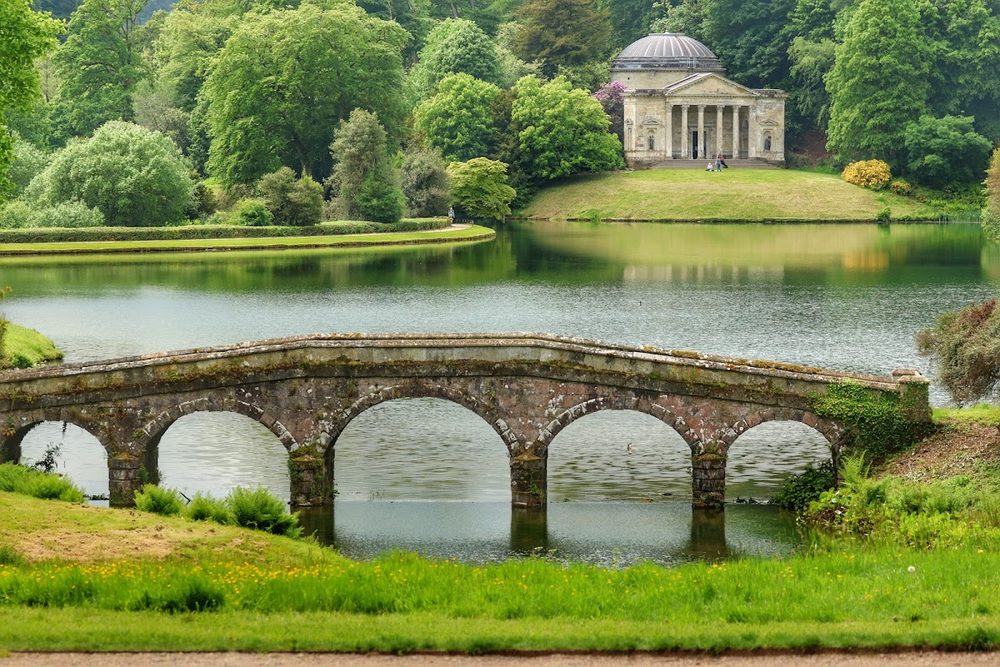
A garden you walk through like a picture
The folly belongs to the landscape garden, and it only makes sense once you know how those gardens were used. A visitor was meant to follow a set route, and at each turn a building would appear across water or at the end of a vista, framed by trees. The building gave the view a point to look at and a destination to walk to.
Stourhead is the clearest example still standing. Henry Hoare II laid out a circuit round a lake, beginning with the Temple of Flora, designed by Henry Flitcroft in 1744. The Pantheon followed in 1753 to 1754, and Flitcroft's circular Temple of Apollo in 1765. Hoare also built Alfred's Tower between 1769 and 1772 on the edge of the estate, to mark the end of the Seven Years' War and the accession of George III. Men who had seen Italy on the Grand Tour recognised the classical references immediately, which is part of why owners wanted them. Our guide to the Grand Tour covers where that taste came from.
Buildings that made an argument
Some follies carried a message the owner's guests were expected to read. At Stowe, Viscount Cobham was a Whig who had broken with Sir Robert Walpole's government, and his garden says so. William Kent's Temple of British Worthies, built around 1735, holds sixteen busts: poets, philosophers and scientists on one side, monarchs, statesmen and soldiers on the other. James Gibbs's Gothic Temple of 1741 was dedicated to the liberty of Cobham's ancestors. Gothic was chosen on purpose, because Cobham's circle linked it with older English freedoms.
At Shugborough the buildings are about the family's travels and learning instead. The Chinese House of about 1747 was based on sketches of garden buildings in Canton made during Admiral George Anson's voyage round the world. The Tower of the Winds, designed by James "Athenian" Stuart and finished around 1765, copies an ancient building in Athens and helped make Shugborough an early centre of the Greek Revival.
Sham ruins and Sanderson Miller
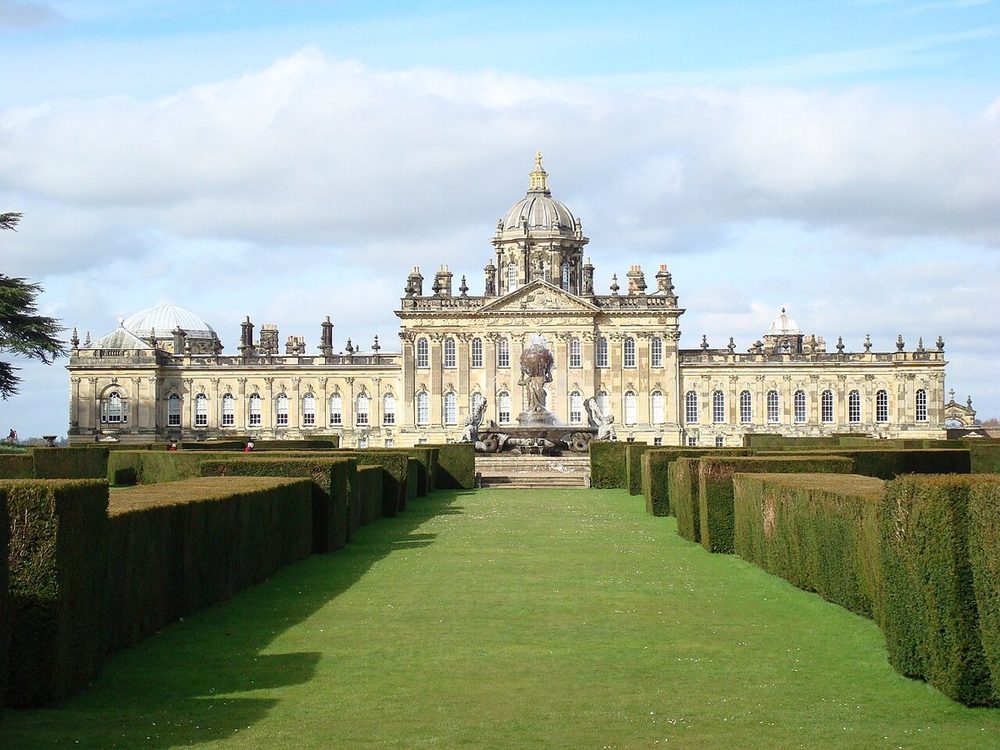
In the 1740s a new fashion arrived: the ruin built from scratch. A broken castle on a hill suggested that the family and its land went back to the Middle Ages, even when the fortune was recent. The gentleman architect Sanderson Miller designed several of the best. At Hagley Hall he built a ruined castle in 1747 to 1748 for George Lyttelton, with one complete corner tower and three left as stumps, reputedly reusing stone from the ruins of Halesowen Abbey. Horace Walpole wrote in 1753 that it had "the true rust of the Barons' Wars".
Miller drew a similar ruin for Lord Hardwicke at Wimpole in 1749. It waited almost twenty years, and was finally built in an amended form under Capability Brown between 1768 and 1772: a four-storey Gothic tower and a long run of broken wall, now listed at Grade II*. Brown worked follies like this into his parks as eyecatchers, which our guide to Capability Brown describes. Miller's hand also appears at Farnborough Hall, where the oval pavilion on William Holbech's terrace walk is thought to be his design.
The famine relief story, checked
Visitors are often told that a folly was built to give local people work during a bad winter. For a small number of buildings the evidence supports it. Conolly's Folly, an obelisk on stacked arches in County Kildare, was commissioned by Katherine Conolly in 1740 to employ the poor of Celbridge during the famine of 1740 to 1741. At West Wycombe, after three failed harvests between 1748 and 1750, Sir Francis Dashwood paid farm workers a shilling a day to dig chalk from the hill behind his house. The chalk went into a new road to High Wycombe, and the tunnels left behind are now the Hellfire Caves.
Two documented cases don't make it the general explanation. The same story is attached to follies across Britain and Ireland, and it's far easier to repeat than to confirm. It holds only where a building account, an estate record or a letter from the time says so. A plaque or a guidebook that repeats it isn't the same evidence, and for many follies the plainer reason is the one already described: the owner wanted something to look at and could afford it.
What to look for on a visit
Stand where the house's main windows look out and find the building at the end of the view. At Belton, Bellmount Tower sits on a hill at the end of an avenue, dated 1750 on its plaque and placed so the view from it runs straight back to the house. At Wallington, Rothley Castle was put on the skyline by Daniel Garrett for Sir Walter Calverley Blackett so it could be seen from the house. Then walk to the folly and turn round, because the view back was usually designed as carefully as the view out.
Follies are fragile, because a building with no daily use gets no daily care. The Folly Fellowship, founded in 1988, campaigns for the ones that are falling down, and Barbara Jones's book Follies and Grottoes, first published in 1953, is one of the standard surveys for anyone who wants to find more.
Quick answers
What is a folly?
A folly is a building put up in a garden or park mainly to be looked at, rather than to be used. The usual forms are classical temples, towers, obelisks, grottoes and sham ruins built to look centuries older than they were. Most British follies date from the 18th and early 19th centuries, when landowners were redesigning their parks as landscapes to be walked through and viewed.
Why is it called a folly?
The word comes from the French folie, which means madness but was also used for a favourite house or a place of delight. In English it came to suggest an extravagant building with no sensible purpose. The owners who built them tended to use more specific names, so Stowe has a Temple of British Worthies and Stourhead a Temple of Apollo rather than two follies.
Were follies built to give work to the poor?
Some were, and the evidence is good for a small number. Conolly's Folly in County Kildare was commissioned by Katherine Conolly in 1740 to employ local people during the famine of 1740 to 1741, and at West Wycombe Sir Francis Dashwood paid farm workers a shilling a day to dig chalk from the hillside after failed harvests between 1748 and 1750. The same explanation is now told about many other follies, and it only holds where a building account or a letter from the time records it.
What is a sham ruin?
A sham ruin is a new building designed to look like the broken remains of a castle, abbey or tower. It was built that way on purpose, often with a single complete tower and walls left jagged. The castle at Hagley Hall of 1747 to 1748 and the Gothic Tower at Wimpole, built between 1768 and 1772, are two of the best-known examples, and Sanderson Miller designed both.
Can you visit follies at stately homes?
Yes. Many of the best examples stand in parks that are open to visitors, including Stourhead, Stowe, Castle Howard, Wimpole, Shugborough and Farnborough Hall. Some are a long walk from the house and some sit on neighbouring land, so check the estate map before setting out. A few, such as the Gothic Temple at Stowe, can be rented as holiday lets.
Where to see one
Ten houses on the list with documented temples, towers or sham ruins in their parks, from Henry Hoare's temple circuit at Stourhead to a castle built as a ruin:
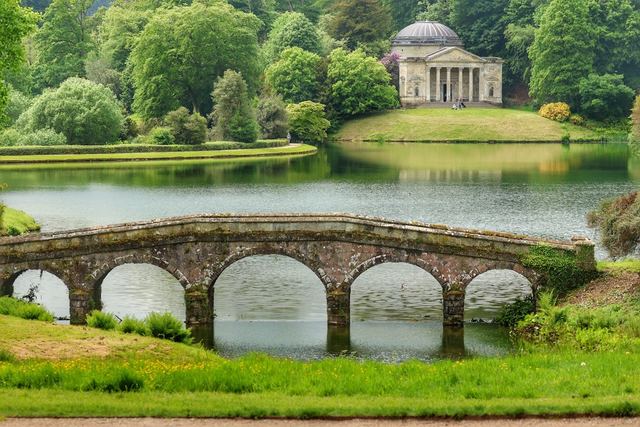
Stourhead
Henry Hoare II's circuit round the lake: the Temple of Flora of 1744, the Pantheon of 1753 to 1754, the Temple of Apollo of 1765, and Alfred's Tower, finished in 1772, out on the estate edge.
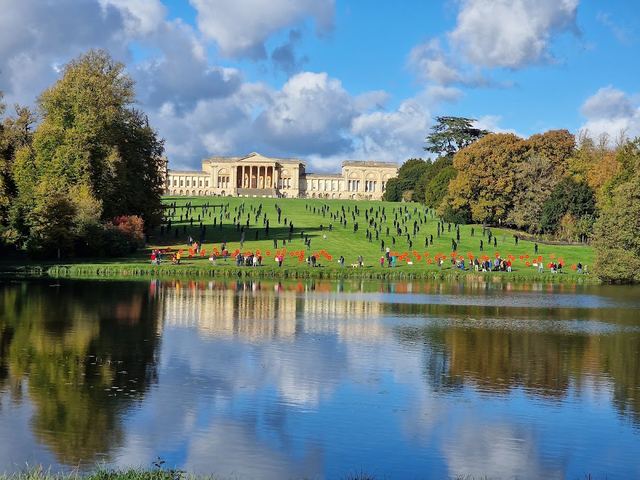
Stowe House
The Temple of British Worthies by William Kent, about 1735, and James Gibbs's Gothic Temple of 1741, dedicated by Lord Cobham to the liberty of his ancestors.
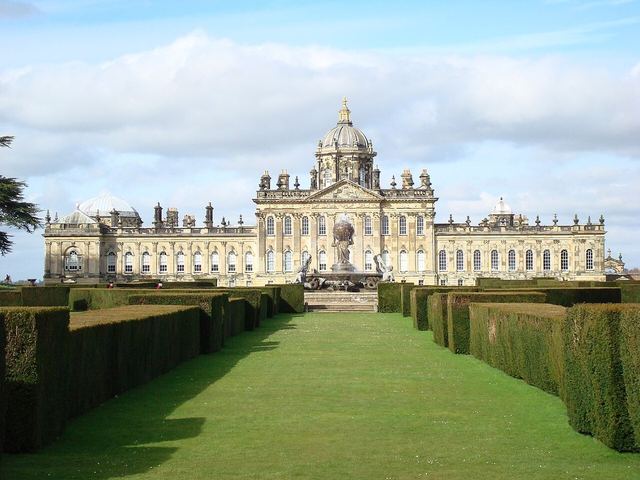
Castle Howard
Vanbrugh's Temple of the Four Winds, built from 1724 and finished after his death, facing Hawksmoor's Mausoleum across the park.
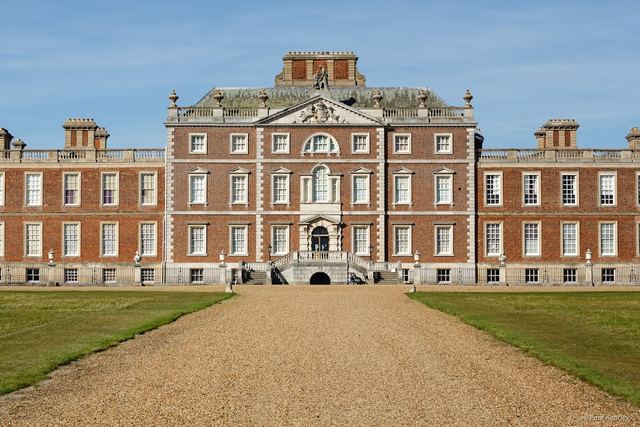
Wimpole Estate
A four-storey Gothic Tower and a run of ruined wall, designed by Sanderson Miller in 1749 and built under Capability Brown between 1768 and 1772. Listed at Grade II*.
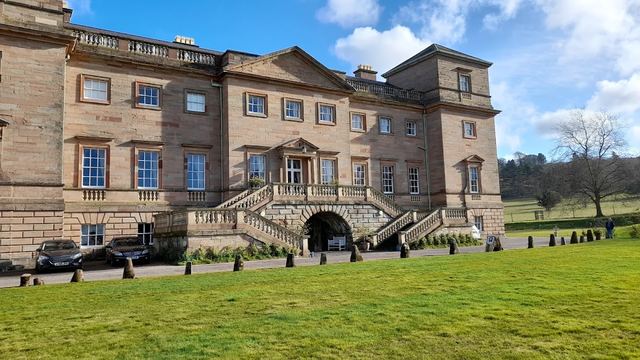
Hagley Hall
Sanderson Miller's ruined castle of 1747 to 1748, with one complete corner tower and three left as stumps. Horace Walpole said it had the true rust of the Barons' Wars.
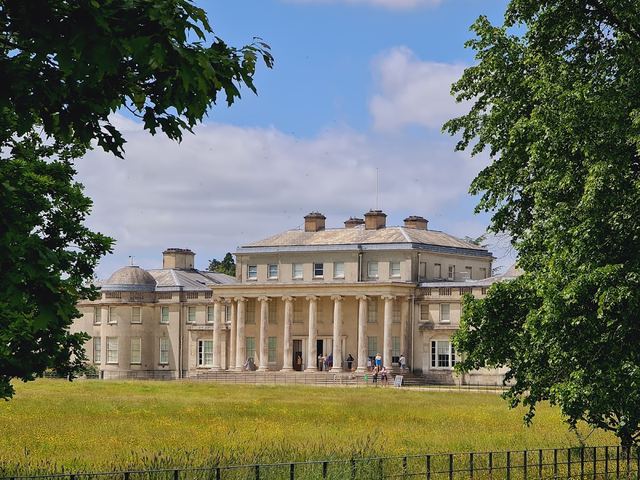
Shugborough Estate
The Chinese House of about 1747, based on sketches made in Canton on Admiral Anson's voyage, and James Stuart's Tower of the Winds of about 1765.
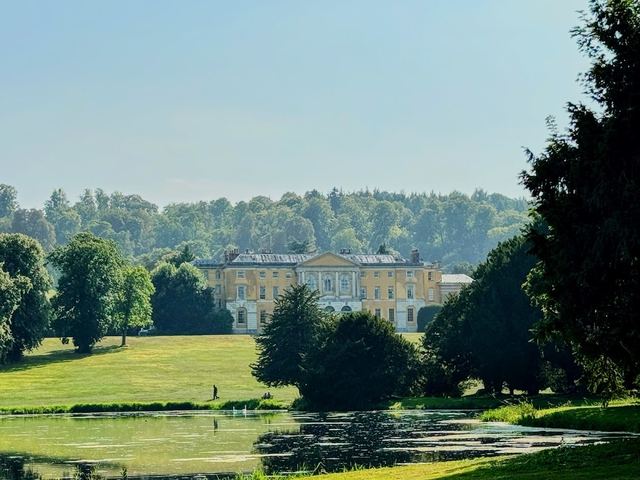
West Wycombe Park
Sir Francis Dashwood's park of temples and bridges round the lake. The chalk caves on the hill behind were dug between 1748 and 1752 by paid farm labourers.
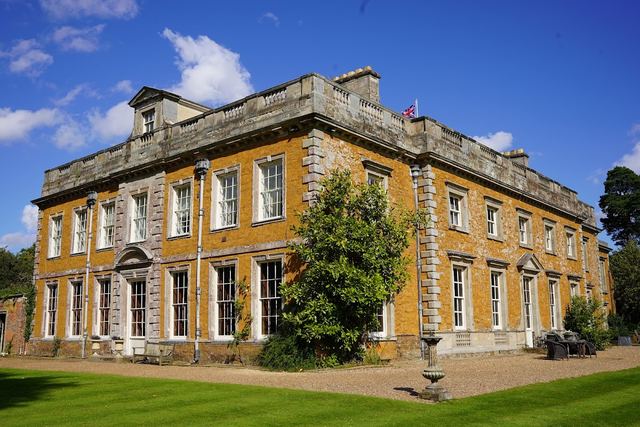
Farnborough Hall
A terrace walk laid out from the 1740s, with an Ionic temple, an oval pavilion probably designed by Sanderson Miller, and an obelisk at the far end.
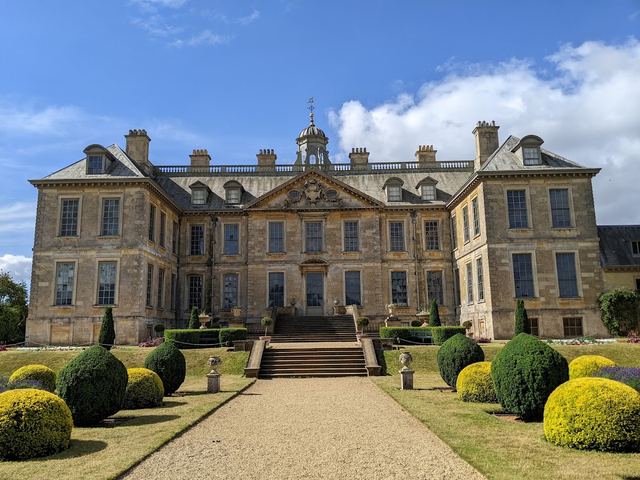
Belton House
Bellmount Tower, a tall arch on a hill at the end of an avenue, dated 1750 on its plaque and sited to look back at the house.
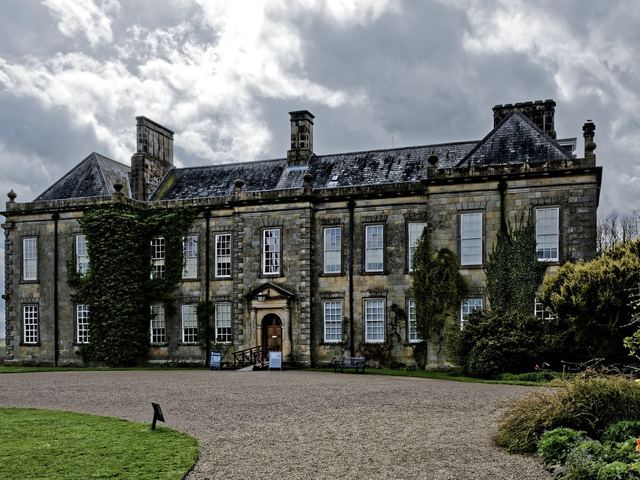
Wallington
Rothley Castle, a Gothic eyecatcher designed by Daniel Garrett for Sir Walter Calverley Blackett and placed on the skyline so it could be seen from the house.