Guide No. 4 · The Stately Homes
What Is a Dower House?
Somewhere at the edge of most great estates there is a second, smaller house: handsome, comfortable, and pointedly not the main one. It was built for the woman who used to run the big house, on the day she stopped being its mistress. This is how that arrangement worked, and what the women it was designed for actually did about it.
A dower house is a smaller house on a country estate, kept for the widow of the previous owner. When the head of the family died, the estate and the main house passed intact to his heir; if that heir was married, his widowed mother moved out and into the dower house, close enough to stay part of estate life but no longer in charge of it.
The custom held on English, Welsh, Scottish and Irish estates for centuries, and it has not entirely died out. It is also the reason Downton Abbey's Violet Crawley lives where she does.
She was provided for, but she did not own the house
The dower house exists because of a gap in how landed families held property. Under primogeniture the land, the house and everything settled with them went to the eldest son as a single undivided block; the point of the system was that the estate should never be broken up to provide for anybody. A widow was provided for in cash instead.
Two mechanisms did that work. The older was dower, the common-law right of a widow to a life interest in about a third of her late husband's lands. The one that largely replaced it was jointure, a fixed provision settled on the wife when the marriage was arranged, accepted in place of dower - which suited the husband's family, since a known annual figure was far easier to plan an estate around than an unpredictable third of the land. A widow could take one or the other, never both. What neither gave her was the house. She had an income for life and no building to spend it in, which is precisely the problem a dower house solved.
Two mistresses, one house
There was a social reason as well as a legal one, and contemporaries were fairly blunt about it. A country house had one mistress. She controlled the household, the servants, the entertaining and the family's public face, and there was no comfortable way to have two women doing that job in the same building - particularly when one of them had been doing it for forty years and the other had just arrived.
The dower house resolved it by geography. The widow kept her standing, her income and her staff, and moved a mile down the drive. She could still be visited daily, still sit in the family pew, still be consulted, and still be entirely outside the new mistress's household. Where there was no son yet married, she often simply stayed put; the move was triggered by the arrival of a successor, not by the funeral.
Still happening
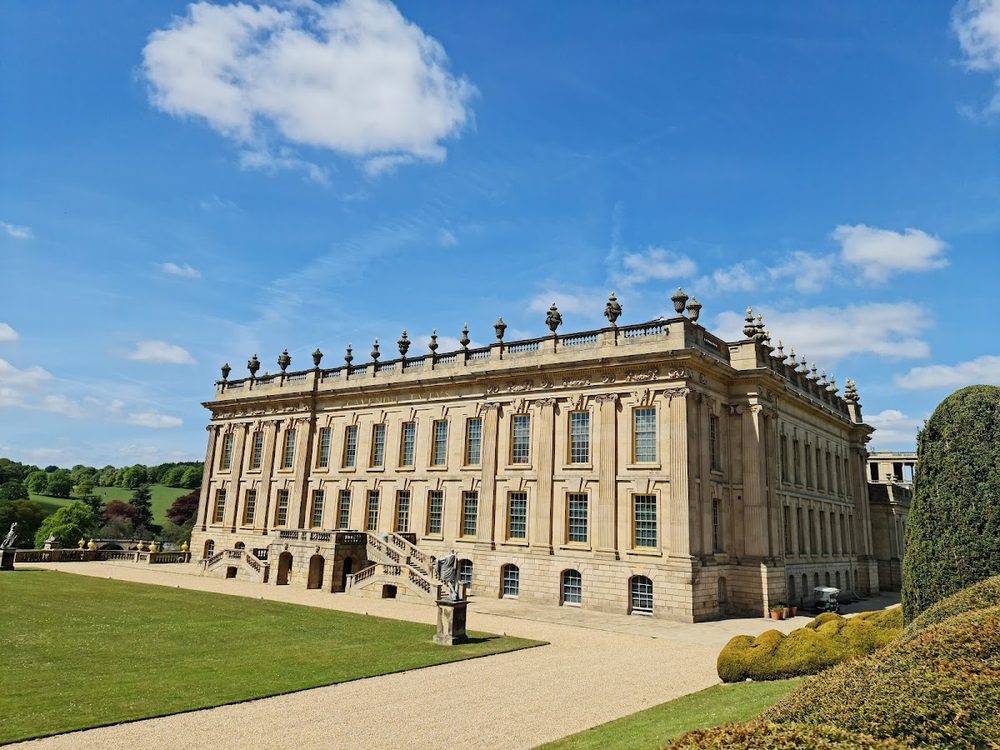
The clearest modern example is at Chatsworth. Andrew Cavendish, 11th Duke of Devonshire, died in May 2004. His widow Deborah - the last of the Mitford sisters, and the person who had spent half a century turning Chatsworth into a functioning visitor business - stayed on for around eighteen months, then moved out in December 2005 to the Old Vicarage in the estate village of Edensor, less than a mile from the house. She lived there until her death in 2014. Nothing legally compelled it. She left, in her own account, to make way for the next generation, which is exactly the logic the custom always ran on.
Purpose-built examples are still standing too, though usually not open. Alward House in Wiltshire was built as the dower house to the Longford estate near Salisbury, in sight of Longford Castle, and is still counted among the Earl of Radnor's family seats. It now takes private group bookings, which is the commonest fate of a dower house today: too large to be an ordinary home, too small and too private to be a visitor attraction.
The widow who built her own instead
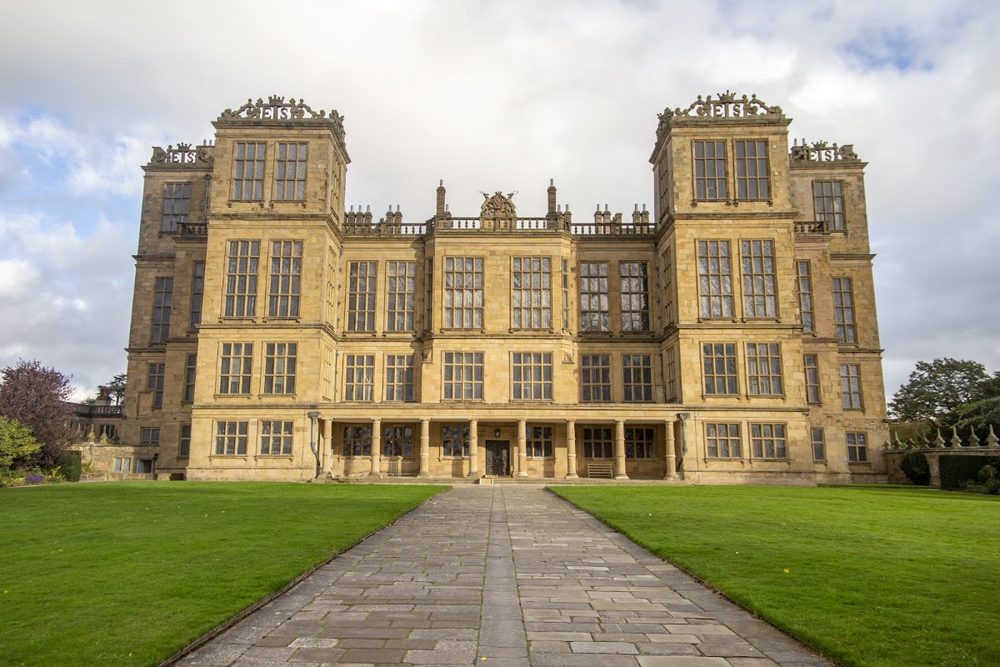
Hardwick Hall is the flat contradiction of the whole arrangement. Bess of Hardwick married four times, each marriage leaving her better off than the last, and when the Earl of Shrewsbury died in 1590 what she inherited let her begin building on her own account. The result, finished within the decade, was the most glazed and most talked-about house in England - "Hardwick Hall, more glass than wall" - with her own initials, ES for Elizabeth Shrewsbury, cut into the stonework along the roofline where no visitor could miss them. She had already begun an earlier house at Chatsworth with her second husband. Hardwick was hers alone.
The irony arrived later. Once the Cavendish family made Chatsworth their principal seat, Hardwick became the secondary house, visited intermittently for generations - and in the twentieth century it turned into a dowager's house in all but name. Evelyn, widow of the 9th Duke, made Hardwick her permanent home in 1938 and spent twenty-two years there working on its tapestries and needlework. The house passed to the National Trust in 1959 in settlement of death duties; she stayed on in it, and died there in 1960. The collection visitors come to see today is in the condition it is largely because of a widow with time on her hands.
The ones who went nowhere
Move out was the convention, not a rule, and plenty of widows had the leverage to ignore it. Holkham Hall was unfinished when Thomas Coke died in 1759; their son had died before his father, so no young heir was waiting to take possession. His widow, Lady Margaret Tufton, oversaw and part-funded the completion of the house in 1764, kept the accounts herself, and ran Holkham for a further eleven years until her death in 1775. At Blenheim Palace, Sarah, Duchess of Marlborough, took charge of finishing the palace after the 1st Duke died in 1722, quarrelling with everyone involved as she went - then spent most of her twenty-two years of widowhood in her own houses elsewhere, dying at Marlborough House in London in 1744.
Ownership settled the question outright. Polesden Lacey had been bought for Margaret Greville and her husband by her father in 1906; when Ronald Greville died two years later the house was hers, and she stayed in it as one of the country's most effective political hostesses for the next three decades, leaving it to the National Trust on her death in 1942. Osborne on the Isle of Wight was Queen Victoria's private property rather than a Crown palace, bought with Albert; after his death in 1861 she kept it much as he had left it and died there in January 1901.
Uppark in West Sussex is the most improbable of them. Sir Harry Fetherstonhaugh married his dairymaid, Mary Ann Bullock, in 1825, when he was about seventy and she was twenty. Widowed in 1846, she ran the estate with her younger sister Frances for nearly thirty years, funded local charities and the village church, and on her death in 1874 left Uppark to Frances, who took the family name. A dower house would have been an odd suggestion to put to either of them.
Further down the ladder
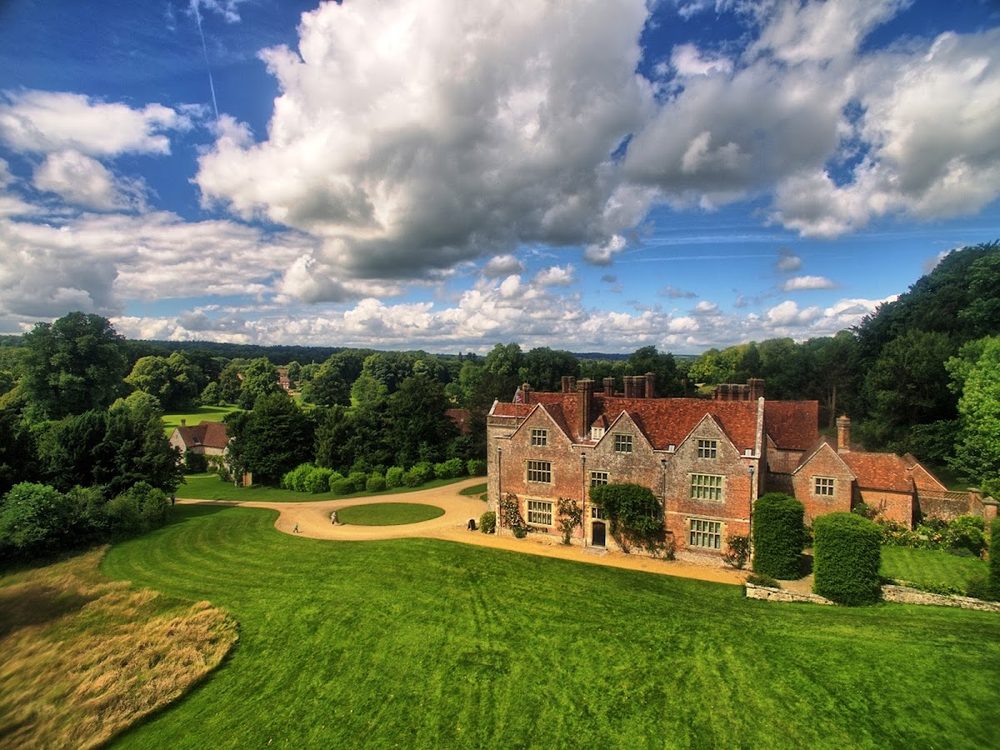
The same problem, minus the money, produced English literature's most famous house move. When the Reverend George Austen died in 1805 his widow and daughters had no home and very little income, and spent four unsettled years in lodgings. In 1809 his son Edward - adopted as a boy by wealthy kinsmen and by then owner of the Chawton estate - offered them a cottage on it, rent free. Mrs Austen, Cassandra, Jane and their friend Martha Lloyd moved in that July, a short walk from Chawton House, the great house itself. It is a dower house arrangement in everything but scale, and one of Jane Austen's daughters-of-the-house plots, the opening of Sense and Sensibility, is built directly on the version of it that goes wrong.
Dower was curtailed and then abolished outright in England and Wales by the Administration of Estates Act 1925, and death duties did more damage to the great estates in the twentieth century than any widow's claim ever had. The buildings remain, though. Next time an estate map shows a second substantial house half a mile from the main one, with its own garden and its own drive, it is worth asking who it was built to move out of the way.
Quick answers
What is a dower house?
A dower house is a smaller, separate house on a country estate, kept for the widow of the previous owner. When the head of the family died, his heir inherited the main house; if that heir was married, his widowed mother was expected to move out of it and into the dower house, usually somewhere close by on the same estate. The arrangement was normal on English, Welsh, Scottish and Irish estates for centuries.
Why did a widow have to leave the main house?
Because she had almost never owned it. Under primogeniture the land and the house passed intact to the eldest son, and the widow's provision was money rather than property - an income for life, secured before the marriage. That left her financially comfortable but with no legal claim on the building, and no obvious role in it once a new mistress of the house had arrived.
What is the difference between dower and jointure?
Dower was the older common-law right: a widow's life interest in roughly a third of her late husband's lands. Jointure was the arrangement that largely replaced it, a fixed provision settled on the wife at the time of the marriage instead of dower - which suited the husband's family, because a known annual sum was far easier to plan an estate around than a third of the land. A widow could claim one or the other, not both. Dower was finally abolished in England and Wales by the Administration of Estates Act 1925.
What does 'dowager' mean?
A dowager is the widow of a titled man, holding the title through him while a younger woman holds the same title as the current wife. Downton Abbey's Violet Crawley is the best-known fictional example: she is the Dowager Countess of Grantham, her daughter-in-law Cora is the Countess, and Violet lives, correctly, in the estate's Dower House rather than the abbey itself.
Can you visit a dower house?
Rarely as a ticketed attraction, because most are still private homes, estate offices or holiday lets rather than show houses. Alward House in Wiltshire, built as the dower house to the Longford estate, is now hired privately for group stays. What you can do easily is visit the great houses the widows left, stayed in or built - Chatsworth, Hardwick Hall, Holkham Hall, Uppark and Osborne are all on this list.
Where to see it
Ten houses on the list tied to a real widow's story - the ones who moved out, the ones who refused, and the one who built her own:
Hardwick Hall
The house a widow built for herself. Bess of Hardwick was widowed for the fourth time in 1590 and used what she inherited to start the New Hall the same year. Three and a half centuries later it became a dowager's house again.
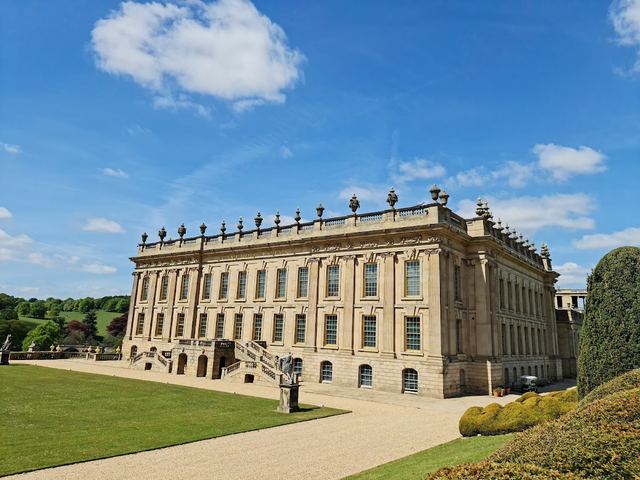
Chatsworth House
The custom, alive in the 21st century. Deborah, Dowager Duchess of Devonshire, stayed about 18 months after her husband died in 2004, then moved in December 2005 to the Old Vicarage at Edensor, less than a mile away on the estate.
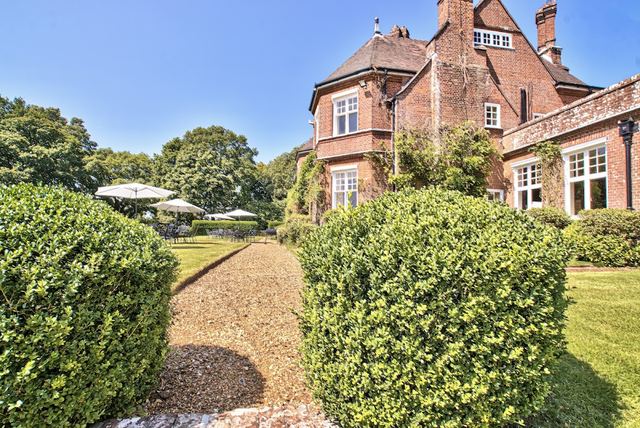
Alward House
Built as the dower house to the Longford estate near Salisbury, within sight of Longford Castle, and still listed among the Earl of Radnor's family seats. Now hired privately for group stays rather than opened to day visitors.
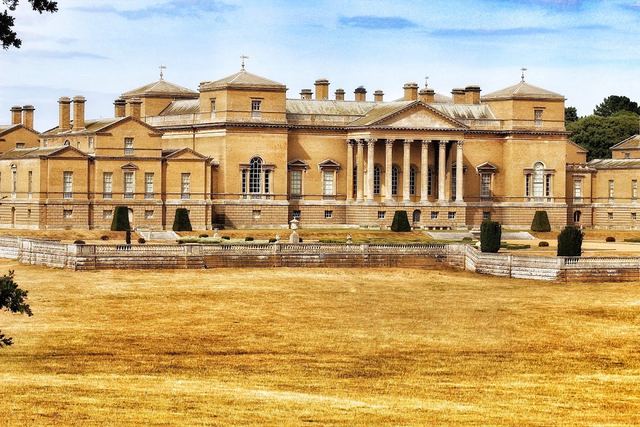
Holkham Hall
Finished by a widow. Thomas Coke died in 1759 with the house incomplete; his widow Lady Margaret Tufton oversaw and part-funded the work to completion in 1764, and ran Holkham for another 11 years.
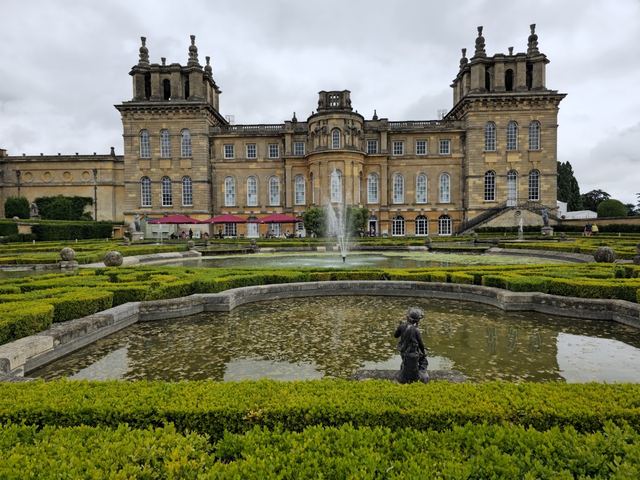
Blenheim Palace
Sarah, Duchess of Marlborough, took charge of finishing the palace after the 1st Duke died in 1722 - then spent most of her long widowhood in her own houses elsewhere, leaving Blenheim to the heir.
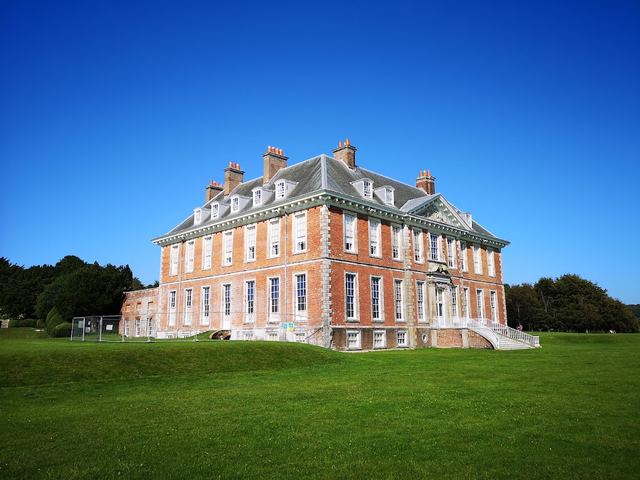
Uppark
Sir Harry Fetherstonhaugh married his dairymaid Mary Ann Bullock in 1825, when he was about 70. Widowed in 1846, she ran the estate with her sister Frances for nearly three decades and left Uppark to her on her death in 1874.
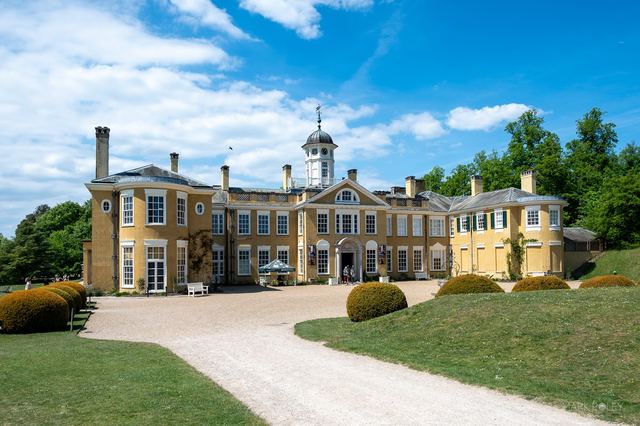
Polesden Lacey
Margaret Greville was widowed in 1908, two years after the house was bought for her and her husband. She owned it outright, went nowhere, and entertained here for the next three decades before leaving it to the National Trust.
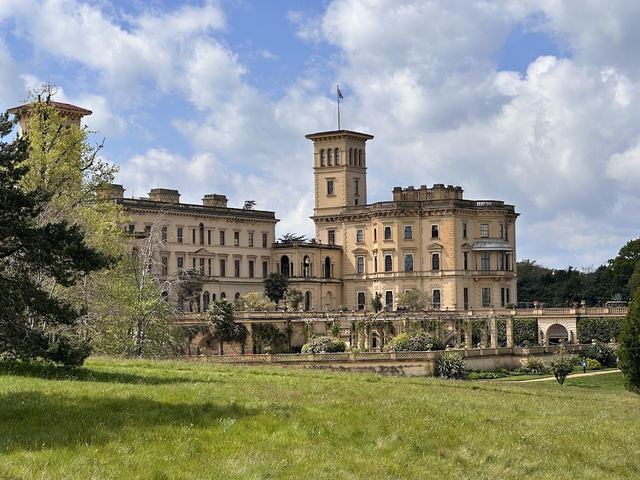
Osborne
Queen Victoria's own private house rather than a Crown property, which is why widowhood did not move her. She kept it much as Albert had left it and died here in January 1901, nearly forty years after him.
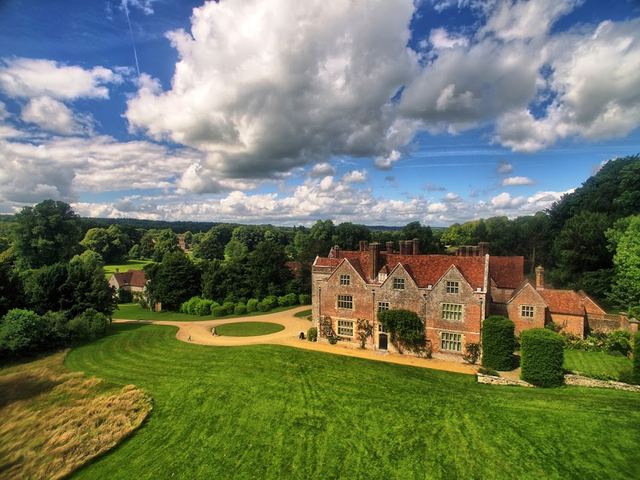
Chawton House
The same arrangement several rungs down the social ladder. Jane Austen's widowed mother had no house of her own until her son Edward, who had inherited the Chawton estate, gave her a cottage on it rent free in 1809.
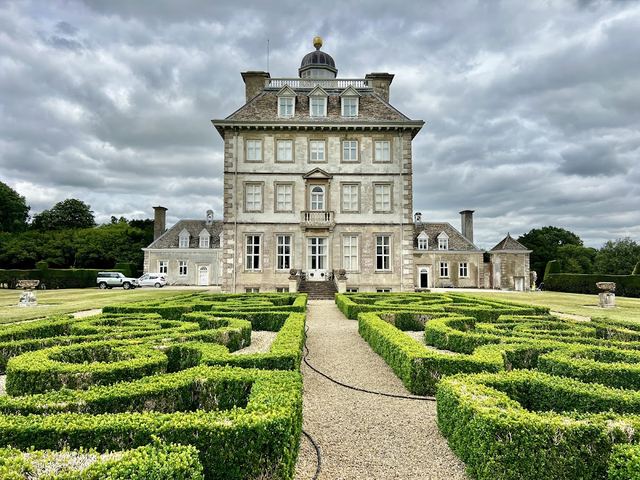
Ashdown House
Built in the early 1660s by the 1st Earl of Craven, and said - though not documented - to have been intended for the widowed Elizabeth of Bohemia, who died in 1662 before it was finished.