Guide No. 3 · The Stately Homes
Country Houses on Screen
Most people's picture of a great English house comes from television rather than a visit. What that picture rarely admits is how much of it is edited together: one house for the front, another for the staircase, a studio set for the kitchen. Here is who played what, and which of them you can walk into.
Britain's period dramas are filmed in real country houses, not on purpose-built sets - but the house you think you are looking at is very often two or three different buildings cut together.
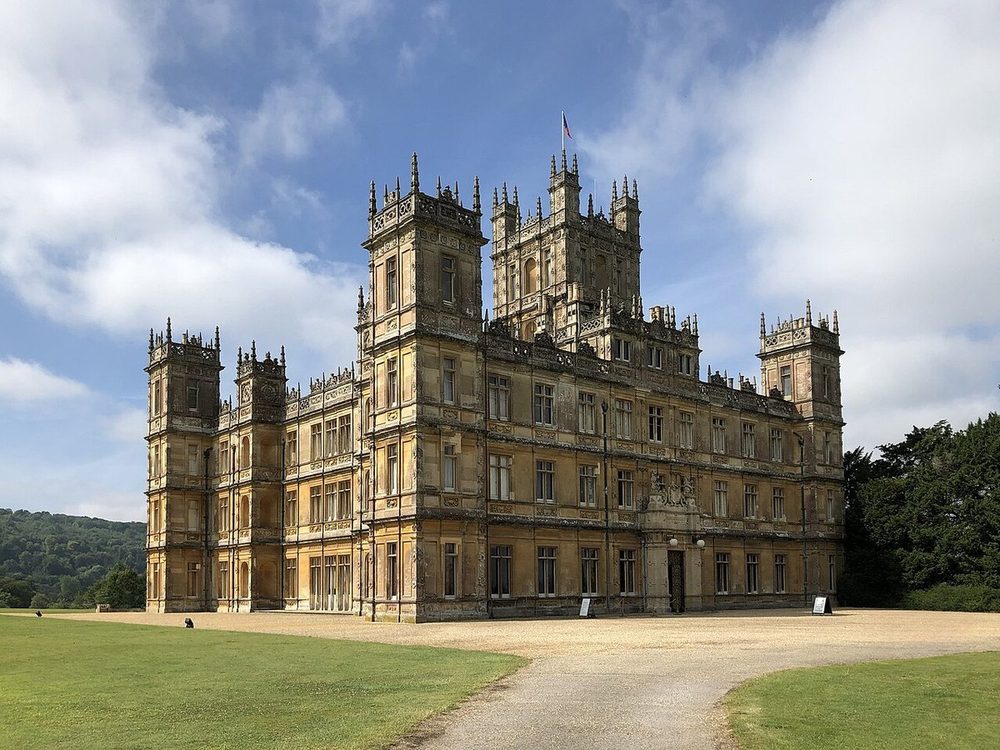
Downton Abbey is Highclere Castle in Hampshire. Pemberley is Lyme Park or Chatsworth depending on the adaptation. Bridgerton's Clyvedon Castle is Castle Howard in Yorkshire, while other scenes in the same series were shot at Wilton House, Belton House and Basildon Park.
For the houses, this is a second income alongside ticket sales, and a marketing campaign nobody could otherwise afford.
One novel, six houses
Pride and Prejudice is the clearest illustration of how loosely a screen house maps onto a real one. The BBC's 1995 series built Pemberley out of two separate buildings: Lyme Park in Cheshire supplied the exterior and the grounds, including the reflecting lake the National Trust still directs visitors to as the spot where Darcy met Elizabeth, while the interiors were shot 40 miles away at Sudbury Hall in Derbyshire, a house built between 1660 and 1680 by George Vernon and quite unlike Lyme inside. Rosings Park, meanwhile, was Belton House in Lincolnshire.
The 2005 film reshuffled the whole pack. Pemberley became Chatsworth House; Rosings and other scenes moved to Burghley House; Netherfield Park was Basildon Park in Berkshire; and Wilton House in Wiltshire supplied more interiors again. Chatsworth adds a further claim of its own: that Austen may have had the house in mind when she wrote the novel, and wrote part of it while staying nearby in Bakewell. That is a suggestion the estate puts forward rather than something the record settles, and it is worth treating as such - but it does capture how thoroughly the fictional house and the real ones have grown into each other.
What Downton did to Highclere
Highclere Castle is the exception that proves how unusual single-house casting is. The seat of the Earl of Carnarvon played Downton Abbey more or less whole, inside and out, and according to the house's own account filming began there in 2010 and ran for six years before the films followed. The result is a house whose fictional identity now travels ahead of its real one, even though the real one is arguably the better story: it was the 5th Earl who funded the excavation that opened Tutankhamun's tomb in 1922, and the family's Egyptian collection is still shown in the cellars.
Two things follow for a visitor. The first is crowds - Highclere is busy, and reviewers who arrive at opening find it noticeably quieter. The second is that photography inside is not allowed and bag rules are strict, which surprises people who have come specifically to photograph rooms they know from the screen.
The composite house
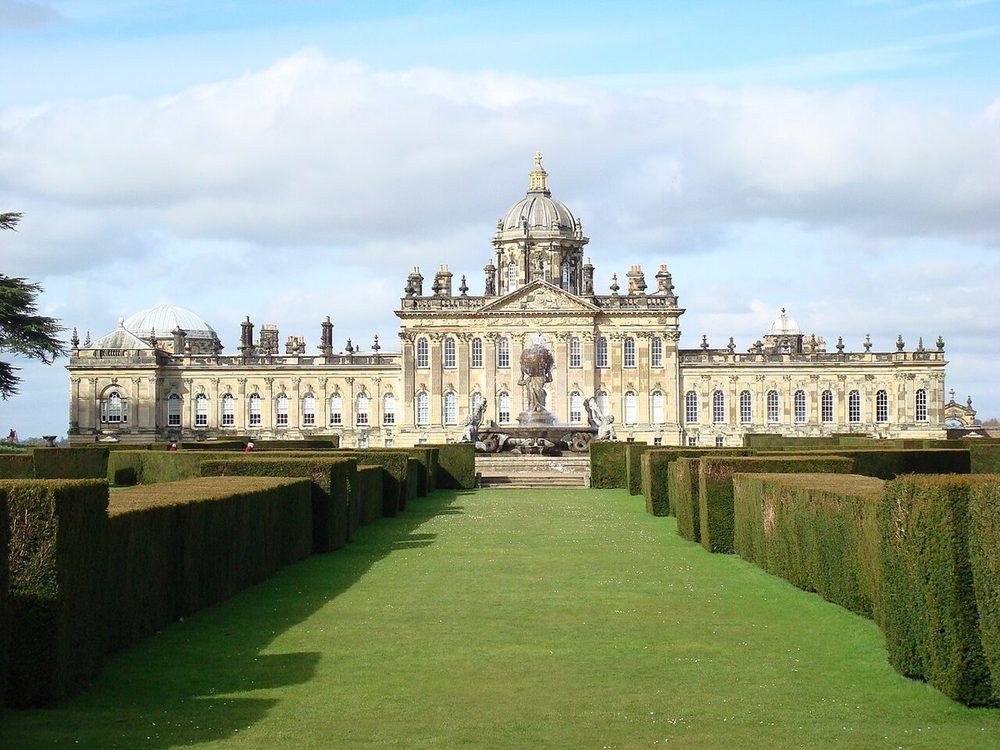
Bridgerton makes the stitching most obvious because it barely hides it. Castle Howard doubled as Clyvedon Castle, the Duke of Hastings' seat - the same Baroque house that had already played Brideshead twice, in the 1981 television series and again in the 2008 film. Wilton House and Belton House both appear elsewhere in the series, and at Basildon Park the garden room and parterre were dressed for an evening party in the second series. No single one of them is "the" Bridgerton house, and the production never needed one to be.
Basildon Park is the neatest example of how far this can be pushed. In Downton Abbey, its interiors stood in for Grantham House, the Crawleys' London mansion - so a Berkshire country house was playing a town house belonging to a family whose country house was itself a different real house in Hampshire. Once you know that, a lot of the geography of period drama stops making sense in a useful way.
Not only period drama
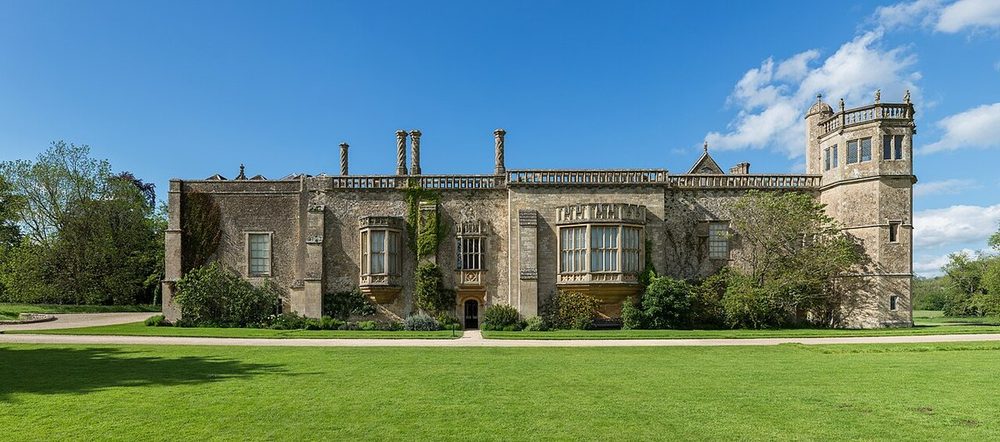
The obvious use for a country house is a costume drama, but it is not the only one. Lacock Abbey in Wiltshire is a 13th-century Augustinian nunnery, founded in 1232 by Ela, Countess of Salisbury, and converted into a house after the Dissolution; its Gothic cloister walk became Hogwarts corridors in Harry Potter and the Philosopher's Stone and the Chamber of Secrets, including the passage where Harry finds the Mirror of Erised, and the abbey was used again for the Half-Blood Prince and for Fantastic Beasts: The Crimes of Grindelwald. It has also appeared in Wolf Hall and The Other Boleyn Girl. None of that is why it matters historically - this is where William Henry Fox Talbot made what may be the earliest surviving photographic camera negative, of the oriel window in the south gallery, in 1835 - but it is why a lot of visitors turn up.
Chatsworth played May Carleton's mansion in the second series of Peaky Blinders, filmed in the summer of 2014 across the Painted Hall, the Library, guest bedrooms and the Great Dining Room, with the garden used for Tommy's approach. Calke Abbey, the National Trust house deliberately held in arrested decay since 1985 rather than restored, was the principal location for the Peaky Blinders film - the first drama shot there, and a case where the production wanted precisely the peeling, unrepaired quality the Trust had spent forty years protecting. In Scotland, Hopetoun House on the Firth of Forth served as the Duke of Sandringham's home in Outlander and was used across the series to stand in for Scotland, England and Paris by turns.
What it costs the house
Filming is straightforwardly good business for an estate. It pays a fee, it fills a shoulder season, and it delivers an advertising campaign that no house could buy. Belton's own record is blunt about it: letting the property as a filming location raises further revenue on top of admissions.
The awkward half is what arrives afterwards. A house that becomes famous gets a step change in visitor numbers, and visitor numbers are the thing historic interiors cope with least well - light, humidity, footfall on 300-year-old floors. It is also a curatorial problem: a room that millions of people know as a fictional drawing room is harder to interpret as the real thing that it is. The panel below, recorded with the World Monuments Fund Britain, has the Bridgerton director and Chatsworth's own head of visitor experience arguing this out from both sides, which is a more honest treatment than most.
Visiting a location
Two practical warnings. Interiors are the part most likely to be off limits: photography bans are common, some rooms used on screen are not on the public route, and a few houses are shut altogether while work is done - Wilton House is closed for the whole of 2026 for heating refurbishment, with the grounds, cafe and classic car exhibition still open. And the room you remember may simply not be there, because it was a set. The reliable pleasure is the reverse of the one people expect: not recognising the house from the screen, but noticing how much the production changed to make it fit.
Quick answers
Which stately home is Downton Abbey filmed at?
Highclere Castle in Hampshire, the seat of the Earl of Carnarvon. Highclere's own account is that the first television series was filmed there in 2010 and that filming continued for six years, followed by the films. The house is open to visitors, though photography inside is not permitted and bag policies are strict.
Which house is Pemberley in Pride and Prejudice?
It depends which adaptation you mean. The BBC's 1995 series used Lyme Park in Cheshire for the exteriors - including the lake where Darcy meets Elizabeth - and Sudbury Hall in Derbyshire for the interiors. The 2005 film used Chatsworth House instead. Chatsworth also puts forward the claim that Jane Austen may have had it in mind when she wrote the novel, though that is a suggestion rather than a documented fact.
Where was Bridgerton filmed?
Across several real houses rather than one. Castle Howard in North Yorkshire doubled as Clyvedon Castle, the Duke of Hastings' seat. Wilton House in Wiltshire and Belton House in Lincolnshire were both used, and the garden room and parterre at Basildon Park in Berkshire stood in for an evening party in the second series.
Which stately home was used in Harry Potter?
Lacock Abbey in Wiltshire, a 13th-century nunnery converted into a house after the Dissolution. Its Gothic cloister walk appears in Harry Potter and the Philosopher's Stone and the Chamber of Secrets, including the corridor where Harry finds the Mirror of Erised, and the abbey was used again for the Half-Blood Prince and Fantastic Beasts: The Crimes of Grindelwald.
Why do productions film in real country houses instead of building sets?
Partly cost and partly conviction: a real house arrives with correct proportions, worn surfaces and daylight that a set has to imitate expensively. It also gives the house a second income stream alongside ticket sales. The trade-off is that a production brings crews, lighting rigs and, afterwards, far more visitors than before - which is a conservation problem as much as a commercial win.
Where to see them
Ten houses on the list with verified screen credits, from the one that played Downton Abbey to the Scottish house that has stood in for Paris:
Highclere Castle
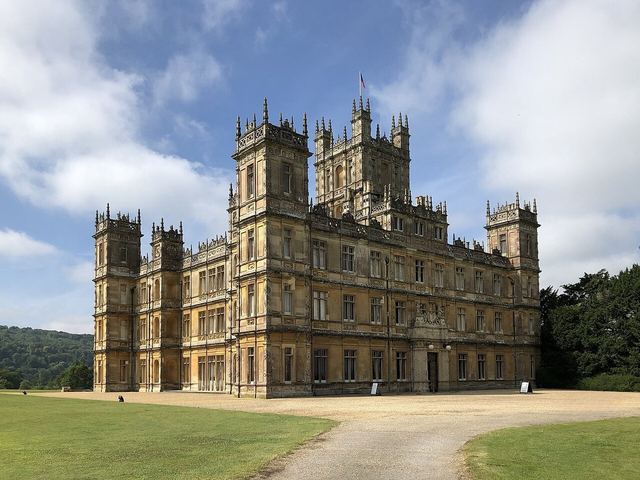
Downton Abbey itself. Highclere says the first series was filmed here in 2010 and that filming carried on for six years, then the films. Still the seat of the Earl of Carnarvon, with the family's Egyptian collection on show in the cellars.
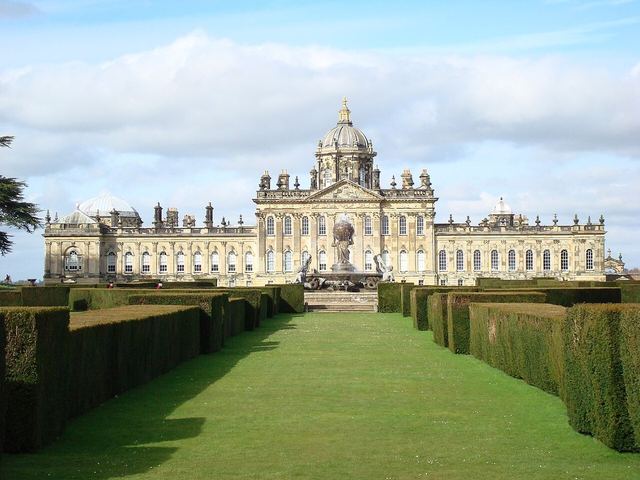
Castle Howard
Brideshead Revisited twice over - the 1981 series and the 2008 film - and then Clyvedon Castle, the Duke of Hastings' seat, in Bridgerton. The house has been taking productions since the 1960s.
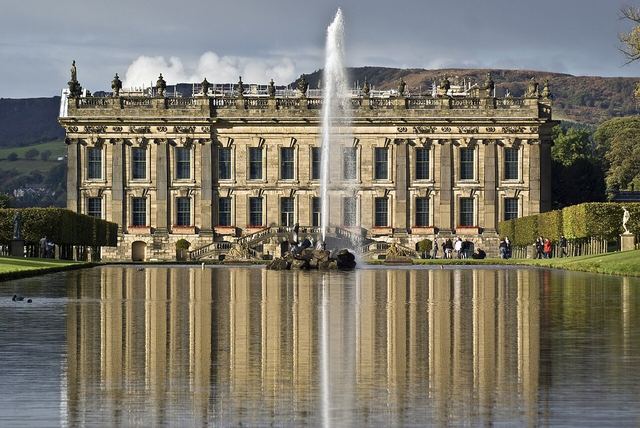
Chatsworth House
Pemberley in the 2005 Pride and Prejudice, and May Carleton's mansion in the second series of Peaky Blinders, filmed in summer 2014 across the Painted Hall, Library, Great Dining Room and garden.
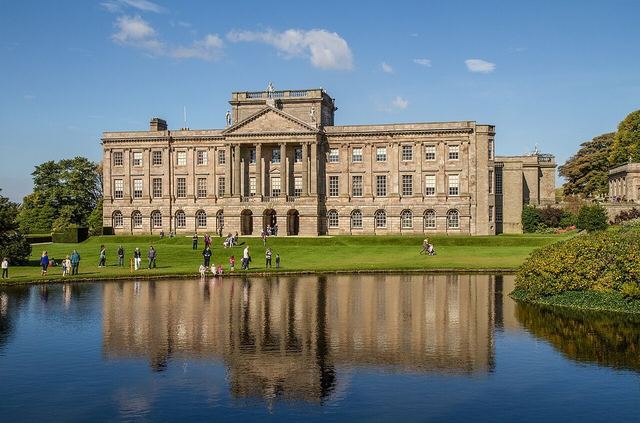
Lyme Park
The other Pemberley: the exterior in the BBC's 1995 Pride and Prejudice. The National Trust still points visitors to the reflecting lake where Darcy met Elizabeth.
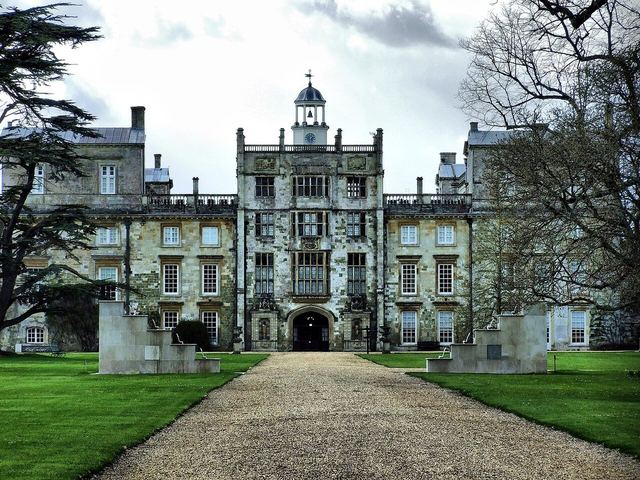
Wilton House
Pride and Prejudice (2005), The Crown, Bridgerton, Barry Lyndon and The Madness of King George. Note the house itself is closed through 2026 for heating refurbishment, with the grounds still open.
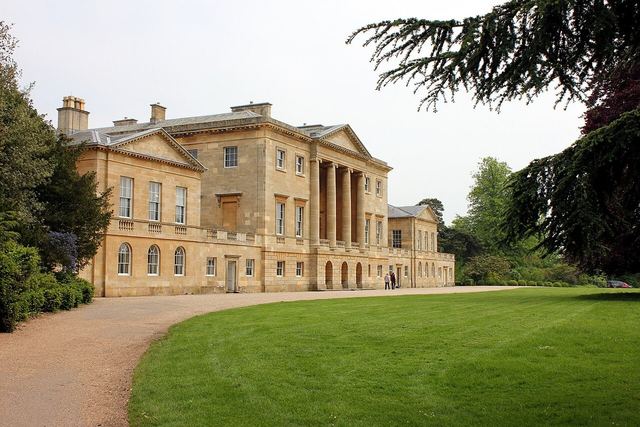
Basildon Park
Netherfield Park in the 2005 Pride and Prejudice, Grantham House in Downton Abbey - the Crawleys' London mansion, played by a Berkshire country house - and a Bridgerton party in the garden room.
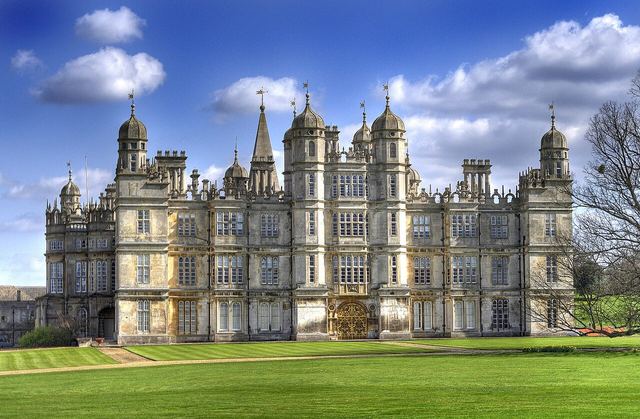
Burghley House
Pride and Prejudice (2005), The Da Vinci Code (2006), Elizabeth: The Golden Age (2007) and The Crown. The painted Heaven Room and Hell Staircase are the interiors most visitors come for.
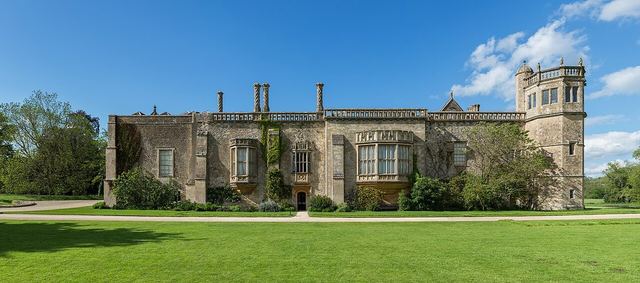
Lacock Abbey
Hogwarts corridors in the first two Harry Potter films, plus Wolf Hall and The Other Boleyn Girl. The cloisters that do the work are 13th-century, from its life as an Augustinian nunnery.
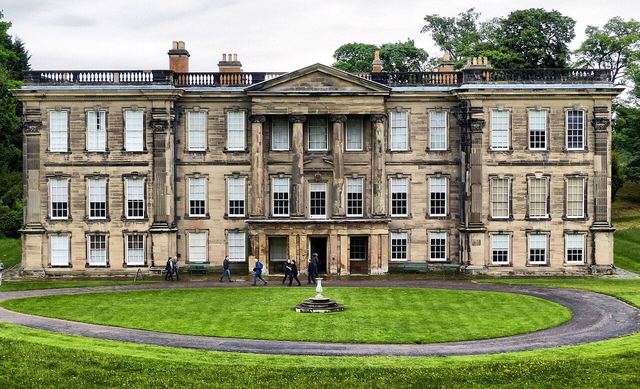
Calke Abbey
The National Trust's deliberately un-restored house, kept in arrested decay since 1985 - and the principal location for the Peaky Blinders film, the first drama shot there.
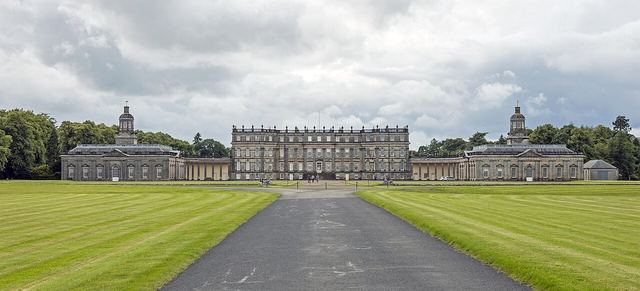
Hopetoun House
The Duke of Sandringham's home in Outlander, used across the series to stand in for Scotland, England and Paris in turn. Also Belgravia in 2020.