Guide No. 19 · The Stately Homes
Country House Scandals
Every big house has a story the tour guide lowers their voice for, and most of those stories are embroidery. These nine are the other kind: court records, Hansard, published memoirs and auction catalogues. Nine houses on this list, and what actually happened in them.
Britain's great houses have produced a long run of documented public scandals: a duke declared insolvent and made to watch Christie's auction his own furniture; an owner outlawed and exiled after two criminal charges; an eighteen-year-old American heiress married off with a settlement of $2.5 million and released only by a Vatican annulment thirty years later; and a Secretary of State for War who lied to the House of Commons about a woman he had met at a country house swimming pool.
What counted as a scandal moved with the century. Georgian society forgave a great deal of private conduct and very little public debt. Victorian courts turned inheritance disputes into serialised entertainment. By 1963 the press and Parliament between them could end a career in a fortnight. The buildings outlasted all of it, and several of them now tell the story on site.
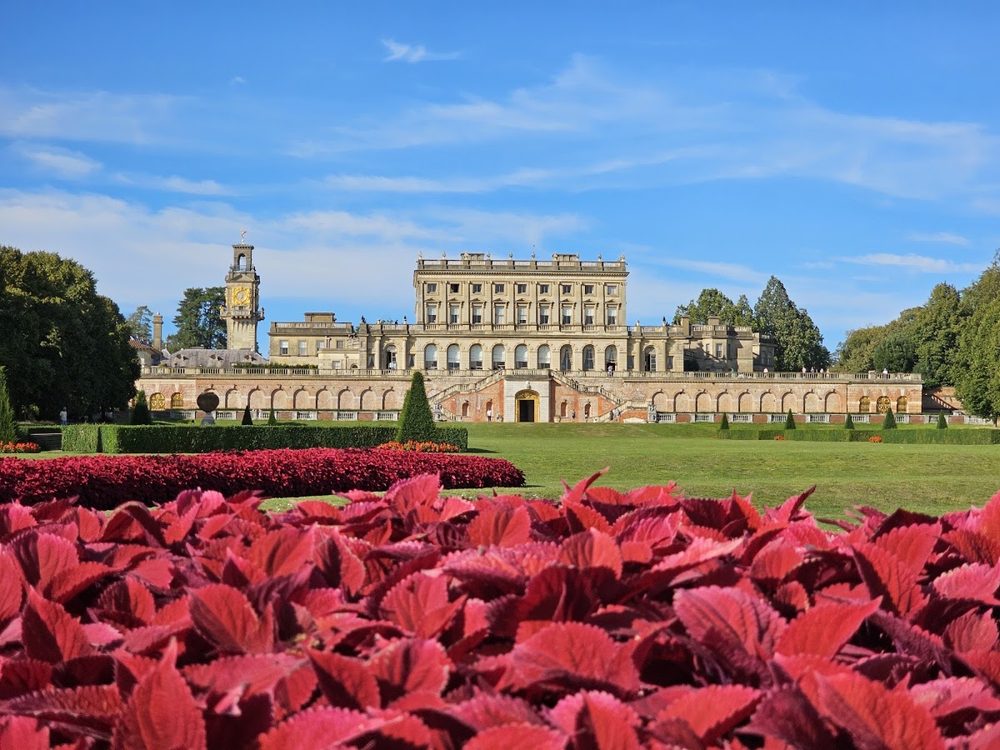
Spending the house away
The fastest way for a 19th-century aristocrat to lose his reputation was to lose his money in public. Richard Temple-Nugent-Brydges-Chandos-Grenville, 2nd Duke of Buckingham and Chandos, managed it on a scale few British landowners have matched since. He was declared insolvent in 1847, owing sums Stowe House itself now puts at the equivalent of roughly £100 million today, and the following year Christie's came to the house and sold it around him: paintings, the library, the wine cellar, the deer in the park. The family did not recover its position. The estate was broken up in 1921 and Stowe School opened in the house in 1923.
Attingham Park had gone the same way twenty years earlier, and with a marriage scandal attached. In February 1812 Thomas Noel Hill, 2nd Lord Berwick, then forty-one, married seventeen-year-old Sophia Dubochet, the daughter of a Swiss clockmaker in Mayfair. Her sister was Harriette Wilson, the most famous courtesan in London, and Sophia had herself been kept by Viscount Deerhurst. Society could not decide whether to receive her. What settled the matter was money: the couple spent past the point the estate could carry, the contents were auctioned in 1827 and again in 1829, and Berwick went to Italy and died at Naples in 1832. His younger brother William bought a great deal of the furniture back, and much of it is still in the house.
The marriage market
Consuelo Vanderbilt married Charles Spencer-Churchill, 9th Duke of Marlborough, in New York on 6 November 1895. She was eighteen, secretly engaged to another man, and had been locked in her room by her mother Alva, who then claimed to be dying until her daughter gave in. She wept behind her veil at the altar. The settlement was $2.5 million in railroad stock, guaranteeing the Duke an income of $100,000 a year, and it did what it was brought in to do: Blenheim Palace was repaired, re-serviced and re-equipped on it. The couple separated in 1906 and divorced in 1921. In 1926 the Roman Catholic Rota annulled the marriage outright, after Alva gave evidence that she had forced it.
The same market ran in the other direction at Uppark in Sussex. In 1825 Sir Harry Fetherstonhaugh, then in his seventies, married the estate's dairymaid, Mary Ann Bullock, who was about fifty years younger. The marriage was a scandal at the time, and the county was wrong about what would follow. The marriage lasted twenty years, Sir Harry left her Uppark when he died in 1846, and when she died in 1874 she left it to her sister Frances. Between them the dairymaid and her sister held the house until 1895, and their long, unambitious tenure is a large part of why Uppark's interiors survived so little altered into the 20th century.
Sex, and who was allowed to survive it
Georgiana Spencer married the 5th Duke of Devonshire on her seventeenth birthday in June 1774 and spent the rest of her life being written about in the press. From 1782 she shared Chatsworth House and the family's other houses with Lady Elizabeth Foster, who was her close friend and her husband's mistress and lived with them permanently. Her gambling debts reached around £100,000. When she became pregnant by Charles Grey in 1791 the arrangement stopped being tolerable: she was sent to France, gave birth to a daughter, Eliza Courtney, in February 1792, and had to hand the child to Grey's parents to raise as their own. She was allowed home only after giving Grey up. After Georgiana died in 1806 the Duke married Elizabeth Foster.
Compare the man in the same story at Uppark. Sir Harry Fetherstonhaugh took the fifteen-year-old Emma Hart into the house as his mistress in 1780, kept her there to entertain his guests, and threw her out in December 1781 when she became pregnant, giving her barely the money to get home. She went on to marry Sir William Hamilton, sit for George Romney dozens of times, and become Nelson's mistress. Sir Harry's own standing came through it untouched: he was still receiving guests at Uppark forty years later. Georgiana's very nearly did not survive hers.
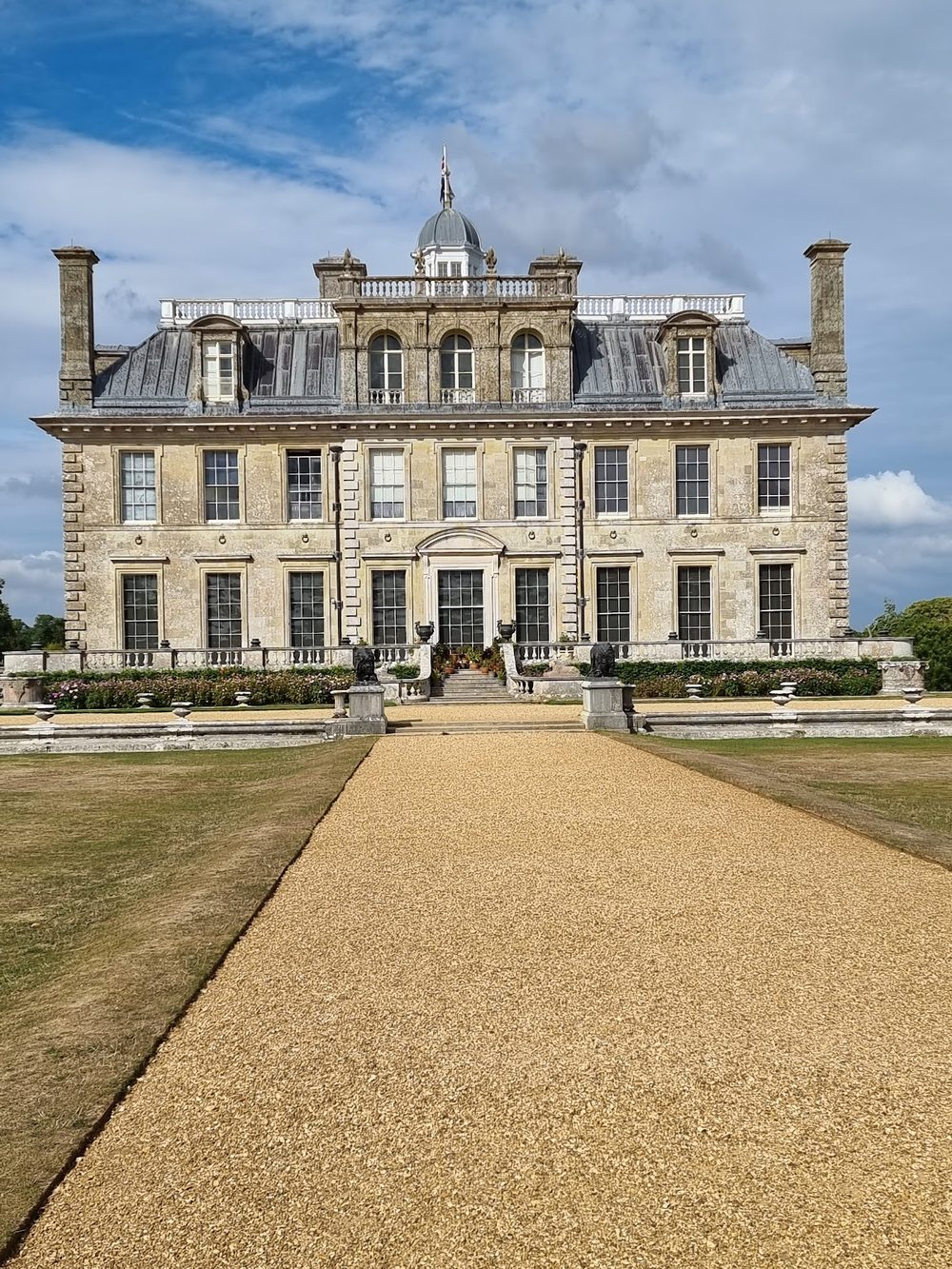
The owner who could not come home
William John Bankes was a traveller, an Egyptologist and an MP, and the reason Kingston Lacy in Dorset holds the collection it does. In 1833 he was charged with a homosexual offence near Westminster Abbey and acquitted, the Duke of Wellington among those who spoke for his character. In 1841 he was caught with a guardsman in Green Park, arrested, bailed, and left the country rather than face a second trial. For failing to appear he was declared an outlaw, which put his property at risk of forfeiture, so he signed Kingston Lacy over to his brother George before he went.
He then spent fourteen years in Venice furnishing a house he was not allowed to set foot in, sending back paintings, marble and, in 1853, a set of bronze tortoises to stand under an obelisk in the garden. He died in Venice in April 1855 and was brought home to be buried at Wimborne Minster. The family long believed he had made secret visits to see the rooms he was filling. The National Trust tells his story openly at the house now.
Wills and disputed inheritance
Peter Thellusson, a Swiss-born London banker, bought the Brodsworth estate in 1790 and died in July 1797 leaving a will designed to punish his own children. His fortune was tied up in trust to accumulate untouched for three generations. The family fought it all the way to the House of Lords in Thellusson v Woodford and lost, and Parliament responded with the Accumulations Act 1800, still known as the Thellusson Act, to stop anyone trying it again. The money finally came out in 1859. Charles Sabine Augustus Thellusson inherited that year and built Brodsworth Hall between 1861 and 1863 with it. The case is usually taken as one of the models for Jarndyce and Jarndyce in Bleak House.
Knole in Kent had its inheritance argued in open court in 1909 and 1910. Henry Sackville-West claimed that his parents, Lionel Sackville-West and the Spanish dancer Pepita, had been married, which would have made him the legitimate heir. The court found against him: Pepita's Spanish husband had been alive throughout the relationship, so none of the seven children could be legitimate. Knole passed instead to his sister Victoria and her cousin Lionel Edward, who had married each other. Their daughter Vita Sackville-West could not inherit it either, because she was a woman, and she minded that for the rest of her life.
Cliveden, July 1961
Cliveden sits above the Thames in Buckinghamshire and had belonged to the Astors since 1893. The family gave it to the National Trust in 1942 and stayed on as tenants, which is how Bill Astor, 3rd Viscount Astor, came to be hosting a house party there over the weekend of 8 and 9 July 1961. John Profumo, Secretary of State for War, met Christine Keeler at the swimming pool. Keeler was staying at Spring Cottage on the estate with the osteopath Stephen Ward, who rented it from Astor.
The affair itself lasted a few weeks. The fallout ran for two years. On 22 March 1963 Profumo told the House of Commons there had been no impropriety, and on 5 June he resigned, having admitted to his wife and then to the Prime Minister that the statement was untrue. Lord Denning's report that September concluded there had been no breach of national security. Ward was prosecuted and took his own life during the trial. Astor was investigated, dropped by a good deal of his own circle, and died in 1966. The house came through it: the National Trust lets it as a hotel, and the pool is still in the grounds.
What the damage actually landed on
In almost every case here the reputational damage fell on people and the buildings were fine. Bankes died abroad. Georgiana gave away a daughter. Consuelo lost her twenties. Bill Astor lost his friends. Stowe lost its contents and kept its architecture, and now has a school in it and a preservation trust opening the state rooms. Brodsworth exists at all because of a will its own family went to law to break. A scandal that would have finished a family in its own decade turns out, two centuries later, to be one of the reasons anyone drives out to see the house.
Quick answers
What was the Profumo affair, and what did Cliveden have to do with it?
John Profumo, Secretary of State for War, met Christine Keeler at the swimming pool at Cliveden over the weekend of 8 and 9 July 1961, while she was staying at Spring Cottage on the estate with Stephen Ward. Cliveden was then the home of Bill Astor, 3rd Viscount Astor. Profumo denied any impropriety to the House of Commons on 22 March 1963 and resigned on 5 June that year after admitting the denial was false. Lord Denning's report, published that September, found no breach of national security.
Which stately home owner was declared an outlaw?
William John Bankes of Kingston Lacy in Dorset. He was charged with a homosexual offence in 1833 and acquitted, with the Duke of Wellington among those who spoke for him. Charged again in 1841 after being caught with a guardsman in Green Park, he was bailed and left the country rather than stand trial, and was declared an outlaw for failing to appear. He lived in Venice until his death in April 1855, buying art and shipping it home to a house he could not legally enter.
Was Consuelo Vanderbilt forced to marry the Duke of Marlborough?
By her own account and her mother's. Consuelo married the 9th Duke of Marlborough on 6 November 1895 in New York, aged eighteen, with a settlement of $2.5 million in railroad stock. She was already secretly engaged to someone else, and her mother Alva confined her to her room and claimed to be dying until she agreed. The couple separated in 1906 and divorced in 1921, and in 1926 the Roman Catholic Rota annulled the marriage after Alva testified that she had forced her daughter into it.
Which great house was sold up because of its owner's debts?
Stowe in Buckinghamshire. The 2nd Duke of Buckingham and Chandos was declared insolvent in 1847 owing sums his own house now describes as the equivalent of around £100 million today, and Christie's auctioned the contents on site through August and September 1848, down to the wine cellar and the deer in the park. Attingham Park in Shropshire went the same way twenty years earlier, its contents auctioned in 1827 and again in 1829.
Can you visit the houses where these scandals happened?
Yes. Cliveden, Uppark, Kingston Lacy and Attingham Park are National Trust properties, Brodsworth Hall is English Heritage, and Chatsworth, Blenheim Palace, Knole and Stowe House are all open to visitors. Several of them now tell the story themselves rather than leave it to the guidebooks, and at Cliveden the swimming pool is still in the grounds.
Where it all happened
Nine houses on the list, and the documented scandal attached to each:
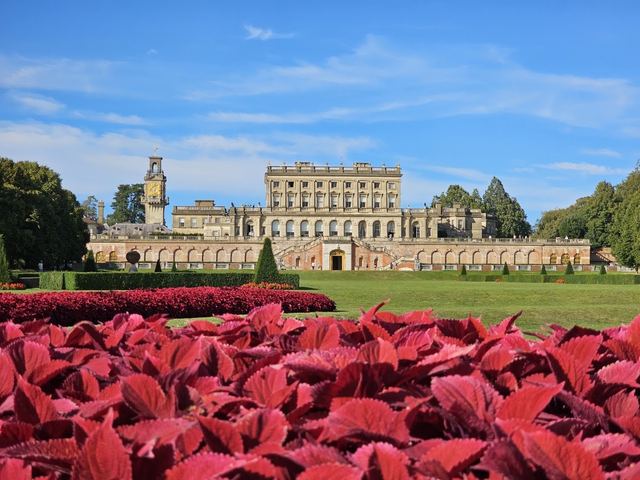
Cliveden
Where John Profumo met Christine Keeler in July 1961, at a swimming pool party thrown while the house belonged to the 3rd Viscount Astor. Given to the National Trust in 1942 and run as a hotel today.
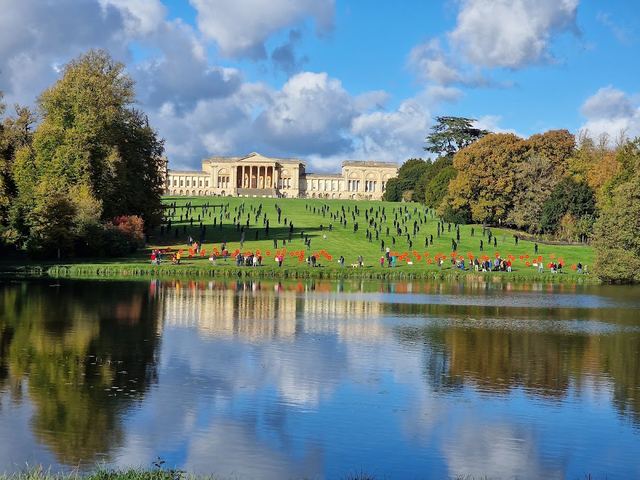
Stowe House
The 2nd Duke of Buckingham and Chandos was declared insolvent in 1847, and Christie's auctioned the contents on site through August and September 1848. A school has occupied the house since 1923.
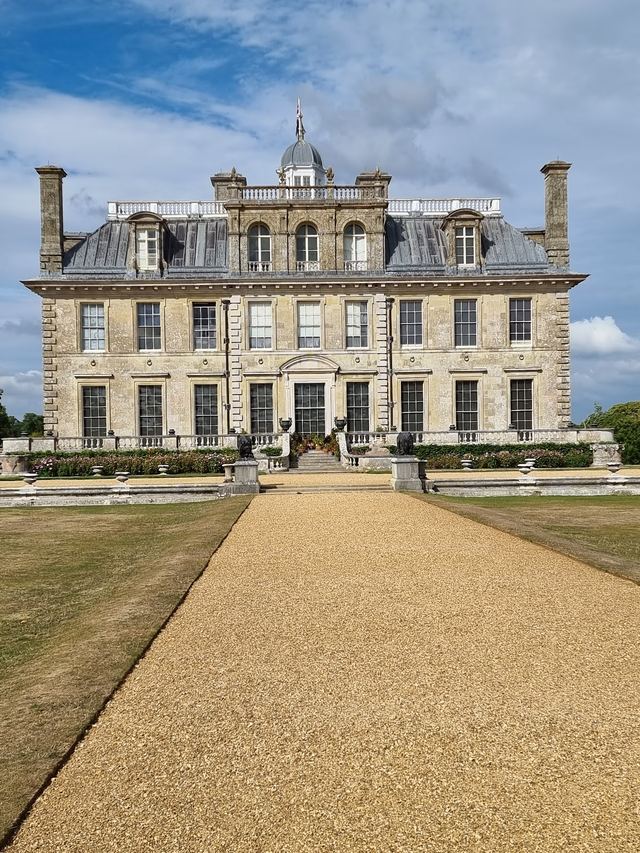
Kingston Lacy
Home of William John Bankes, who fled a second criminal charge in 1841, was declared an outlaw, and spent fourteen years in Venice buying art for a house he could not come back to.
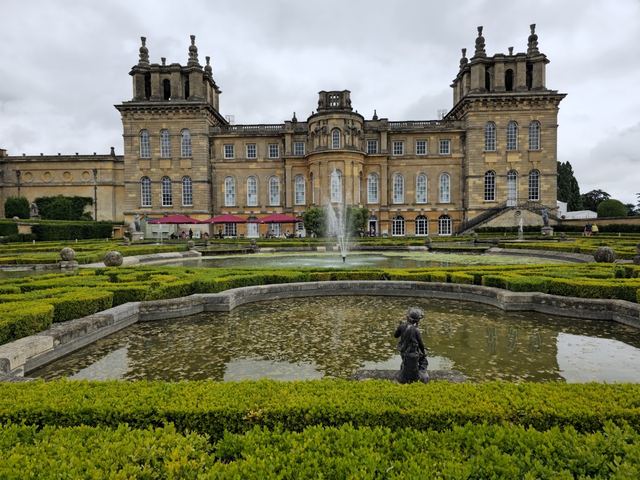
Blenheim Palace
Repaired and re-equipped on the Vanderbilt railroad settlement that came with Consuelo Vanderbilt's 1895 marriage to the 9th Duke, a marriage annulled in 1926 on the grounds that she had been coerced into it.
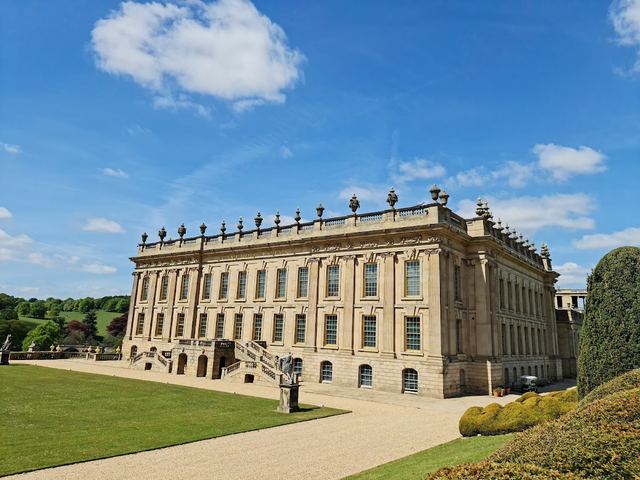
Chatsworth House
Georgiana, Duchess of Devonshire, shared the house with her husband's mistress from 1782, ran up gambling debts of around £100,000, and was sent abroad in 1791 to bear another man's child.
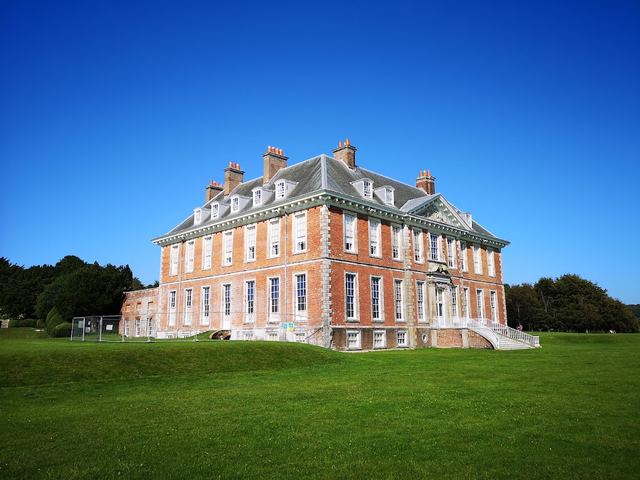
Uppark
Emma Hart lived here as Sir Harry Fetherstonhaugh's mistress in 1780 and 1781 and was dismissed when she fell pregnant. In 1825 he married the dairymaid instead, and left her the house.
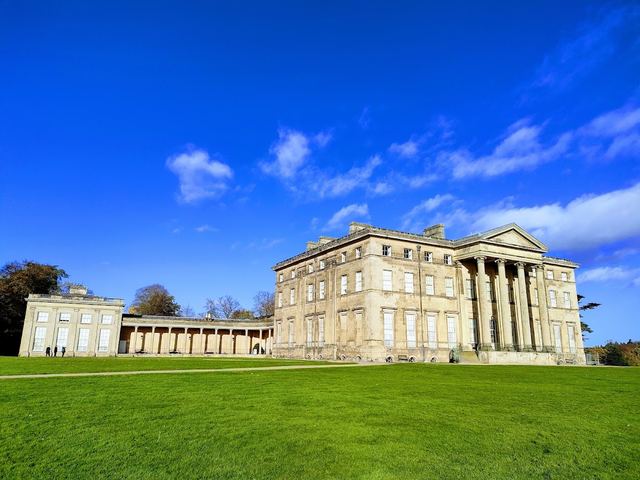
Attingham Park
The 2nd Lord Berwick married a courtesan's sister in 1812 and spent his way to bankruptcy. The contents were auctioned in 1827 and 1829, and his brother bought much of it back.
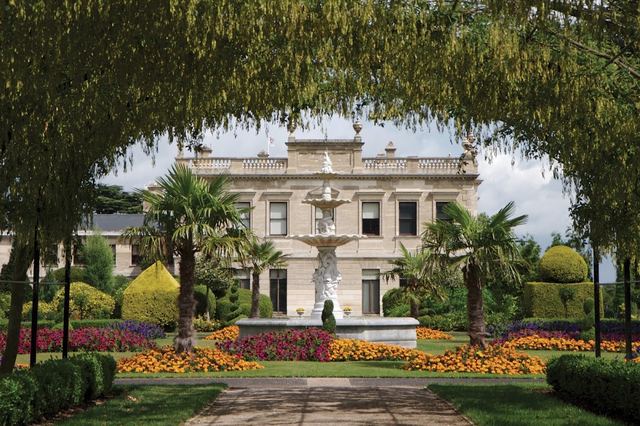
Brodsworth Hall and Gardens
Built between 1861 and 1863 with money released by the Thellusson will case, a sixty-year inheritance dispute that forced an Act of Parliament and is usually read as a model for Bleak House.
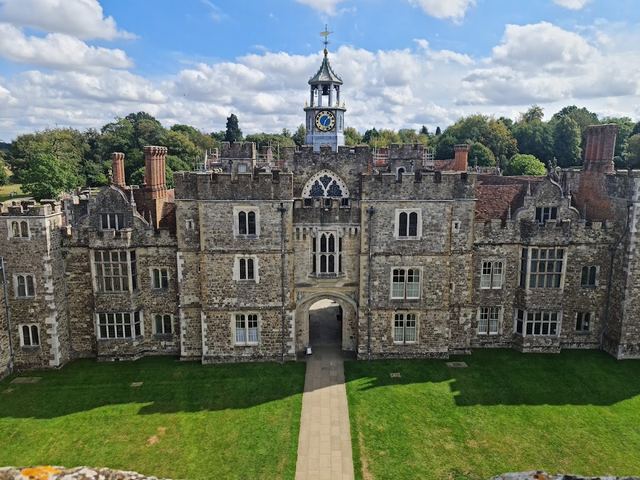
Knole
The Sackville inheritance was argued in open court in 1909 and 1910, when a claimant tried to prove his parents had married and that he, not his cousins, should have the house.