Guide No. 9 · The Stately Homes
Why Stately Homes Became Hotels and Wedding Venues
A surprising number of the houses on this list are not museums and not private homes. They are businesses, and what they offer is a wedding, a weekend or a spa treatment. That is not a loss of nerve on the owners' part. It is arithmetic, and it has been closing in on these houses for about 150 years.
Stately homes became hotels and wedding venues because the income that built them stopped arriving and the cost of keeping them went up. Agricultural rents, which had paid for the great houses, fell heavily from the 1870s. Estate duty, introduced in 1894, climbed from a top rate of 8 per cent to 80 per cent by 1949, so inheriting a house could mean a tax bill worth most of the estate.
From that point a country house had to earn its own keep, and the two uses that reliably produce enough revenue are letting people sleep in it and letting people marry in it. The second of those only became legal in England and Wales in 1995.
The money stopped coming from land
A great house was never meant to pay for itself. It was the visible end of an estate: thousands of acres of let farmland whose rents covered the roof, the staff and the entertaining. That model held for as long as British farming was profitable, and from the 1870s it stopped being so. Cheap grain arriving from North America, and later refrigerated meat from further afield, pushed agricultural prices and rents down for a generation. The house did not shrink to match.
Then came the tax. Sir William Harcourt's Finance Act of 1894 introduced estate duty, a single graduated charge on the whole value of what a person left behind. It began modestly, at 1 per cent, reaching 8 per cent on the largest estates. It did not stay modest. By 1949 the top rate stood at 80 per cent, which meant that a family unlucky enough to lose two heads of the house in quick succession could be taxed twice on the same land inside a decade. Land was sold, contents were sold, and a good number of houses were pulled down rather than kept. The ones still standing are, in part, the ones whose owners found something else for them to do.
What a house actually costs
The running figures explain the rest. Historic Houses, the body representing around 1,450 independently owned houses, castles and gardens across the UK, reports that the average member property spends about £160,000 a year on repairs and maintenance, and puts the sector's outstanding repair backlog at roughly £2 billion, about double what it was before the pandemic. Those are maintenance numbers alone. They do not include heating a building designed when coal was cheap and nobody costed a corridor, nor the staff, nor the insurance.
Against that, admissions revenue is thin. A day visitor pays once, comes in daylight, in season, and mostly in good weather. A wedding party books the whole house, stays the night, eats two meals and pays a four-figure sum for a single Saturday. A hotel guest does something similar, fifty-two weeks a year. Once you see the two numbers side by side, the direction almost every commercially minded owner has taken stops looking like a betrayal of the house and starts looking like the only arithmetic that closes.
The law that created the wedding venue
The wedding half of this story has a precise start date, which is unusual for anything in country house history. Until the mid-1990s, a civil marriage in England and Wales had to take place in a register office. A couple could marry in a church, or they could marry in a municipal room, and that was the choice. A stately home could host the reception but not the ceremony.
The Marriage Act 1994 changed that by allowing local authorities to approve other premises for civil ceremonies, and the regulations bringing it into force took effect on 1 April 1995. Country houses, along with hotels, were among the obvious beneficiaries. Reported figures put the share of marriages taking place in approved premises at around 1 per cent in 1995 and roughly 6 per cent two years later, and the category has grown a great deal since. Arrangements in Scotland and Northern Ireland differ, so the date is not a UK-wide one. But for most of the English and Welsh houses on this list, the wedding business as we now understand it is younger than it looks: a saloon that has been standing for 300 years has been legally able to host the ceremony inside it for about 30.
Four different answers to the same problem
The label "now a hotel" hides at least four quite different arrangements, and the difference matters if you are trying to visit.
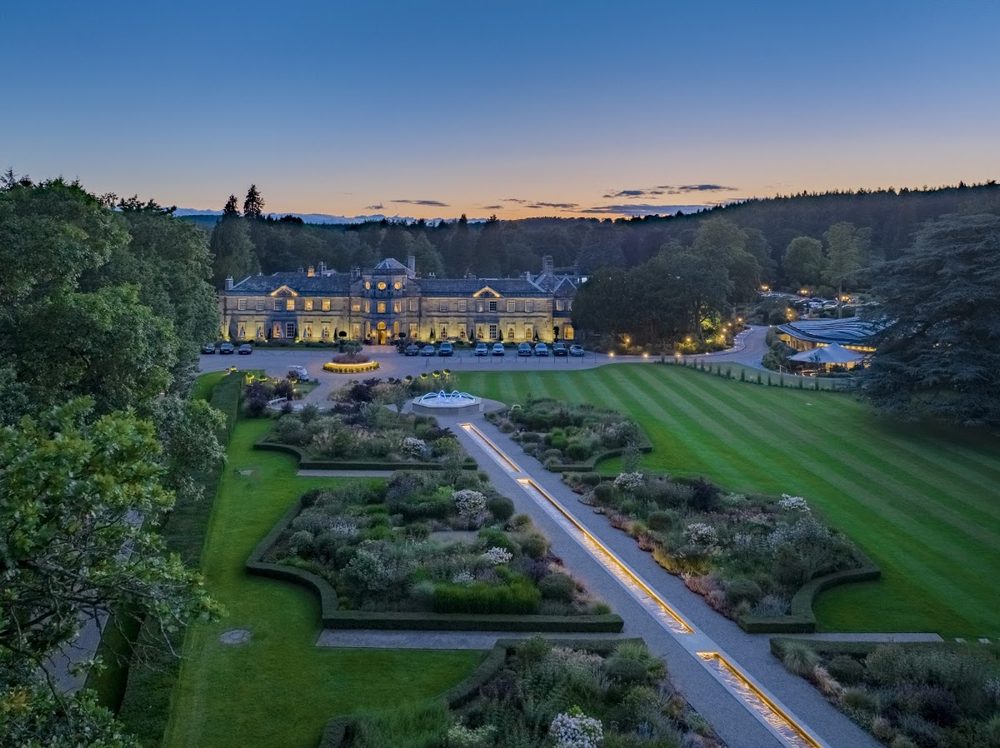
The first is the full commercial conversion. Grantley Hall near Ripon is the clearest recent case: a Grade II* Palladian hall bought by Valeria Sykes in 2015 and reopened in July 2019, after four years of work reported at around £70 million, as a five-star hotel with a spa and a wedding business. The house was saved by being turned into something else entirely, and the two rooms added in the 1740s by Fletcher Norton, 1st Baron Grantley, are still there inside it.
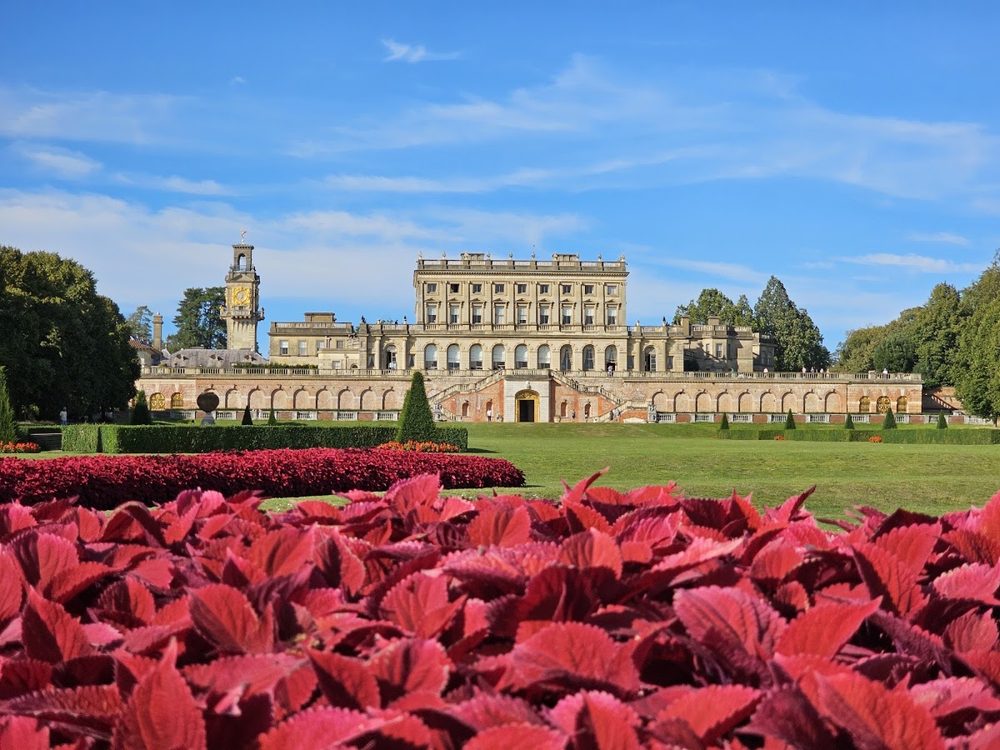
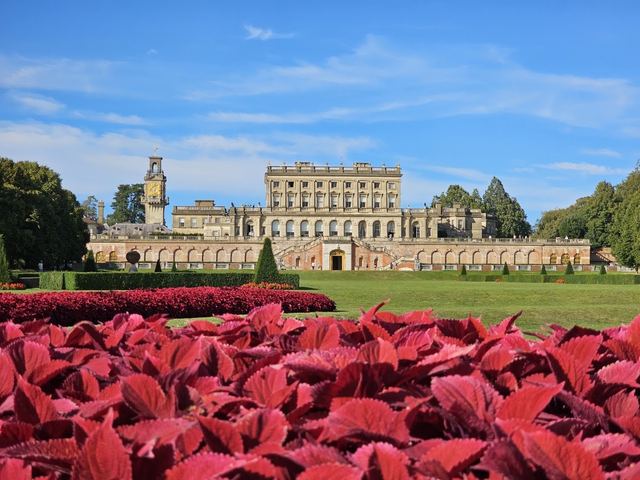
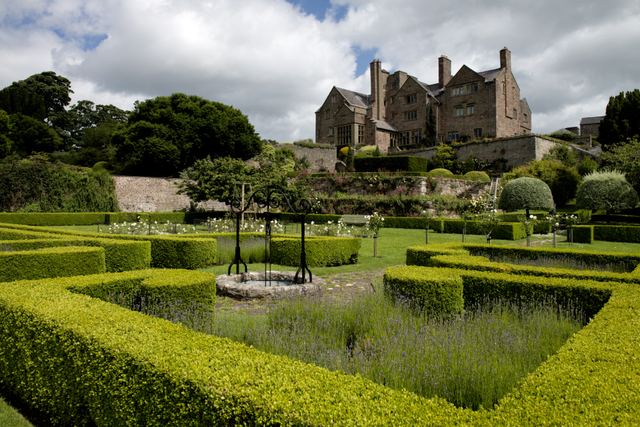
The second is charity ownership with commercial operation, which is stranger than it sounds. Cliveden was given to the National Trust by the Astor family in 1942 on terms that let them stay on; they left in 1966, Stanford University ran it as an overseas campus from 1969, and it has been a hotel since 1985. Bodysgallen Hall above Llandudno went the other way round: it was restored as a hotel by Historic House Hotels from 1980, and in September 2008 the company and its three houses were given to the National Trust, which now owns a hotel it does not subsidise and takes the profits from.
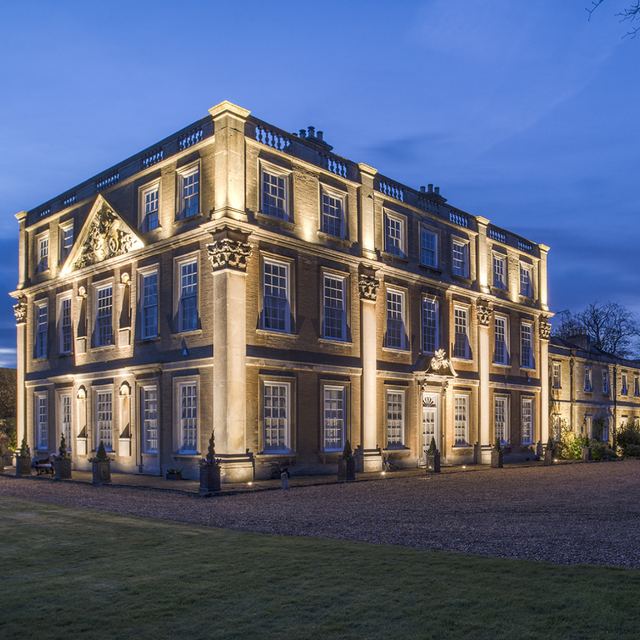
The third is exclusive hire, where the house has no public opening at all. Hinwick House in Bedfordshire and Brympton House in Somerset are both Grade I listed, both substantial, and both known to reviewers almost entirely as places booked whole for a weekend. Caer Beris Manor in Powys shows the model is not fixed: it ran as a country house hotel from 1987 and is now a private exclusive-hire venue instead.
The fourth is the family house that lets rooms out around the edges. Deans Court has been held by the Hanham family since 1548 and still is, but its recent reviews come overwhelmingly from wedding parties. Capesthorne Hall, home of the Bromley-Davenport family for over 300 years, runs weddings, plant fairs and a seasonal Lapland experience while remaining a home. Nether Winchendon House is mainly a wedding venue with only limited public openings, which is why so little of its visitor feedback is about the house at all.
What it costs the house, and the visitor
There are real losses in this. A house run as a venue is arranged for the paying event rather than for interpretation: rooms get cleared, historic furniture is moved or removed, and the calendar is built around bookings, which is why houses like West Wycombe Park close to visitors at short notice for private events. Some of the most interesting houses on this list are effectively unvisitable unless you know someone getting married.
The gain is that the buildings are still there, still heated, still repaired, and still owned by people with a reason to spend on them. Montalto Estate in County Down is a fair example of the compromise working: it earns its keep as a wedding and events estate, and the parkland, woodland and trails stay open to anyone who wants a walk. For a visitor the practical lesson is simply to check before travelling. A house described as open is not necessarily open this Saturday, and the reason will usually be someone's wedding.
Quick answers
Why did so many stately homes become hotels and wedding venues?
Because the income that built them stopped arriving and the tax bill on inheriting them grew. Agricultural rents fell heavily from the 1870s, and estate duty, introduced in 1894, rose from a top rate of 8 per cent to 80 per cent by 1949, so a family could face a bill worth most of the estate's value on each death. A house that had been paid for out of rent now had to earn its own keep, and hotel rooms, weddings and corporate events were the uses that produced enough revenue to cover a roof.
When did stately homes start hosting weddings?
Legally, in 1995. Before then a civil marriage in England and Wales had to take place in a register office. The Marriage Act 1994 allowed local authorities to approve other premises for civil ceremonies, and the regulations bringing that into force took effect on 1 April 1995. Reported figures put the share of marriages held in approved premises at around 1 per cent in 1995, rising to roughly 6 per cent by 1997. Arrangements in Scotland and Northern Ireland differ.
How much does it cost to run a stately home?
More than most visitors expect. Historic Houses, which represents around 1,450 independently owned houses, castles and gardens across the UK, reports that the average member property spends about £160,000 a year on repairs and maintenance alone, and puts the sector's outstanding repair backlog at roughly £2 billion, about double its pre-pandemic level. That is before staff, heating, insurance or anything a visitor actually sees.
Can you visit a stately home that is now a hotel?
Sometimes, and it depends entirely on the house. Cliveden and Bodysgallen Hall are both owned by the National Trust and run commercially as hotels, and at Cliveden the grounds are open to day visitors on a National Trust ticket that does not cover the house. Others, such as Hinwick House and Brympton House, have no regular public opening at all and are let for private weekends and weddings, so the only way in is as a guest.
Who owns stately homes that operate as hotels?
There is no single answer. Some are still owned by the family that built them and let commercially to pay for the fabric. Some were bought outright by new owners and restored as businesses, as Grantley Hall was after 2015. And some are owned by a charity that does not run them: the National Trust was given Historic House Hotels and its three houses, Bodysgallen Hall among them, in September 2008, and the hotels trade as a self-supporting commercial operation with profits going to the Trust.
Where to see it
Ten houses on the list earning their keep commercially, from a full five-star conversion to a family home that opens for weddings:
Grantley Hall
The full conversion: a Palladian hall near Ripon bought by Valeria Sykes in 2015 and reopened in July 2019, after four years of work reported at around £70 million, as a five-star hotel, spa and wedding venue.
Cliveden
Given to the National Trust by the Astors in 1942, a Stanford University campus from 1969, and a hotel since 1985. The grounds are open to day visitors on a Trust ticket that does not include the house.
Bodysgallen Hall
A 17th-century hall near Llandudno restored by Historic House Hotels from 1980, then given with the company to the National Trust in September 2008. It trades as a hotel and spa, with profits going to the Trust.
Goldsborough Hall
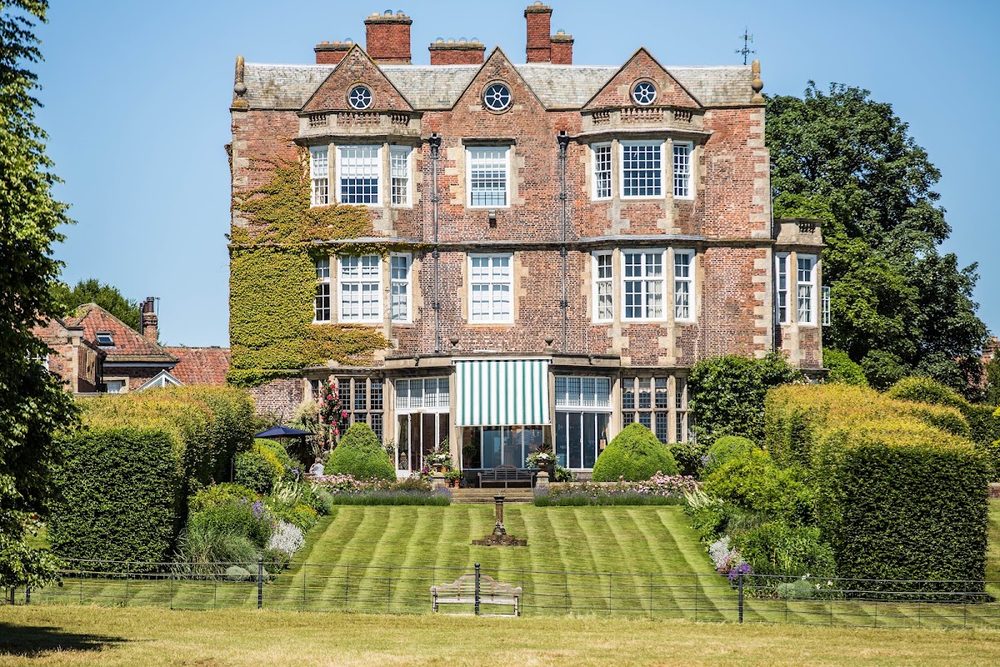
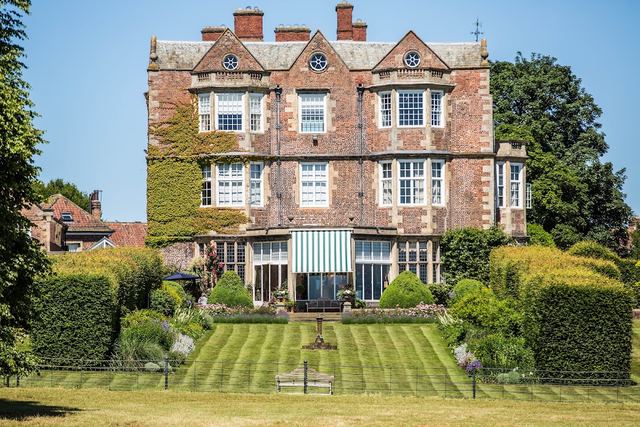
The first marital home of Princess Mary, who lived here from December 1922 until 1930, now run by the Oglesby family as a boutique hotel and wedding venue with the house's own history kept in view.
Hinwick House
A Grade I Queen Anne house of 1708-1714 in 38 acres of Bedfordshire parkland, with no regular public opening. Reviewers know it as an exclusive-hire wedding and private-event venue booked for the weekend.
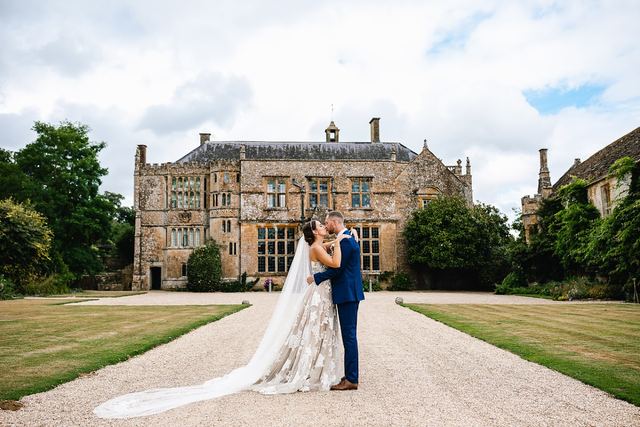
Brympton House
A Grade I Somerset manor with origins around 1220 and 33 acres of listed gardens, now a private wedding and events venue rather than a day-visit attraction.
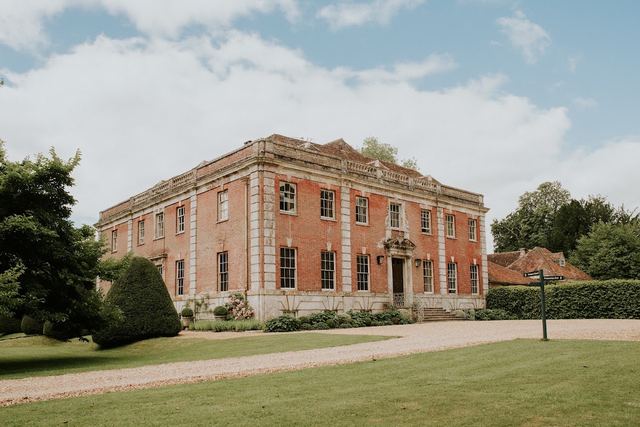
Deans Court
Held by the Hanham family since 1548 and still theirs. Recent reviews come overwhelmingly from wedding parties, several of whom also took the gatehouse and estate cottages for the weekend.
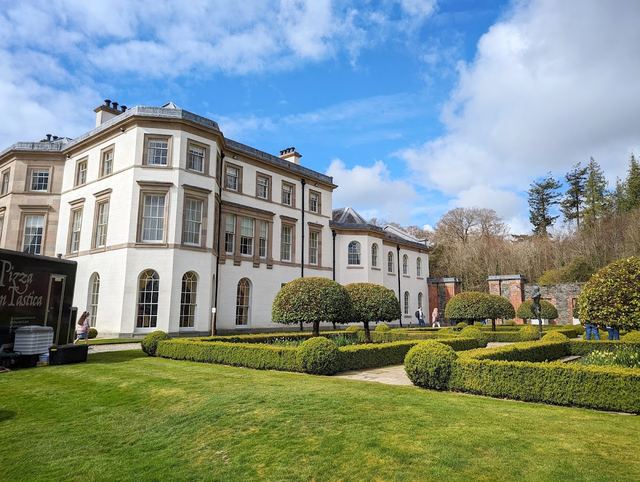
Montalto Estate
A Georgian house and parkland in County Down run as a wedding and events estate, with the grounds, woodland and trails kept open to ordinary day visitors alongside the venue business.
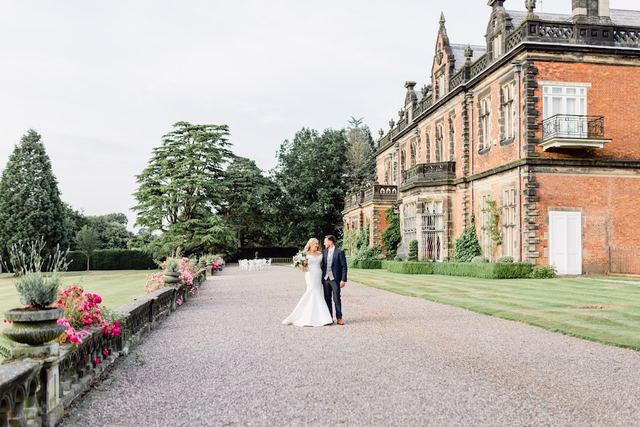
Capesthorne Hall
Home of the Bromley-Davenport family for over 300 years and a working events venue: weddings, plant fairs and a seasonal Lapland experience, with the estate walk open in its own right.
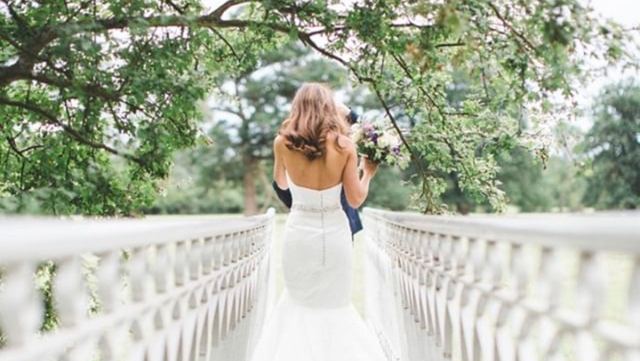
Nether Winchendon House
A medieval and Tudor manor held by the same family for centuries, now used mainly as a wedding venue with only limited public openings, and tours offered in half and full versions.