Guide No. 18 · The Stately Homes
Why Do So Many Stately Homes Have a Ghost Story?
Walk round almost any great house for long enough and someone will tell you about the lady on the stairs. The striking thing is not that the stories exist, but how similar they are to each other, house after house, county after county. Here is where the genre came from, and what visitors to the houses on this list actually report.
The country house ghost story is a folklore genre, not a property feature. Great houses collect it because they supply what the genre needs: centuries of unbroken occupation by one family, a documented history of early deaths and disputed inheritances, a large resident staff who worked the dark parts of the building at night, and a paying public who arrive half wanting to hear one.
None of that makes a haunting more likely. It makes a story much more likely to be started, kept and retold, which is a different claim and a far more interesting one.
What a house needs before a ghost will settle in it
Ghost stories do not attach themselves evenly to buildings. They cluster, and the buildings they cluster on have things in common. The first is time: a house held by the same family for four hundred years accumulates a documented record of people who died young, married badly, lost the estate or killed for it, and every one of those is a figure a story can be hung on. The second is the household. Until the First World War a great house ran on dozens of resident servants who were awake and moving through unlit corridors long after the family had gone to bed, and who talked to each other. That is a transmission system, and it ran continuously for generations.
The third is the fabric itself. Big, cold, sparsely lit rooms with long sightlines, timber that moves, and a scale of building that puts you a long way from anyone else are the conditions under which ordinary perception becomes unreliable and interesting. And the fourth, which arrived last and matters most to how the stories survive, is the visitor. Once people were being shown round, the haunted room became something worth showing.
The same four figures, over and over
Read enough house legends and the cast gets repetitive. The Grey Lady, or White Lady, is the commonest by a distance: a woman who died young or unjustly, named as a specific ancestor, seen on a staircase or at a window. The headless or mutilated figure usually traces back to an execution or a battle in the family's own history. The child appears in houses with a recorded infant death, which is to say almost all of them. And the horse and rider belongs to houses on old routes, where the sound arrives and nothing follows it.
Wilderhope Manor in Shropshire is the fourth type with an unusually solid foundation under it. The Elizabethan house was built in 1585 for Francis Smallman, and during the Civil War it belonged to Major Thomas Smallman, a Royalist. Fleeing Cromwell's men on horseback, he went over the steep edge of Wenlock Edge; the horse was killed and Smallman survived, his fall broken by an apple tree. The spot is still called Major's Leap, and local tradition has both the major and the horse haunting the Edge and the manor. Every part of that except the haunting is on the record, which is exactly how the strongest house legends are built.
The Victorians made it a discipline and then a genre
Individual house legends are often much older than the 19th century, but the shape most visitors now recognise is Victorian. The Society for Psychical Research was founded on 20 February 1882, with the Cambridge philosopher Henry Sidgwick as its first president and Frederic Myers and Edmund Gurney among the founding committee. It was a serious attempt to apply survey method to the question, and its largest piece of work, the Census of Hallucinations published in 1894, sampled 17,000 people; 1,684 of them reported having experienced an apparition. Whatever you make of the conclusions, that is where the modern habit of collecting and comparing accounts begins.
The fiction arrived alongside it and travelled further. M. R. James, Provost of King's College Cambridge and later of Eton, published Ghost Stories of an Antiquary in 1904, having first read the stories aloud to friends and students as Christmas entertainments. His formula was fixed and much copied: a mild, faintly ridiculous gentleman scholar; an English village, seaside town or country estate; an old book or antiquarian object that quietly lets something out. A great deal of what a visitor now half expects to feel in a long gallery at dusk was written by a Cambridge medievalist for an audience of undergraduates.
What visitors on this list actually say
This site does not collect ghost stories, so the only evidence it holds is accidental, which makes it useful. Of the 286 houses on the list, 12 have at least one visitor review that raises a haunting without being asked, and they are spread across 4 of the four UK nations, from Hezlett House in County Londonderry to Athelhampton House in Dorset. That is a small number, and it should be. It counts only what people volunteered.
What they volunteer is rarely an experience. It is almost always a transmission. At Newton House a volunteer showed a visitor a "ghost" photograph hanging on the stairs. At Hezlett House a guide told one that the property was haunted by a formidable old lady, and the visitor concluded she must be the friendliest ghost they had met. At Athelhampton House the ghost in the cellar is presented as part of the visit, and the reviewer treats it as a fun way of learning the history, which is a fairer account of what the genre is for than most ghost hunters manage. At Dalemain Mansion the story has been quietly overwritten: the room once believed to be haunted now holds a museum.
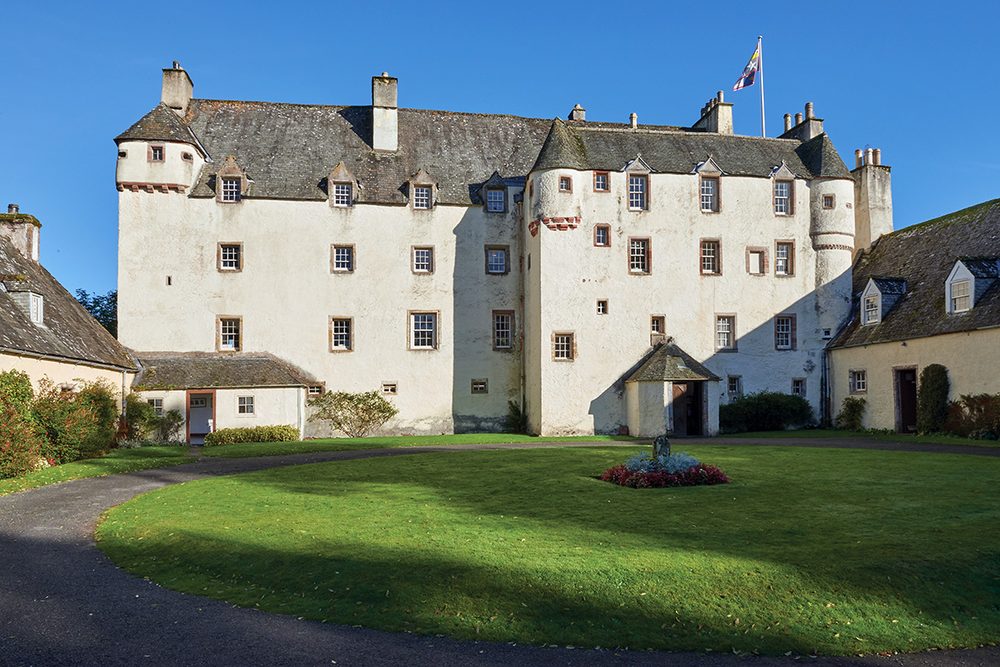
A good share of the rest is commerce rather than folklore. The reviews mentioning ghosts at Longleat, Newhailes and Bowhill are about ghost tours and Halloween events, which have become a serious part of the autumn trading calendar for houses that have to earn their upkeep. And the most honest entry in the whole set is from a visitor to Traquair, whose entire contribution on the subject was that they did not see any ghosts.
The legend usually beats the record
Traquair also supplies the clearest example of how these stories win. In front of the house stand the Bear Gates, put up in 1738 by Charles Stuart, 5th Earl of Traquair. The story every visitor hears is that they were closed after Bonnie Prince Charlie passed through them in 1745, with a vow that they would not open again until a Stuart was back on the throne. The documented version, held by the Royal Commission on the Ancient and Historical Monuments of Scotland, is that the gates were sealed in 1796 on the death of the Countess of Traquair, the 7th Earl vowing to keep them shut. Half a century apart, and only one of the two versions gets repeated.
Nobody lied. The better story simply outlived the duller one, told by people who had every reason to tell it well and no reason at all to check it. That is the whole mechanism, and it is the same mechanism that puts a grey lady on a staircase in a house whose family archive records only that a young woman died there. The stories are not evidence of hauntings. They are good evidence of what these houses meant to the people who lived and worked in them, and that is worth more than a cold spot.
None of which is an argument for scepticism at the door. Ask the room guide. In most houses on this list they will tell you which parts of the story are in the archive and which are not, and the honest answer is usually more interesting than the tour version.
Quick answers
Why do so many stately homes have a ghost story?
Because a great house supplies the conditions a ghost story needs and an ordinary house does not: centuries of continuous occupation by one family, a documented record of early deaths, disputed inheritances and violent politics to hang a figure on, a large resident household who worked the unlit parts of the building at night and passed the stories down, and, from the 19th century onward, a paying public who arrived half hoping to be told one. None of that makes a haunting more likely. It makes a story far more likely to be started, kept and repeated.
What is a Grey Lady?
The Grey Lady, and her close relative the White Lady, is the commonest figure in British country house folklore: a woman who died young or unjustly, usually named as a specific member of the family, and usually seen on a staircase, in a corridor or at a window. The colour comes from the way the figure is described rather than from any single original story, and the same outline is attached to dozens of unconnected houses, which is one reason to treat the type as a folklore convention rather than as separate eyewitness reports.
Are country house ghost stories genuinely old, or a Victorian invention?
Both. Individual house legends are often much older than the 19th century, but the form most visitors recognise was shaped by the Victorians. The Society for Psychical Research was founded on 20 February 1882 with the philosopher Henry Sidgwick as its first president, and its Census of Hallucinations, published in 1894, sampled 17,000 people and found 1,684 who reported having seen an apparition. In fiction, M. R. James set the template with Ghost Stories of an Antiquary in 1904: a mild gentleman scholar, an English village or country estate, and an old book or object that lets something loose.
Which stately homes on this list have visitor-reported ghost stories?
12 of the 286 houses on this list carry a haunting raised by a visitor in their own review, unprompted, spread across 4 of the four UK nations. The full set is on the Reputedly haunted gallery. Several of those reviews are describing a ticketed ghost tour or a Halloween event rather than anything the visitor experienced, which is worth knowing before you plan a trip around one.
Are ghost tours at stately homes a modern thing?
The paid, after-dark tour is modern, and it is now a real part of the autumn trading calendar for houses that need October income. The underlying practice is much older: showing visitors the haunted room was part of the country house tour long before anyone sold a ticket for it, and several of the reviews on this list describe a room guide or volunteer telling the story unprompted during an ordinary daytime visit.
Where the story is still told
Eight houses whose own visitors describe being told a ghost story inside the building, rather than reading one about it afterwards. The full set of 12 is on the Reputedly haunted gallery:
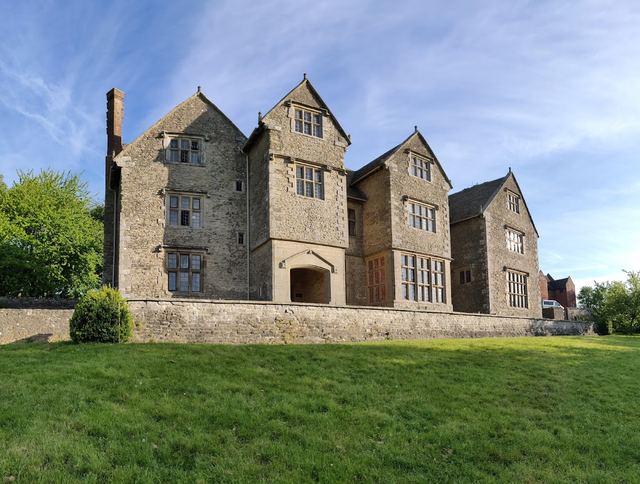
Wilderhope Manor
Home of the Royalist Major Thomas Smallman, whose ride off Wenlock Edge gave Major's Leap its name. Local tradition puts both man and horse on the Edge and in the manor. Now a YHA hostel, so you can sleep in it.
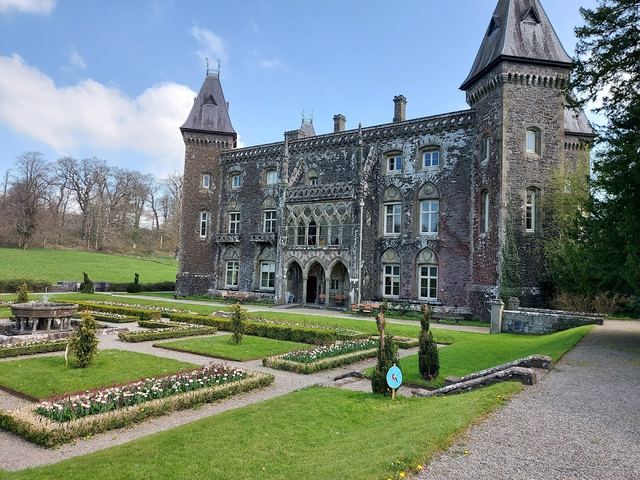
Newton House, Dinefwr
A reviewer records a volunteer showing them a 'ghost' photograph hanging on the stairs, which is the country house ghost story doing exactly what it has always done: passing from the staff to the visitor, in the room it belongs to.
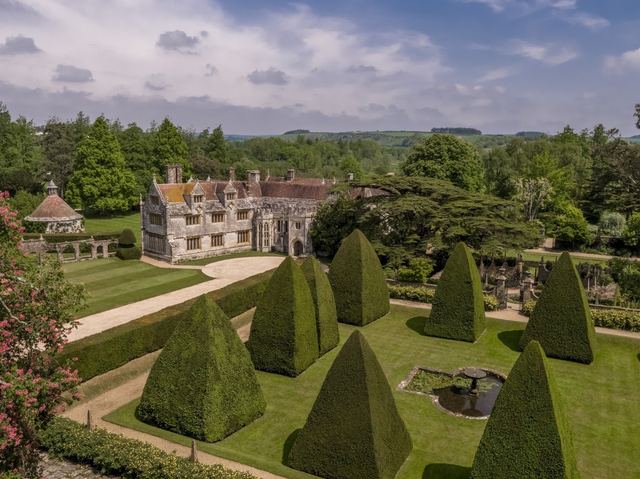
Athelhampton House
A 15th-century Dorset manor where the ghost in the cellar is part of what visitors are shown. One reviewer calls it a fun way of learning some of the house's history, which is a fair description of the genre's real function.
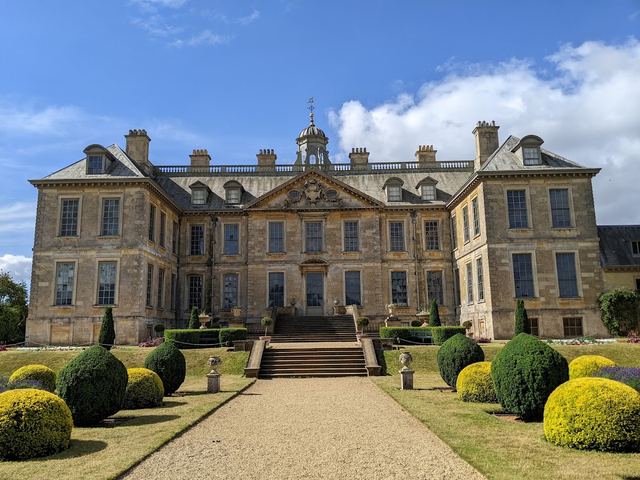
Belton House
A Restoration house whose reviewers mention a gamekeeper caught in the corner of the eye and other ghosts said to roam. Belton is also one of the most-reviewed houses on the list, so the story reaches a very large audience.
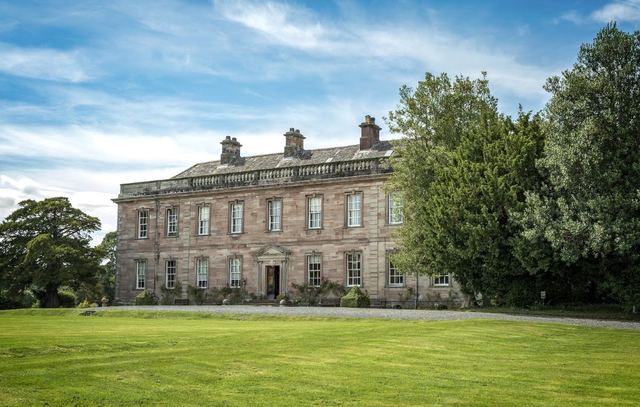
Dalemain Mansion
Occupied by the same family for over 300 years. A visitor notes that one of the museum rooms was once believed to be haunted, the ordinary fate of a haunted room in a house that has to earn its keep.
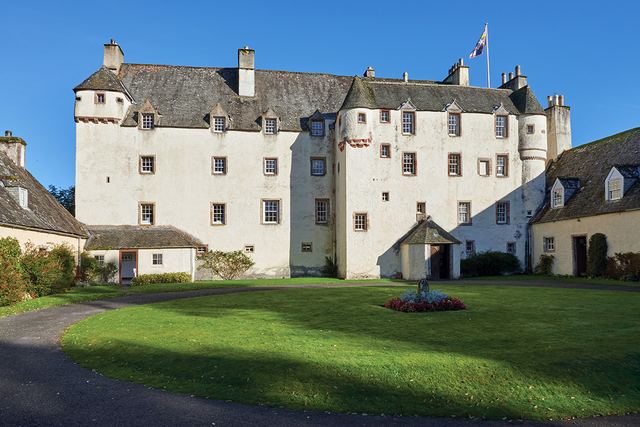
Traquair House
Said to be Scotland's oldest continuously inhabited house, and the site of the Bear Gates, whose famous closing story and whose documented one do not match. A reviewer's whole contribution on the subject: did not see any ghosts.
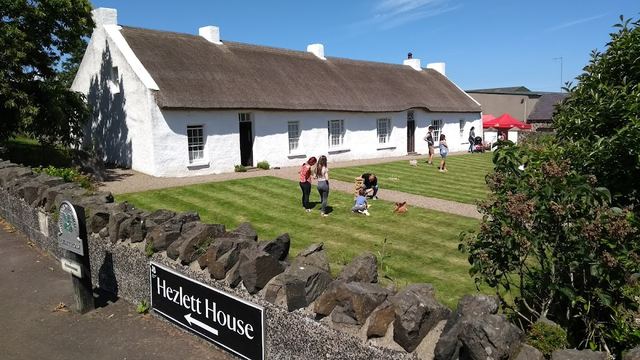
Hezlett House
A 17th-century thatched house in County Londonderry, and proof the genre is not confined to grand architecture. A guide told one visitor the property was haunted by a formidable old lady, who they judged the friendliest ghost.
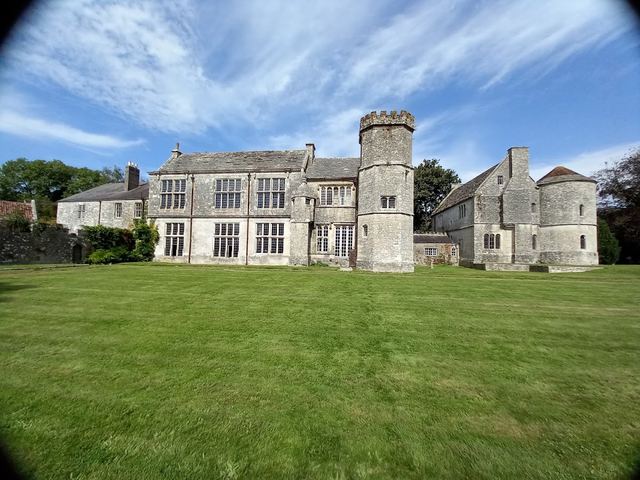
Wolfeton House
A medieval and Tudor Dorset manor still lived in by descendants of the Trenchard family, where visitors are handed a guide and left to walk round alone. One reviewer's verdict after a stay: spooky and wonderful.