Guide No. 8 · The Stately Homes
Great Country House Fires
A great house is a building full of dry timber, open flame and long distances, with the nearest fire engine an hour away down a country lane. What is surprising is not that so many burned, but how differently their owners answered the same question afterwards: rebuild it, replace it, or leave it.
Fire has done more damage to Britain's country houses than any war. The causes were mundane - a candle, a blocked chimney, faulty wiring, a blowtorch on a lead roof - but the buildings were close to ideal for spreading a fire and close to impossible to save one in: timber roof structures, long connected ranges, no water at pressure, and a fire brigade that had to come from the nearest town.
What happened next varied enormously. Some houses were rebuilt grander than before, some were rebuilt exactly as they had been, and some were roofed over and left hollow, which is why a few of the most striking rooms open to visitors today have nothing in them at all.
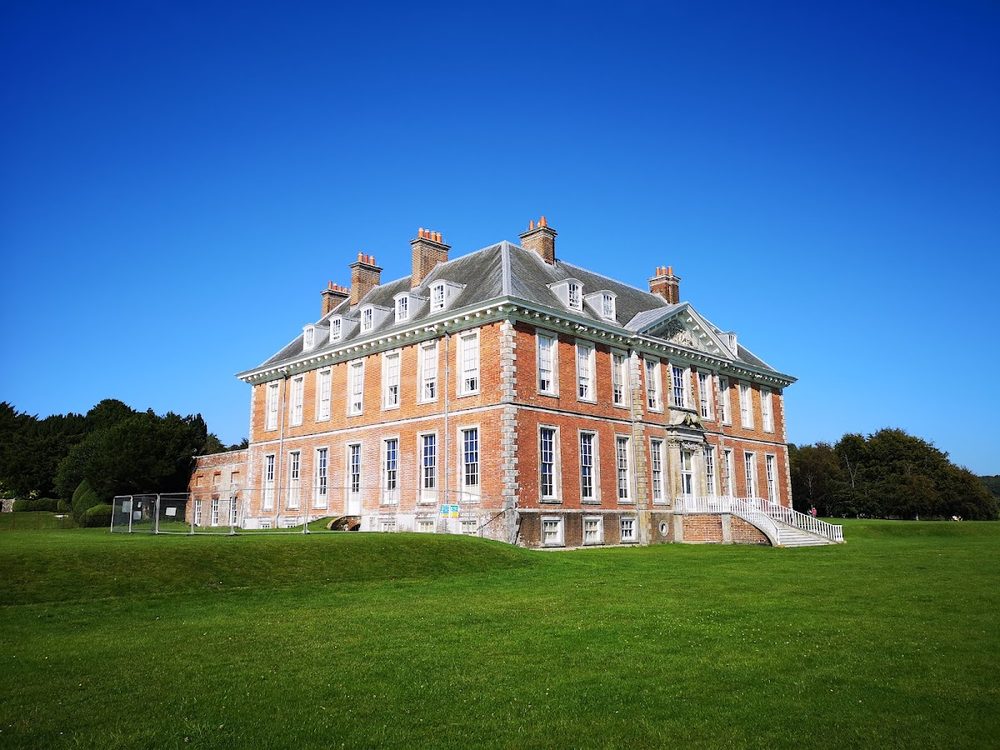
The one everybody in the business remembers
Uppark caught fire on 30 August 1989, while workmen were repairing lead flashing on the roof with a blowtorch. The garret and first floors collapsed, and their contents were lost completely. What saved the rest was a salvage chain: members of the Meade-Fetherstonehaugh family, National Trust staff and members of the public carried paintings, furniture and fittings out of a burning building through the night.
The decision afterwards was the interesting part. The Trust chose to reinstate the house as it had been the day before the fire, down to the finishes - a choice helped by the unglamorous fact that restoration worked out cheaper as an insurance settlement than a total-loss payout. Craft skills that had effectively died out had to be relearned to do it. Uppark reopened in 1995, and the ordinary visitor now walks through rooms that look untouched by anything.
Why these buildings burned
The recurring causes are unromantic. Open flame was everywhere before electricity: at Cliveden the first house burned in 1795, reportedly after a servant knocked over a candle, and the replacement burned again in 1849, that time blamed on the decorators. The house standing there now is the third on the site, built by Charles Barry for the 2nd Duke of Sutherland, and the enormous 17th-century terrace it sits on is the one part of the original that survived both fires.
Chimneys were the other constant, sometimes for reasons nobody could have anticipated. Seaton Delaval Hall, John Vanbrugh's Baroque house on the Northumberland coast, lost its central block in 1822 to a fire said to have been caused by jackdaws nesting in a chimney. At Hatfield House in 1835 the west wing burned and the 1st Marchioness of Salisbury died in it; the chapel survived, according to the estate's own account, because the heat burst the lead water tanks in the attics at the same moment the wind changed and torrential rain began to fall.
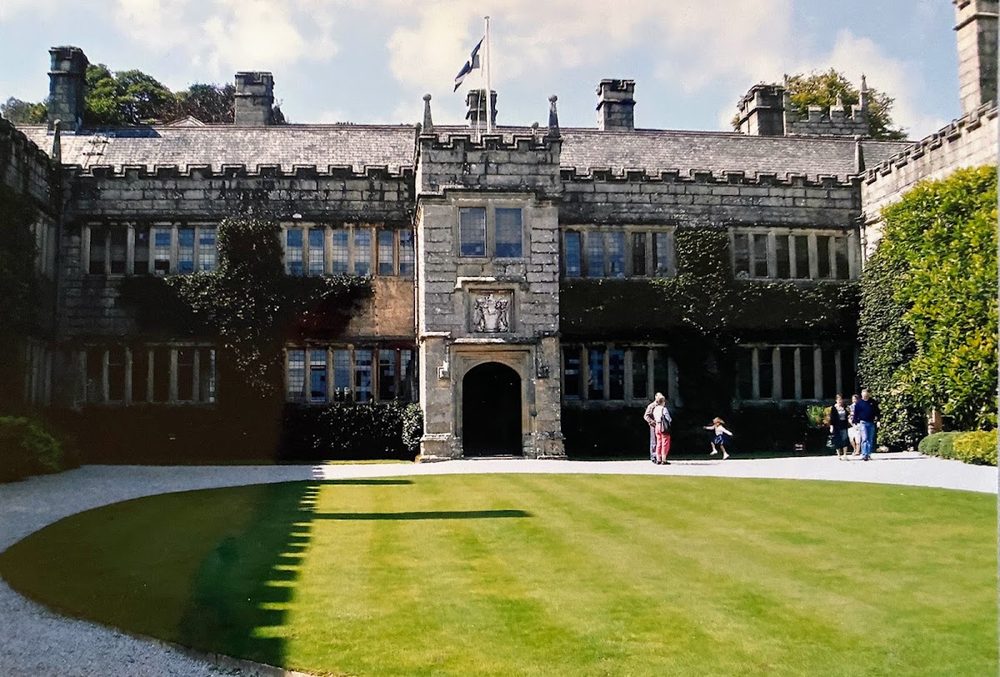
Then there is weather and distance. At Lanhydrock on 4 April 1881 a fire that started in the kitchen was driven through the house by a near gale-force wind; only the north wing with its 116-foot Long Gallery, the front porch and the gatehouse came through it intact. Lady Robartes died five days later from smoke inhalation, and her husband died the following year. And at Castle Howard on 9 November 1940, it took the Malton and York fire brigades eight hours to bring the blaze under control, by which time the dome had collapsed into the Great Hall, taking Pellegrini's painted ceiling with it. Around twenty pictures were lost, two of them Tintorettos. Schoolgirls from Queen Margaret's School, evacuated to the house for the war, are reported to have helped carry paintings out.
Rebuilt, and usually rebuilt bigger
The Victorian answer to a fire was rarely to reproduce what had been there. Lanhydrock came back as a thoroughgoing high-Victorian house under the local architect Richard Coad, with the Jacobean survivals folded into it - which is why the tour today runs through kitchens, sculleries, nurseries and servants' bedrooms as much as state rooms, and is one of the longest the National Trust runs.
Holker Hall in Cumbria lost its west wing in 1871, along with an estimated 103 works of art including paintings attributed to Canaletto, Rubens and Holbein. The Duke of Devonshire had it rebuilt by Paley and Austin on the same footprint but on a grander scale, adding two towers, in Elizabethan Revival style, at a cost of around £38,000. Stansted Park took the opposite approach after its main block burned in 1900: Arthur Blomfield rebuilt it on the exact footprint in the style of Wren, finishing in 1903, and the stables and service wing that had escaped the fire were simply reattached to a new house.
The 20th century produced the most personal version of this. Hinton Ampner burned in April 1960, with nearly every room damaged by fire or smoke. Ralph Dutton lost his entire library and the Angelica Kauffman painted roundels he had installed in the dining room twenty years earlier. He started rebuilding within days, finished in May 1963, took the roofline back to Georgian proportions while he was at it, and then spent the rest of his life buying replacements. He left the house to the National Trust on his death in 1985, furnished much as he had arranged it.
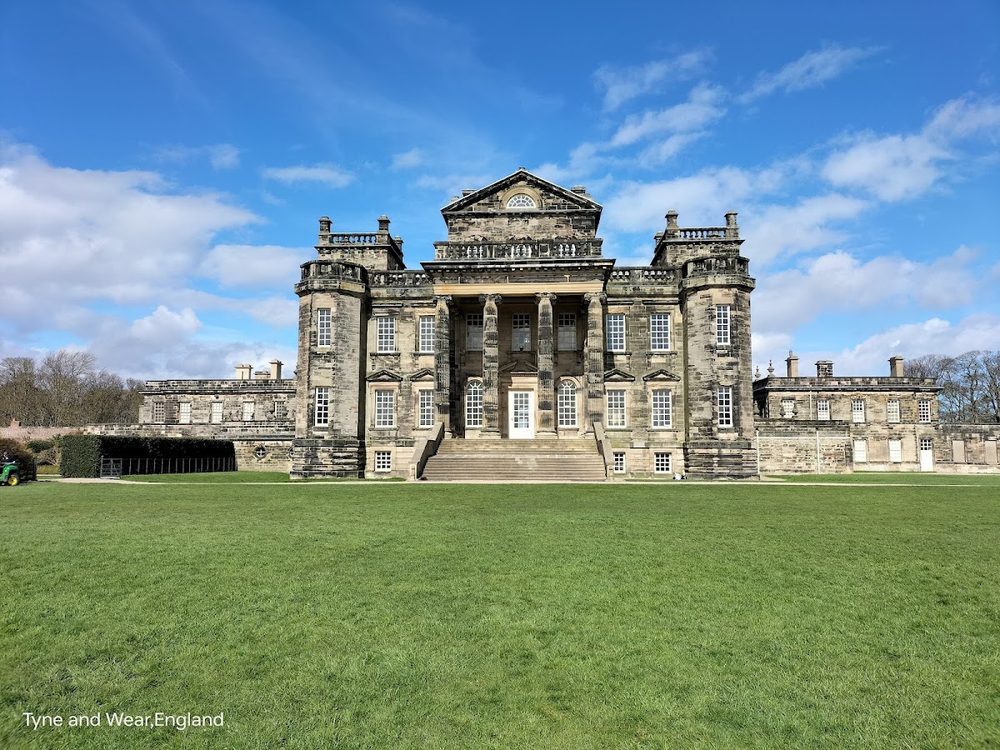
The ones that were never put back
Not every family could afford an answer. Seaton Delaval's central block was re-roofed by John Dobson in 1862-63 but left hollow inside, and it has stayed that way; the National Trust took the hall on after a £6.3 million appeal launched in 2008 succeeded the following year. Standing in that shell, under Vanbrugh's surviving stonework, is now the main reason people visit.
Bramham Park in Yorkshire went further. After the fire of 1828 the owner moved to another house nearby and the building was left empty and derelict for eighty years, until his grandson had the interior restored in the early 20th century with the architect Detmar Blow. Castle Howard shows the same thing at the scale of one wing: the dome was rebuilt in 1960-61 with its ceiling repainted by the Canadian artist Scott Medd, but rooms lost in 1940 were still being restored decades later, including the Tapestry Drawing Room.
The argument that is still live
Clandon Park in Surrey, a Palladian house of the 1730s, burned on 29 April 2015; the investigation concluded the cause was probably a fault on an electrical distribution board in the basement. Only the Speaker's Parlour came through largely intact, and around 600 significant items were rescued. The National Trust's first instinct was an Uppark-style restoration, and in 2022 it changed its mind: restore the exterior walls, roof, windows and that one room, and conserve the rest of the interior in its burnt state as something visitors can walk into and read. The reaction was sharply divided, and the Trust's plan puts reopening at 2029.
Both positions have a case. Uppark argues that a house is its rooms, and that reproducing them faithfully keeps the building doing what it was built to do. Clandon argues that a burnt interior is itself now part of the history and that a careful copy is a different object from the thing that was lost. The houses in this guide have been answering that question, one at a time, for two hundred years, and no two of them have answered it quite the same way.
Quick answers
Which stately homes have been destroyed by fire?
A great many, and several on this list. Cliveden burned twice, in 1795 and 1849. Seaton Delaval Hall's central block was gutted in 1822 and Bramham Park in 1828. Hatfield House lost its west wing in 1835, Lanhydrock nearly everything but its north wing in 1881, Holker Hall its west wing in 1871, Stansted Park its main block in 1900. Castle Howard's dome fell into the Great Hall in 1940, Hinton Ampner burned in 1960, and Uppark in 1989.
What caused most country house fires?
Ordinary things in an unforgiving building. Candles and open fires were the usual culprits before electricity, and faulty wiring took over afterwards. Chimneys were the weak point either way, sometimes because they were blocked: Seaton Delaval's 1822 fire is said to have been started by jackdaws nesting in one. Repair work is the other recurring cause, since roof work involves heat directly above dry timber - the blowtorch that started the Uppark fire in 1989 was being used to repair lead flashing.
Was Uppark rebuilt after the 1989 fire?
Yes, and unusually faithfully. The National Trust decided to reinstate the house as it had been the day before the fire rather than leave it a ruin or rebuild it in a modern idiom - a decision helped by the fact that restoration was a cheaper insurance settlement than a total-loss payout. Craft techniques had to be relearned to do it. Uppark reopened to visitors in 1995.
Why are some fire-damaged houses left as ruins?
Usually money, sometimes conviction. A family that could not afford to rebuild simply roofed over what was left and lived in the surviving wing, which is how Seaton Delaval Hall's central block came to be an empty shell for two centuries. The modern version of the argument is different: at Clandon Park in Surrey, gutted in 2015, the National Trust decided in 2022 to restore the outer walls, roof, windows and one surviving room and to conserve the rest in its burnt state as something visitors can walk through.
Can you visit a country house that burned down?
Yes - most of the houses in this guide are open. Some show almost no trace of what happened, because they were rebuilt to look as though nothing had: Uppark and Hinton Ampner both read as intact historic interiors. Others make the fire part of the visit, including Seaton Delaval Hall, where the shell of the central hall is the thing people come to stand in.
Where to see it
Ten houses on the list with a documented fire behind them, from the one rebuilt exactly as it was to the one that was never finished again:
Uppark
Burned on 30 August 1989 when a workman's blowtorch set the roof alight. Put back exactly as it had been the day before, and reopened in 1995 - the most complete country house restoration attempted in Britain.
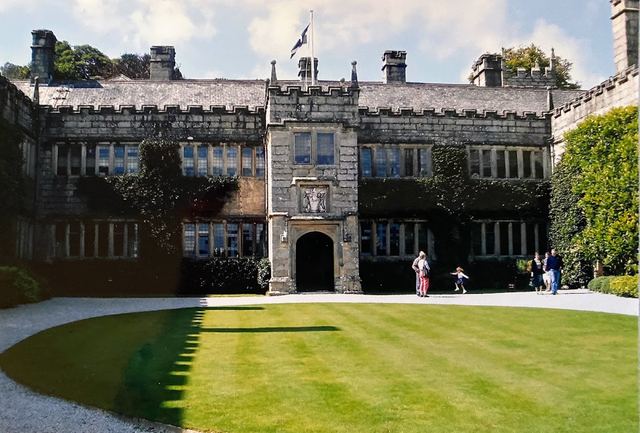
Lanhydrock
A kitchen fire on 4 April 1881 and a near gale-force wind took everything but the north wing, the porch and the gatehouse. Rebuilt as a high-Victorian house, and now one of the longest house tours the National Trust runs.
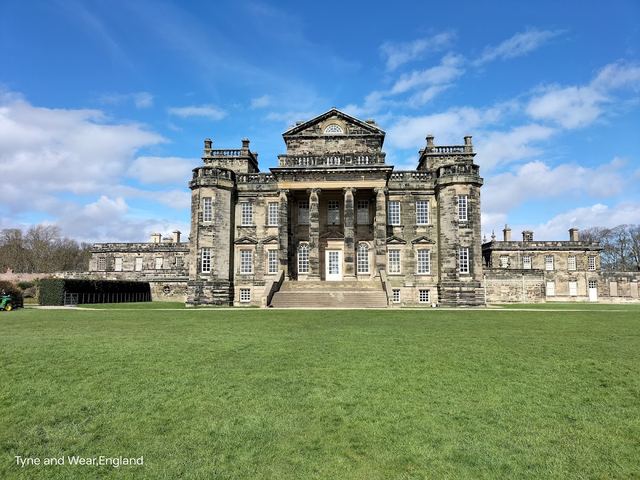
Seaton Delaval Hall
Vanbrugh's central block was gutted in 1822, in a fire said to have started with jackdaws nesting in a chimney, and has been an empty shell ever since. John Dobson re-roofed it in the 1860s; the inside was never put back.
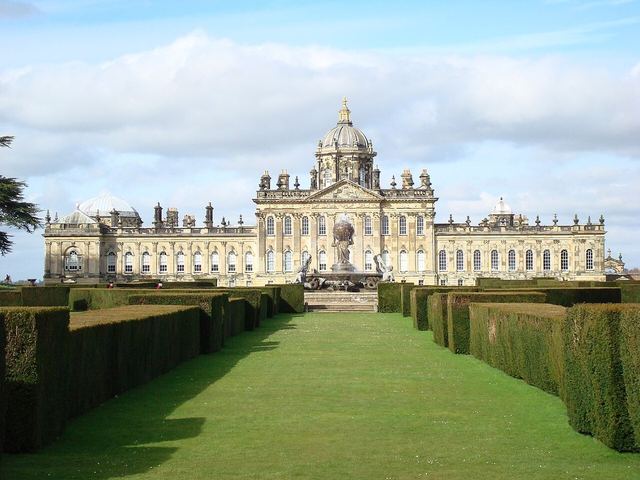
Castle Howard
The dome fell into the Great Hall on 9 November 1940. Rebuilt in 1960-61, with the ceiling repainted by the Canadian artist Scott Medd, and rooms lost that night are still being restored today.
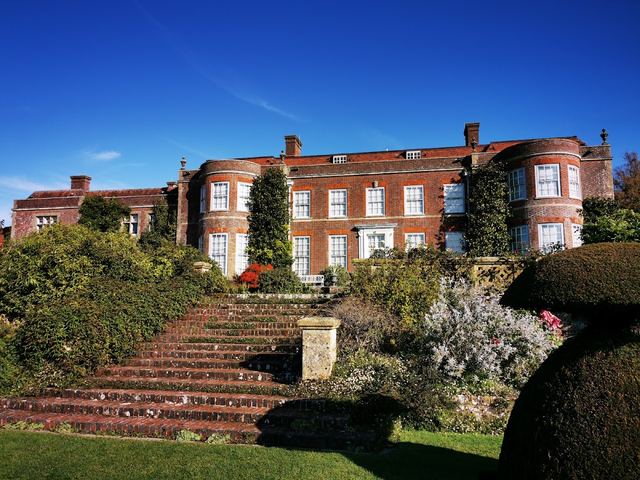
Hinton Ampner
Burned in April 1960, taking Ralph Dutton's library and his Angelica Kauffman roundels with it. He began rebuilding within days and finished in May 1963, taking the roofline back to Georgian proportions.
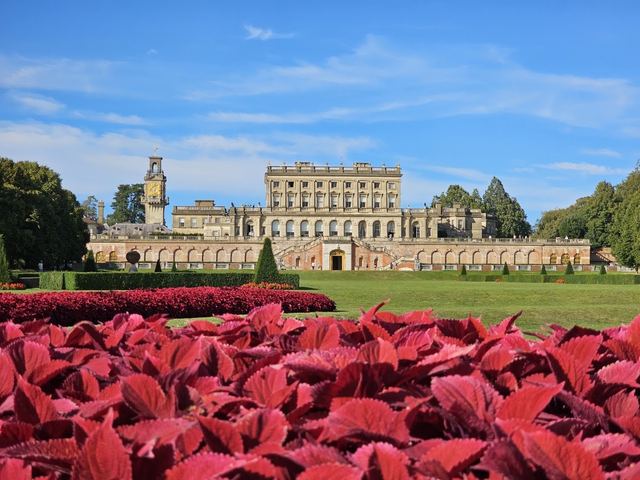
Cliveden
Burned twice: in 1795, reportedly after a servant knocked over a candle, and again in 1849. The house you see is the third on the site, by Charles Barry, but the great 17th-century terrace under it survived both fires.
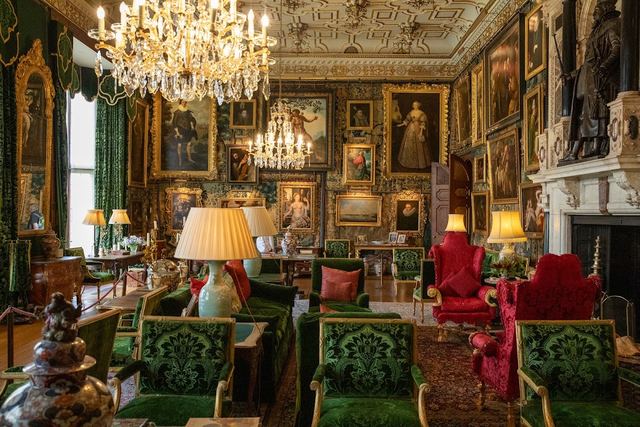
Hatfield House
The west wing was destroyed in 1835 and the 1st Marchioness of Salisbury died in it. The chapel survived because the heat burst the lead water tanks in the attics just as the wind changed and rain began to fall.
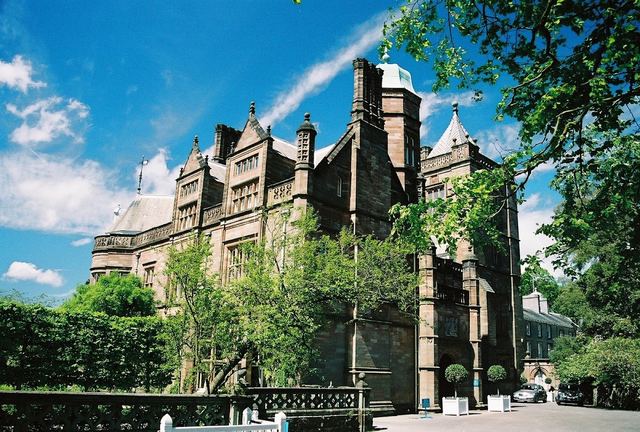
Holker Hall
The west wing was almost entirely destroyed in 1871, along with an estimated 103 works of art. Paley and Austin rebuilt it on the same footprint but grander, in Elizabethan Revival style, for about £38,000.
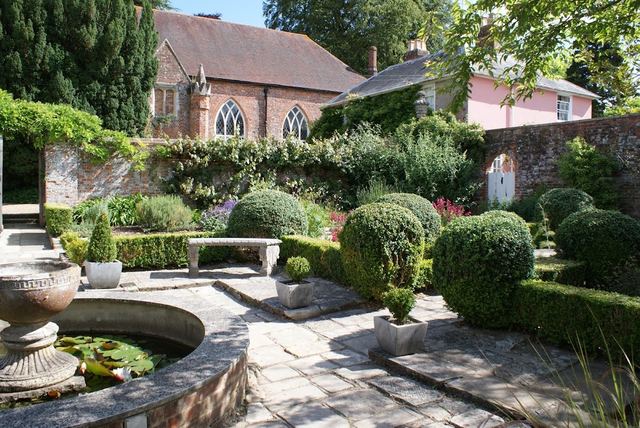
Stansted Park
The main block burned in 1900 while the stables and service wing escaped. Arthur Blomfield rebuilt it on the exact footprint in the style of Wren, finishing in 1903.
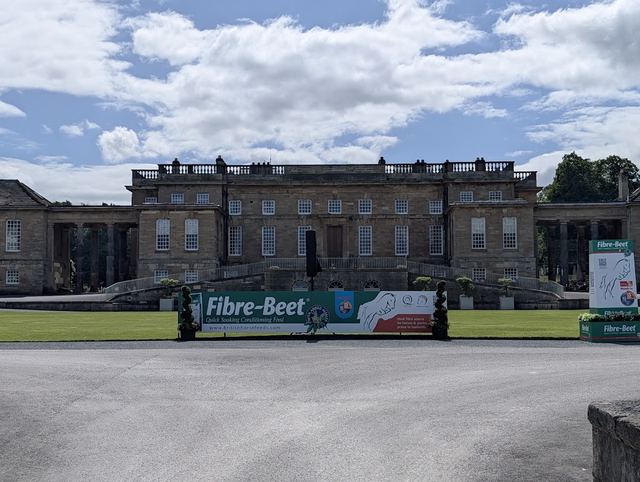
Bramham Park
Burned in 1828 and then left empty for eighty years while the family lived elsewhere. Detmar Blow restored the interior in the early 20th century for the grandson of the owner who walked away from it.