Guide No. 11 · The Stately Homes
The Season and the Country House Party
For about a century, a small number of British families lived to a fixed annual timetable: London while Parliament sat, the country once it rose. The second half of that year is the reason so many of these houses have thirty bedrooms, two staircases and more drawing rooms than any family could use.
A country house party was a stay of several days at a private estate, arranged by a host and hostess who supplied every guest with a bedroom, three meals a day and something to do between them. In its Victorian and Edwardian heyday it was the second half of a social calendar whose first half was the London Season.
It was not an occasional treat. It was the working machinery of a class - where marriages were arranged, political alliances tested and reputations made or lost - and it left its marks on the buildings it happened in.
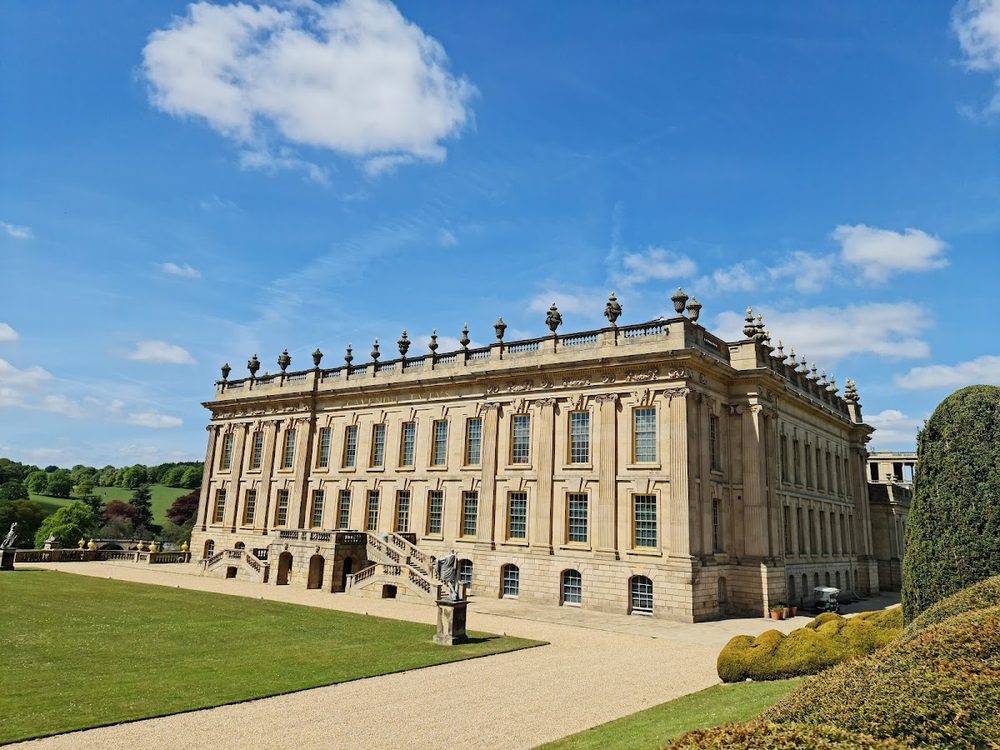
A calendar built around Parliament
The Season ran in step with the parliamentary session. Society came up to town some time after Christmas and stayed through the spring, into a crowded midsummer of balls, dinners, racing and presentations at court, where young women were formally introduced to the monarch at the Court Drawing Rooms and thereby marked as available to marry. That ritual outlasted the world it belonged to by several decades, and was finally abolished by Elizabeth II in 1958.
The traditional close of the Season was the Glorious Twelfth of August, the opening of the red grouse shooting. From that date the direction of travel reversed: London houses were shut, and society dispersed to the country to shoot birds through the autumn and hunt foxes through the winter before coming back with the spring. The country house party filled the half of the year the town house stood empty.
What the railways changed
Visiting a country house was nothing new. Doing it in numbers, at short notice, and for two nights rather than two weeks, was. The railways changed the arithmetic entirely: a guest could leave a London house after breakfast, be met at a country station by the host's carriage the same afternoon, and be back at a desk or in the Commons on Monday. That is why the short stay became the standard unit of country entertaining rather than the exception. Contemporaries called it a Saturday-to-Monday; "week-end" was then a newer word and not quite a polite one.
The house as a machine for hosting
Waddesdon Manor in Buckinghamshire is the clearest case, because it was built for the job and for very little else. Baron Ferdinand de Rothschild put it up through the 1870s and 1880s as a weekend residence for entertaining and for housing his collection. Parties ran between May and September and usually numbered 14 to 20 guests; the first big one, in May 1880, was seven close friends and a firework display. Within a few years the house was not large enough, and the Bachelors' Wing on the east side was extended after 1885 to take more of them. Twenty-four house staff kept the whole thing moving. When Queen Victoria visited in 1890, what caught her attention was the electric light, fitted into the chandeliers to look like candles.
The same pressure worked on every part of a plan. A house that entertained needed bedrooms for the guests and rooms again for the valets and lady's maids they brought with them, so a party of twenty could mean forty extra people sleeping under the roof. It needed more than one reception room, so a large party could break into smaller ones. And it needed service stairs and back corridors so that food, coal, hot water and laundry could cross the house all day without a guest ever seeing them move.
Manderston in the Scottish Borders was rebuilt on exactly that brief between 1901 and 1903. Sir James Miller reportedly told his architect, John Kinross, that cost did not matter, and the result runs from a silver-plated staircase upstairs to service quarters so complete that Channel 4 filmed The Edwardian Country House there in 2002.
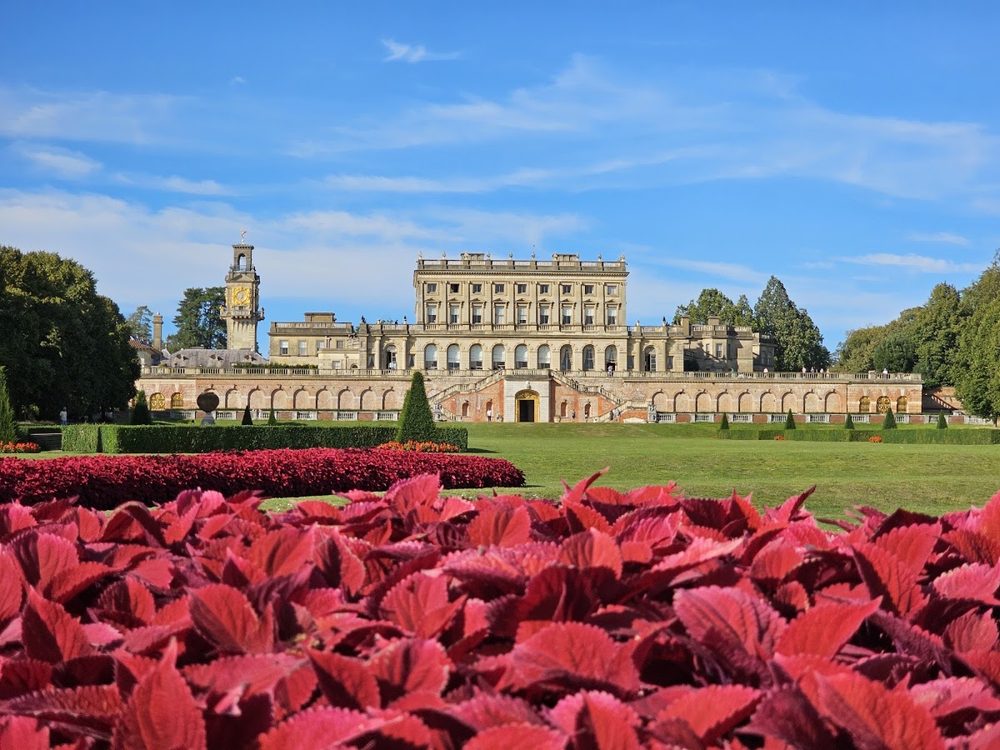
Shooting, and the clocks at Sandringham
The autumn half of the calendar ran on birds, and the driven shoot was the reason a great many of these invitations were issued at all. How seriously it was taken can be measured at Sandringham House, where from 1901 the household clocks were kept half an hour ahead of the rest of the country, purely to get more usable daylight out of a short winter shooting day. The estate lived on its own time for thirty-five years and through two reigns before Edward VIII abolished the practice in 1936.
The hostesses
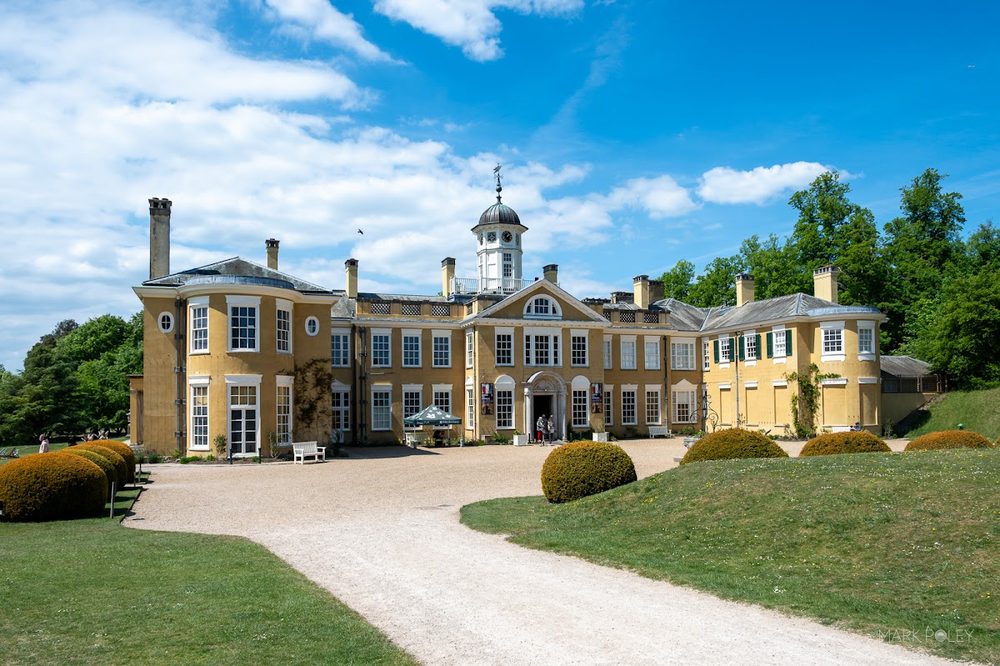
Invitations came from a hostess, and the effective ones held real power over who met whom. Margaret Greville had Polesden Lacey in Surrey remodelled in 1906 by Mewes and Davis, the architects of the Ritz, and spent three decades entertaining there; in 1923 she lent the house to the Duke and Duchess of York, who spent a fortnight of their honeymoon in it. At Cliveden, given to the 2nd Viscount Astor and his wife Nancy as a wedding present in 1906, guests across the following decades included Charlie Chaplin, Winston Churchill, George Bernard Shaw, T. E. Lawrence and Edith Wharton, with boating on the Thames, riding, tennis and swimming laid on outside. At Chatsworth House the 8th Duke of Devonshire and his wife Louise, universally known as the Double Duchess, entertained Edward VII and Queen Alexandra regularly enough that the estate archive holds photographs of a royal house party there in January 1906.
Not everybody enjoyed it
The romance of all this is largely retrospective. Consuelo Vanderbilt married the 9th Duke of Marlborough in 1895 and arrived at Blenheim Palace at eighteen; her memoir, The Glitter and the Gold, is one of the frankest surviving accounts of the balls and the weekend parties from the inside, and it is not an affectionate one. Visiting Cliveden in 1936, the diplomat Harold Nicolson thought the spectacle had, in his phrase, "a ghastly unreality", like living on a stage set. For the staff the arithmetic was simpler still: every guest who arrived for a restful few days in the country generated work for somebody who did not get one.
Where it went
The pattern held until the costs that ended so much else about the country house caught up with it. Falling agricultural rents, death duties and the disappearance of large indoor staffs made a household of thirty guests and forty servants impossible to run out of private income. The houses that survived did so by selling the experience rather than giving it away, as hotels, wedding venues and exclusive-hire estates. The country house weekend did not really disappear. It started being invoiced.
Quick answers
What was a country house party?
A stay of several days at a private country estate, arranged by a host and hostess who supplied every guest with a bedroom, three meals a day and something to do in between - shooting, riding, tennis, cards, dancing. Guests usually brought their own valet or lady's maid, who had to be housed and fed as well, so a party of twenty people could mean forty extra bodies in the house.
When was the London Season?
It ran in step with the sitting of Parliament: society came up to town some time after Christmas and stayed through the spring and into a crowded midsummer of balls, dinners, court presentations and racing. The traditional end of the Season is the Glorious Twelfth of August, the opening of the red grouse shooting, after which society left London for the country to shoot through the autumn and hunt through the winter.
What was a Saturday-to-Monday?
The short country house visit that became the standard unit of entertaining once the railways made it practical - a guest could leave London in the morning and be met at a country station by the host's carriage the same day. Contemporaries called it a Saturday-to-Monday rather than a weekend, which was then a newer and less genteel word.
How did house parties change the way country houses were built?
They set the brief. A house expected to entertain needed bedrooms for the guests and more rooms again for the servants they arrived with, several reception rooms so a large party could split up, and back stairs and service corridors that let food, coal and hot water move through the house without crossing a guest. Waddesdon Manor is the clearest case: built for entertaining, then extended anyway, with the Bachelors' Wing enlarged after 1885 to take more guests.
What were debutantes and when did presentations end?
Young women of the class were formally introduced into society by being presented to the monarch at the Court Drawing Rooms during the Season, which marked them as available to marry. The presentations outlasted the world they belonged to by decades and were abolished by Elizabeth II in 1958.
Where the parties happened
Eight houses on the list built for entertaining, famous for it, or still carrying the marks of it:
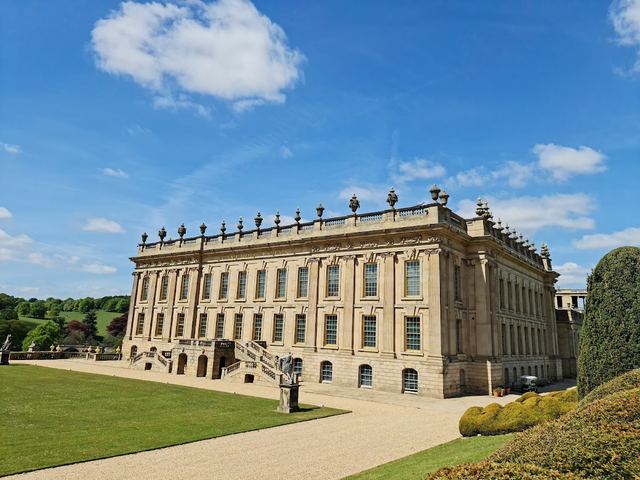
Chatsworth House
The 8th Duke of Devonshire and his wife Louise, the Double Duchess, entertained Edward VII and Queen Alexandra regularly. The estate's own archive holds photographs of a royal house party held here in January 1906.
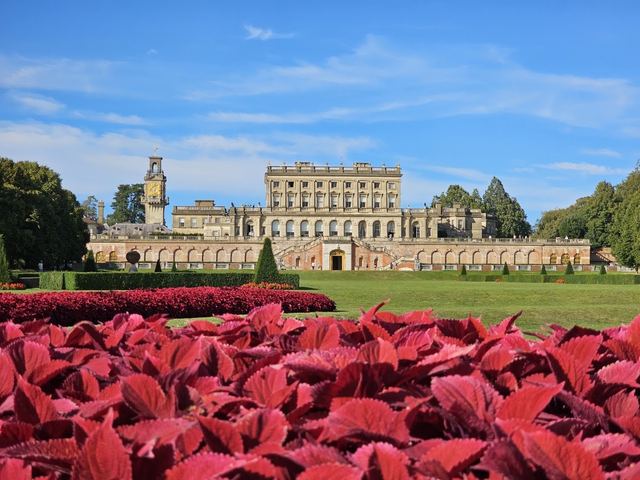
Cliveden
Given to the 2nd Viscount Astor and his wife Nancy as a wedding present in 1906 and used for entertaining on a lavish scale, with the Thames, tennis, riding and swimming laid on. Guests over the following decades included Charlie Chaplin, Winston Churchill and George Bernard Shaw.
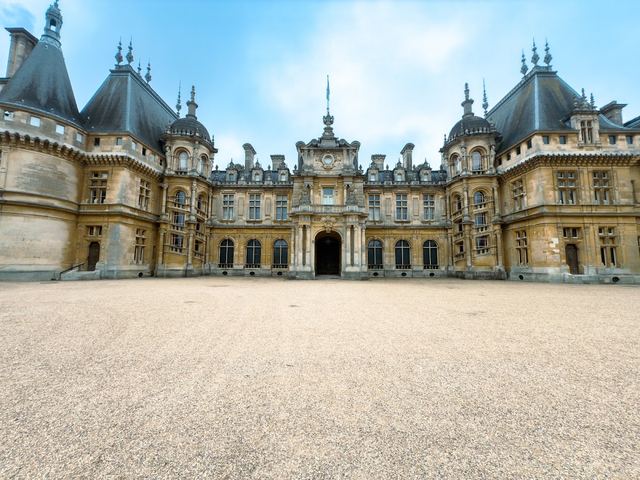
Waddesdon Manor
Built by Baron Ferdinand de Rothschild as a weekend residence for entertaining and for his collection. Parties ran from May to September and usually numbered 14 to 20 guests, with 24 house staff to run them.
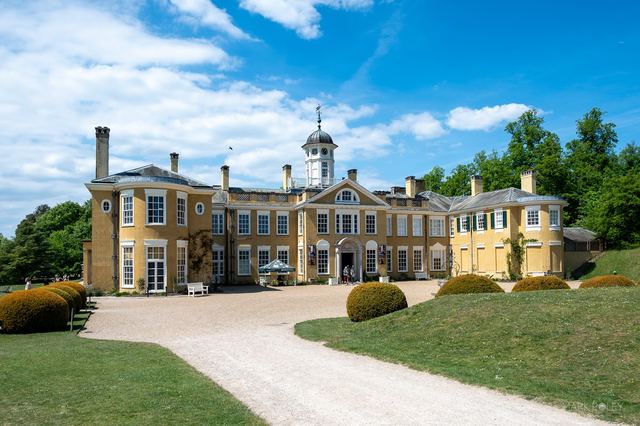
Polesden Lacey
Margaret Greville had it remodelled in 1906 by Mewes and Davis, the architects of the Ritz, and spent three decades entertaining here. In 1923 she lent it to the Duke and Duchess of York, who spent a fortnight of their honeymoon in it.
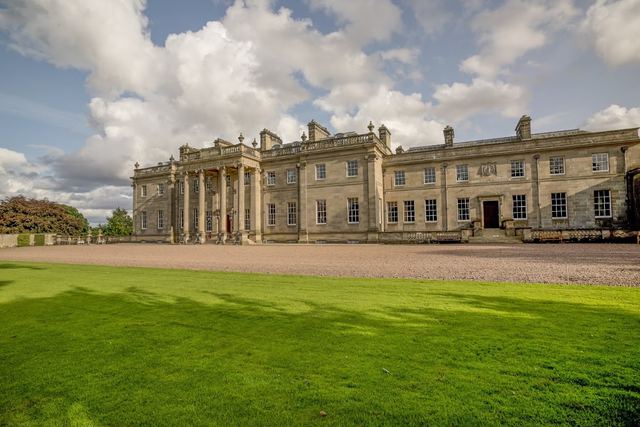
Manderston
Rebuilt between 1901 and 1903 by John Kinross for Sir James Miller, who reportedly told his architect that cost did not matter. It has a silver-plated staircase, and service quarters complete enough that Channel 4 filmed The Edwardian Country House here in 2002.
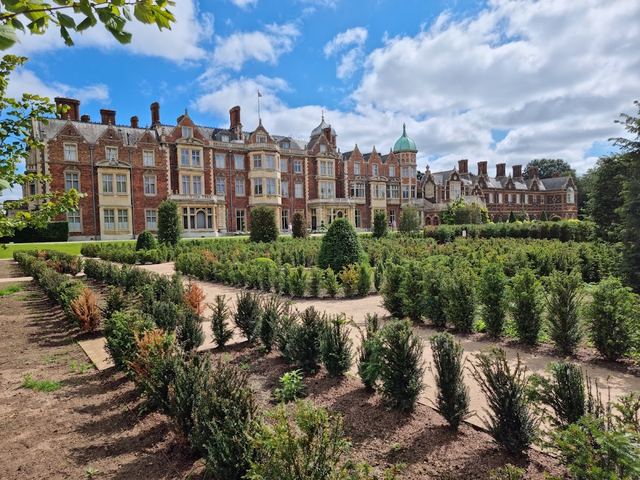
Sandringham House
The shooting estate Edward VII ran on its own clock: from 1901 the household kept its time half an hour ahead of the rest of the country to squeeze more daylight out of a winter shoot. Edward VIII abolished it in 1936.
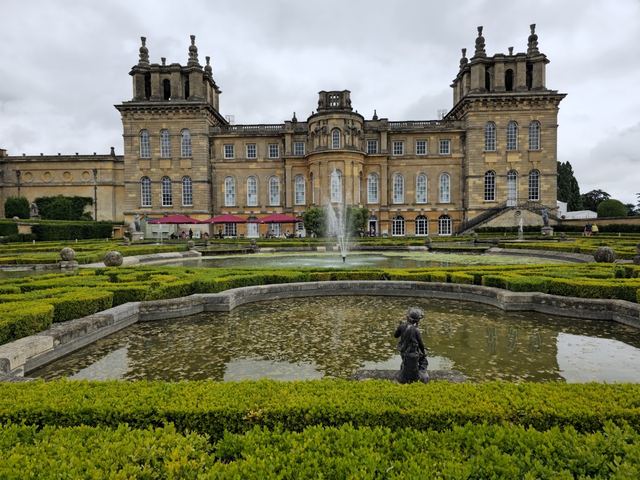
Blenheim Palace
Consuelo Vanderbilt married the 9th Duke of Marlborough in 1895 and arrived here at eighteen. Her memoir, The Glitter and the Gold, is one of the frankest first-hand accounts of what the balls and the weekend parties were actually like.
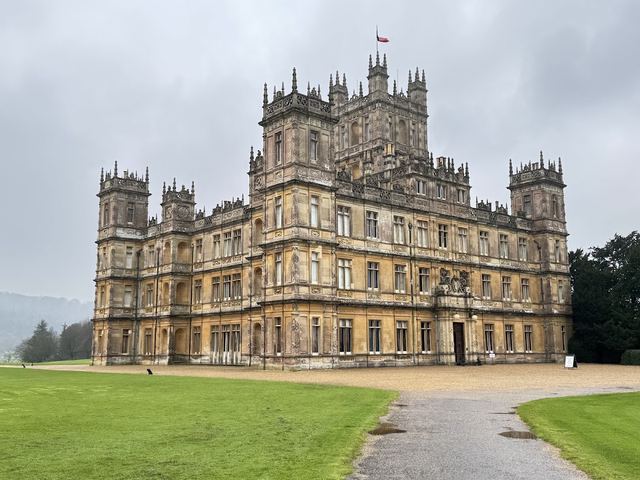
Highclere Castle
Still the seat of the Earls of Carnarvon, and the house most people now picture when they picture an Edwardian house party, because Downton Abbey was filmed here.