Guide No. 17 · The Stately Homes
National Trust vs English Heritage vs Privately Owned
Two houses can look identical from the drive and be run on completely different terms: one owned outright by a charity, one owned by the state and looked after by a charity, one still belonging to a family who decide for themselves what day you can come. Here is who runs what, and what it changes when you get to the ticket desk.
The National Trust owns its houses. English Heritage mostly does not: since 2015 it has been a charity looking after a collection of historic sites that remain in state ownership. A privately owned house belongs to whoever holds it, and answers to nobody about opening times. Those are three different kinds of organisation, not three versions of the same one, and the differences show up at the gate.
Of the 286 houses on this list, 180 are run by one of the five conservation bodies - 147 by the National Trust, 13 by English Heritage, 11 by the National Trust for Scotland, 5 by Cadw and 4 by Historic Environment Scotland. The other 106 are run by somebody else: 73 of them by a named family or titled owner, the rest by private trusts, companies and councils.
The National Trust: a charity that owns the freehold
The National Trust was founded in 1895 by Octavia Hill, Sir Robert Hunter and Canon Hardwicke Rawnsley, and it began as a body for saving open country and coastline rather than great houses. The critical piece of machinery came twelve years later. The National Trust Act 1907 gave it the power to declare its land and buildings inalienable, meaning they cannot be sold or mortgaged, and cannot be taken by compulsory purchase without a hearing in Parliament. Almost nothing else in English law works that way, and it is the reason a gift to the Trust is treated as permanent in a sense that a gift to almost any other charity is not.
The houses arrived later, and they arrived because the families could no longer pay. Under the Country Houses Scheme, made workable by the National Trust Acts of 1937 and 1939, an owner could hand over a house together with an endowment to run it, escape estate duty on both, and go on living there with their heirs provided the public was let in. That arrangement produced much of the Trust's country house portfolio, and it is the reason a National Trust house is so often still somebody's address: Oxburgh Hall went to the Trust in 1952 and the family who built it in the 1480s are still living in it.
The practical consequence for a visitor is scale. With 147 of the houses here, the Trust is not one option among several so much as the default: on a lot of the country, the nearest stately home open this weekend is a National Trust one. The exception is Scotland, where the National Trust for Scotland is a wholly separate charity founded in 1931, with its own houses, its own finances and its own membership card.
English Heritage: a charity minding somebody else's houses
English Heritage began in 1984 as a government body, created by the National Heritage Act 1983 to look after the sites the state had accumulated over a century of rescuing ruins and accepting houses in lieu of tax. It kept that shape for thirty years. On 1 April 2015 it was split in two: Historic England remained the public body, running the listing system and the planning casework, while a new independent charity, formally the English Heritage Trust, took the name English Heritage and the job of running the sites.
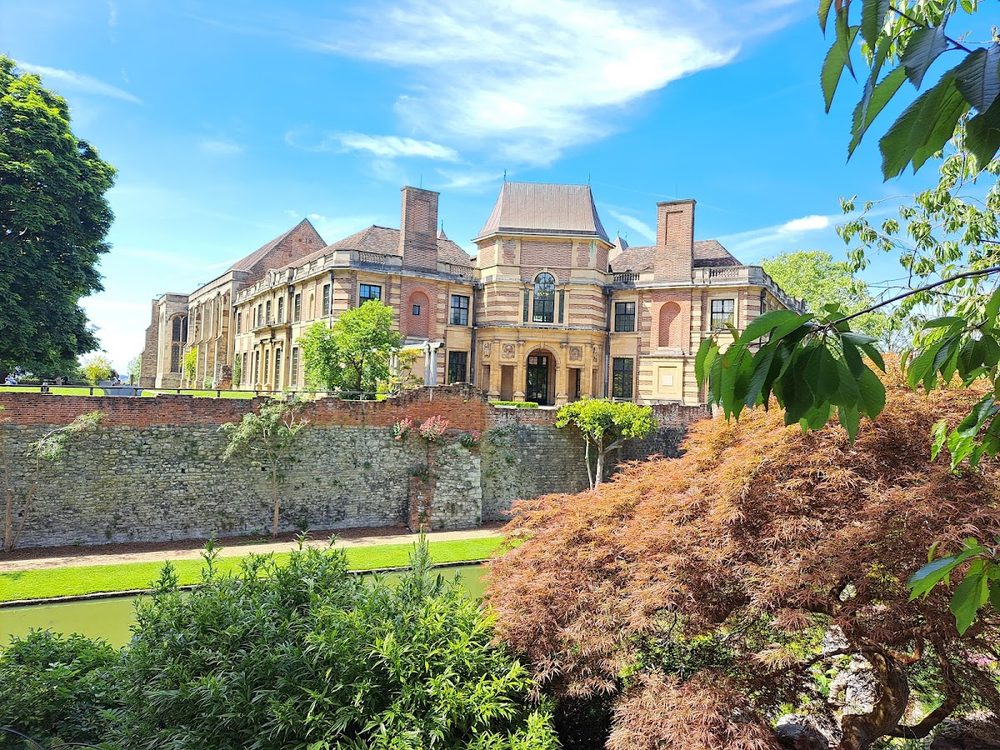
What it runs is called the National Heritage Collection: more than 400 sites across England, from Stonehenge to a scatter of empty castles, still owned by the state and licensed to the charity to care for. That inheritance explains the shape of its house portfolio, which is small and strange rather than broad. Only 13 of the houses on this list are English Heritage, and they include Eltham Palace, where a 1930s Art Deco house was built onto a medieval royal great hall, and Ranger's House, which is really a Georgian villa wrapped around one man's art collection. A state collection ends up holding what nobody else could keep, which is not the same list a charity would have chosen.
Wales and Scotland never made the same split. Cadw, set up in 1984, is still a direct part of the Welsh Government and runs 5 of the houses here, including Plas Mawr in Conwy. Historic Environment Scotland was formed on 1 October 2015 by merging Historic Scotland with the Royal Commission on the Ancient and Historical Monuments of Scotland, and it is a public body too, not a charity. It holds 4 houses on this list, one of which, Duff House, is run jointly with the local council and the National Galleries of Scotland.
Privately owned: the biggest category, and the least uniform
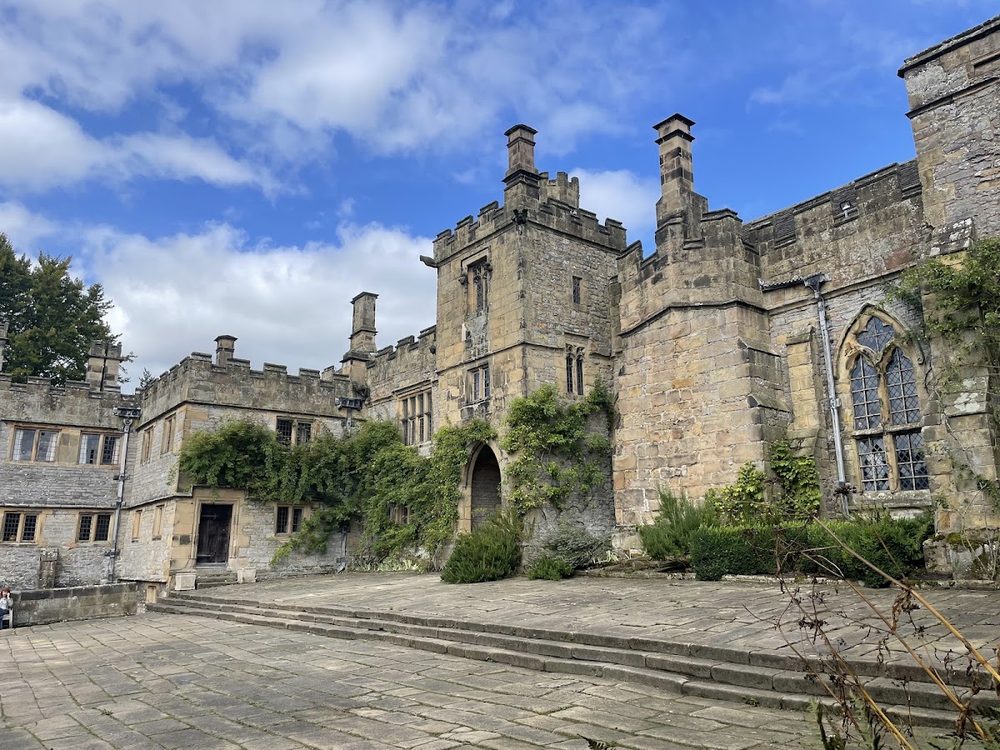
106 of the houses here are outside the conservation bodies altogether, and there is no single thing to say about them, because there is no single organisation behind them. Some are straightforwardly a family's property, like Haddon Hall, held by the Manners family and barely altered since the 16th century. Some have been put into a charitable trust that is legally separate from the family who founded it, which is what Chatsworth House did in 1981. Some are companies running an events business with a house attached, and a few are owned by councils.
The nearest thing to a common institution is Historic Houses, which became an independent association in 1973 and now speaks for more than a thousand places. It is worth being precise about what it is: an association of owners, not an owner. It holds no freeholds and sets no opening hours, and its membership scheme only works because each member house has agreed to let its cardholders in. Plenty have not. Reading every house page in the association's own directory on 15 August 2026, 88 of the houses on this list admit Historic Houses members free, while 10 appear in the directory and charge members anyway - among them Chatsworth, Blenheim, Castle Howard, Highclere and Longleat, which is to say most of the ones a newcomer would have joined for.
What actually changes at the gate
Three things, mostly. The first is the card in your pocket. These are unconnected organisations, so a National Trust card buys nothing at an English Heritage house, and neither works in Wales or Scotland or at a private house. Adult membership was £100.80 a year for the National Trust when its own membership page was read on 11 August 2026, £84 for English Heritage on 13 August 2026, and £71 for a single Historic Houses member on 15 August 2026. Which of those is worth buying depends entirely on where you live and how often you go, and this site does those sums separately for each.
The second is how many days a year you can get in. A conservation body opens on a published calendar and staffs it. A house that is still someone's home often opens for a short season, sometimes only by guided tour, sometimes for a handful of days a month, and the private wing stays shut. That is not obstruction; it is what letting the public through your own hallway looks like when the family is still in the other half of the building.
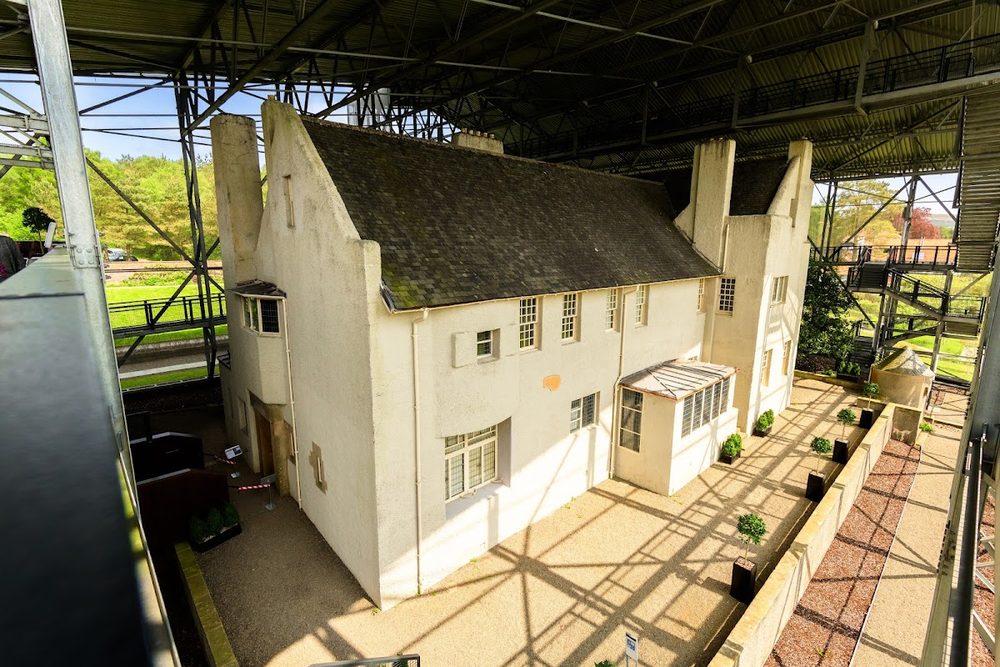
The third is what the money is for, and the honest version is that free at the gate and cheap to run are unrelated. Kenwood on Hampstead Heath costs nothing to walk into and holds a Rembrandt self-portrait and a Vermeer. The Hill House charges, and the reason is standing over it: the Mackintosh render had been letting water into the walls for a century, and the National Trust for Scotland's answer was to build a 165 tonne steel frame hung with chainmail over the entire house, letting air through while keeping most of the rain off, so the building can dry out slowly across a conservation programme measured in decades. No entry price on any given afternoon reflects what a house costs. It reflects which organisation is standing behind it and where else that organisation gets its money.
Quick answers
What is the difference between the National Trust and English Heritage?
The National Trust is a charity founded in 1895 that owns its houses outright, usually together with the land, the contents and an endowment to run them. English Heritage, since 2015, is a separate charity called the English Heritage Trust that looks after the National Heritage Collection of more than 400 historic sites which remain in state ownership. So one of them is the owner and the other is the custodian, and the two memberships are sold by two unconnected organisations that do not admit each other's members.
Does National Trust membership get me into English Heritage properties?
No. They are separate charities with separate memberships, and a card from one is not accepted at the other's houses. The same goes for Cadw in Wales, Historic Environment Scotland, the National Trust for Scotland and the Historic Houses association: five further schemes, each with its own card. The bodies do run some reciprocal arrangements for members of long standing, so check your own membership terms rather than assuming either way.
Who owns most of Britain's stately homes?
Independent owners, by a wide margin. Of the 286 houses on this list, 180 are run by one of the five conservation bodies and 106 are run by somebody else: a family, a private trust, a company or a local authority. The Historic Houses association, which represents independently owned houses, says it speaks for more than a thousand places, which is more than the National Trust and English Heritage portfolios put together.
Is Historic Houses the same kind of organisation as the National Trust?
No, and the difference matters at the gate. Historic Houses became an independent association in 1973 and owns nothing at all: it is a membership body for houses that are still in private or independent hands. Each house decides its own terms, so a Historic Houses card is not a universal pass. Of the 98 houses on this list that appear in the association's own directory, 88 admit members free and 10 require members to pay, including several of the most famous names.
What about Wales and Scotland?
Different bodies again. Cadw is the Welsh Government's own historic environment service, set up in 1984, and it runs 5 of the houses here. Historic Environment Scotland, formed in 2015 by merging Historic Scotland with the Royal Commission on the Ancient and Historical Monuments of Scotland, runs 4. Both are government bodies rather than charities. The National Trust for Scotland is different again: a wholly separate charity founded in 1931, with 11 houses on this list and its own membership.
Where to see the difference
Nine houses on the list, one or two from each kind of operator, from a state-owned collection piece to a family house still setting its own opening days:
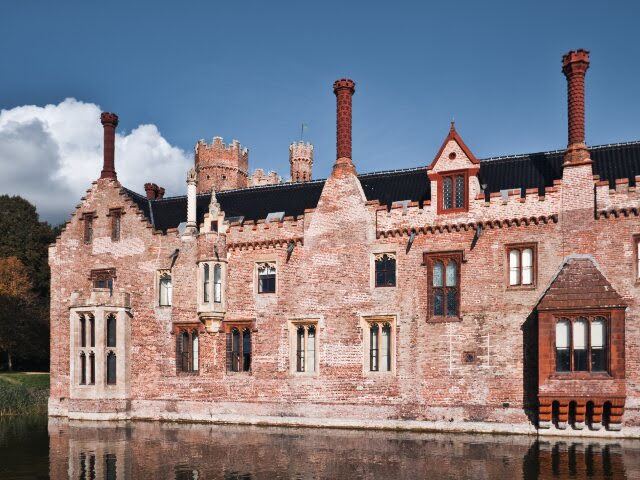
Oxburgh Hall
National Trust. Bought back out of a break-up sale and given to the Trust in 1952 by a member of the family that built it in the 1480s, with their descendants still living in it.
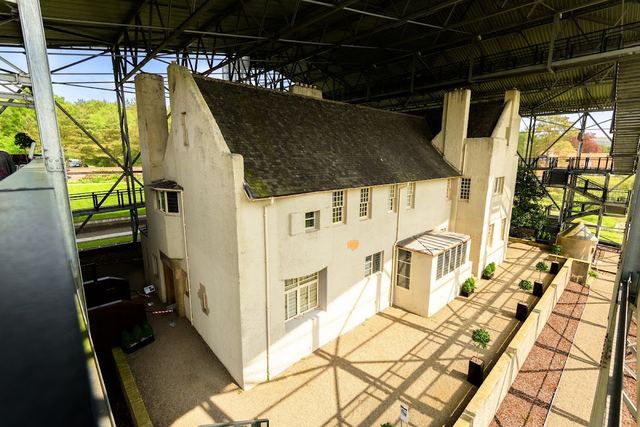
The Hill House
National Trust for Scotland. Mackintosh's masterpiece, sheltered since 2019 inside a steel and chainmail box while the walls dry out, with walkways letting visitors see the roof from above.
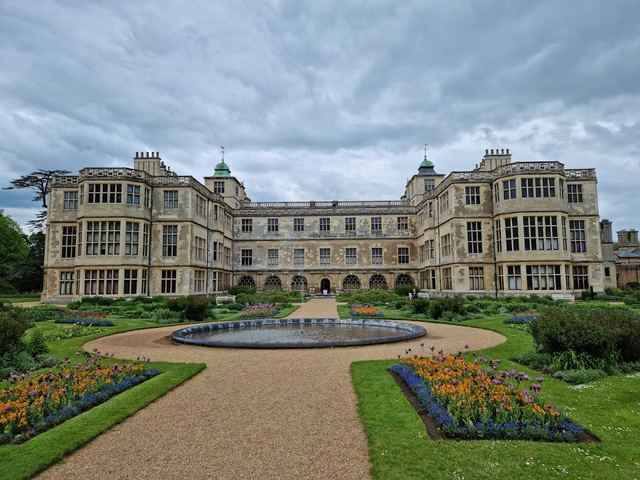
Audley End House and Gardens
English Heritage. Bought for the nation by the Ministry of Works in 1948 for 30,000 pounds, and one of the grandest houses in the National Heritage Collection.
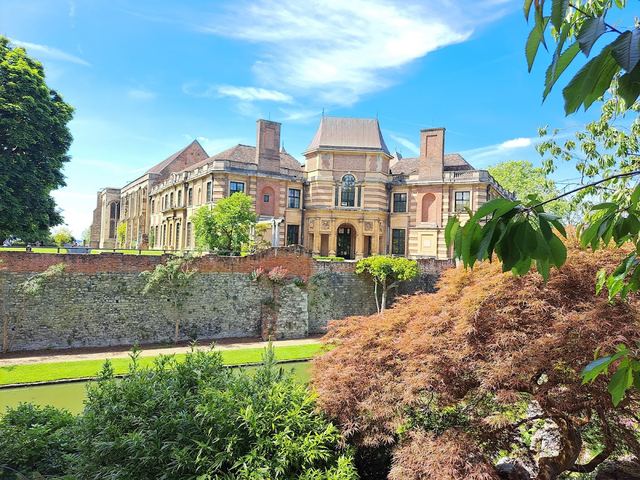
Eltham Palace and Gardens
English Heritage. A medieval royal great hall with a 1930s Art Deco house grafted onto it, which is the kind of awkward inheritance a state collection ends up holding.
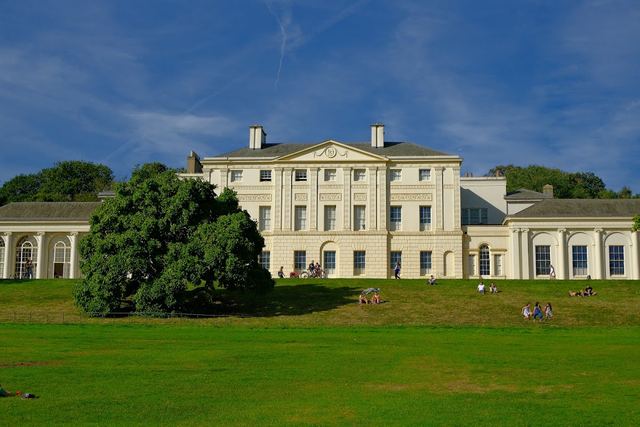
Kenwood
English Heritage. Free to walk into, which is not the same as cheap to keep: the Iveagh Bequest inside includes a Rembrandt self-portrait and a Vermeer.
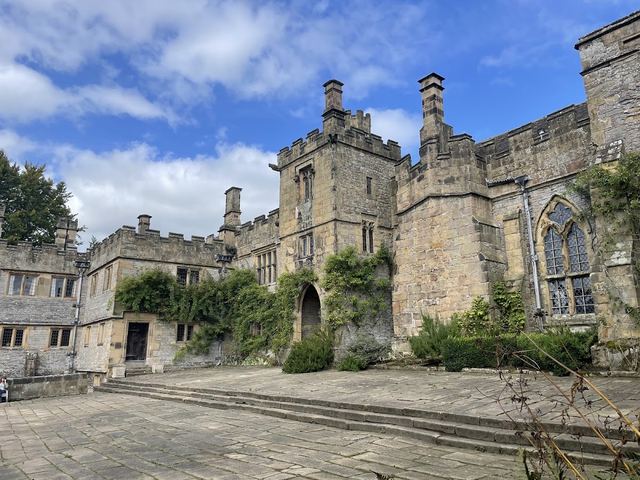
Haddon Hall
Privately owned, by the Manners family. Barely altered since the 16th century largely because it stood almost unused for two hundred years, and covered by Historic Houses membership.
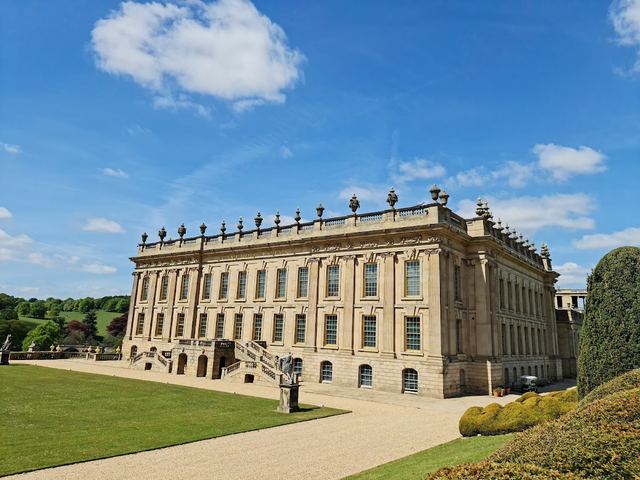
Chatsworth House
Privately run, through the Chatsworth House Trust, and one of the famous names where a Historic Houses card gets you nothing at the gate. The family and the charity are separate legal things on the same estate.
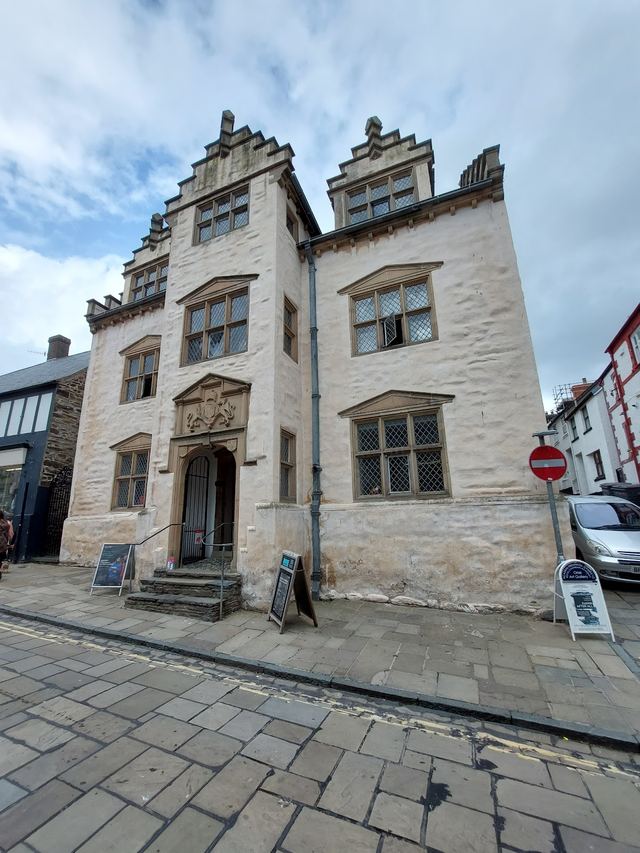
Plas Mawr
Cadw, and so a Welsh Government property rather than a charity's. An Elizabethan town house in Conwy, kept close to its original decorated state.
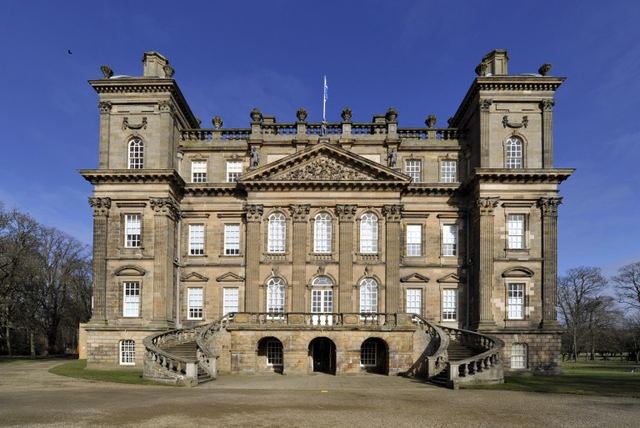
Duff House
Historic Environment Scotland, run in partnership with the local council and the National Galleries of Scotland - three public bodies sharing one Georgian house.