Guide No. 14 · The Stately Homes
Country Houses Built Around a Collection
Usually the house comes first and the contents pile up around it over two or three centuries. At a handful of places on this list it happened the other way round. The objects existed, and the house was designed, remodelled or simply handed over to hold them. One owner moved out into a cottage in the garden so his collection could have the manor to itself.
A country house built around a collection is one where the objects came first and the architecture followed: the house was designed, extended or bought specifically to display a body of paintings, furniture, instruments or antiquities. Waddesdon Manor is the clearest British example, built from 1874 for Baron Ferdinand de Rothschild as a weekend house for entertaining and a setting for what he had already been buying.
The distinction is worth carrying round a house. In most of these places the contents are the residue of ten generations of inheriting, buying and quietly selling. In the ones below, a single person's taste explains nearly every room, and the rooms were shaped to suit it.
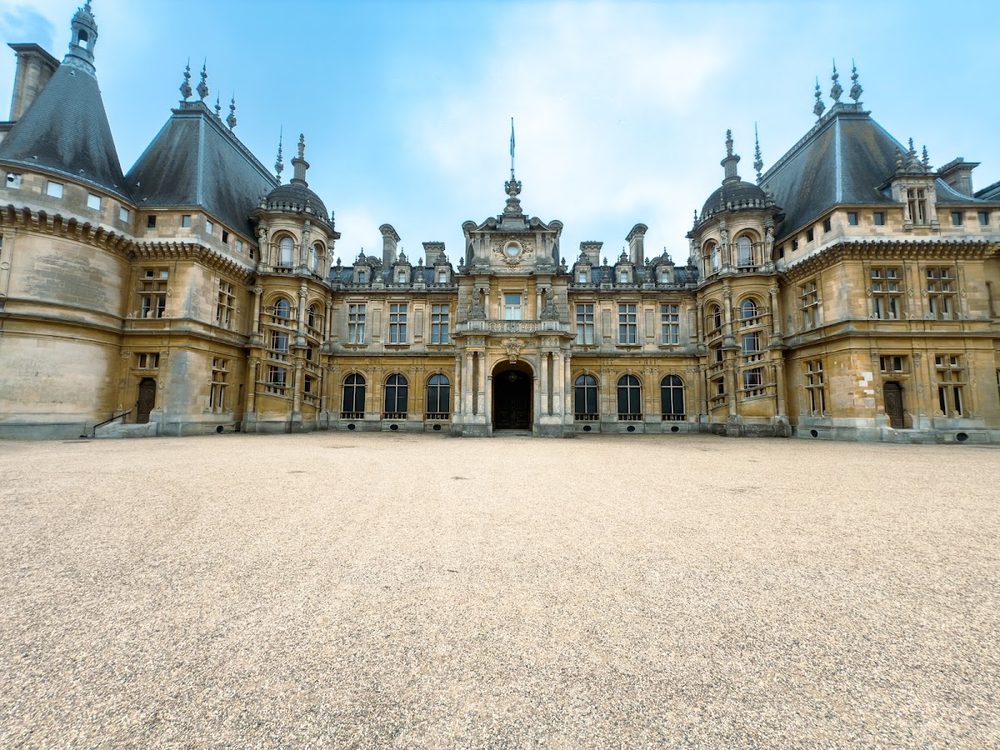
Waddesdon: a house designed as a display case
Ferdinand de Rothschild bought bare Buckinghamshire farmland and commissioned the French architect Gabriel-Hippolyte Destailleur to build him something in the manner of a Loire chateau. Work started in 1874 and went on in stages for around fifteen years. What went inside had in many cases been bought before the walls existed, and this is the part that makes Waddesdon unusual: Ferdinand collected French 18th-century boiseries, carved panelling taken out of houses in France, so in several rooms the collection is not standing in the room, it is the room. Around it went Sevres porcelain, Savonnerie carpets, Gobelins and Beauvais tapestries, Dutch paintings and English 18th-century portraits, with a marked preference for anything that had belonged to the French royal family.
He kept his medieval and Renaissance treasures separately, as a private museum in the New Smoking Room. When he died in 1898 he left that part, nearly 300 objects, to the British Museum on condition it stayed together in one room, where it is still shown as the Waddesdon Bequest. The house itself and the rest of its contents came to the National Trust in 1957 under the will of James de Rothschild. The collection has therefore been split between Buckinghamshire and Bloomsbury for well over a century, and the smoking room it came out of is still there to be walked through.
Ickworth: the gallery whose collection never arrived
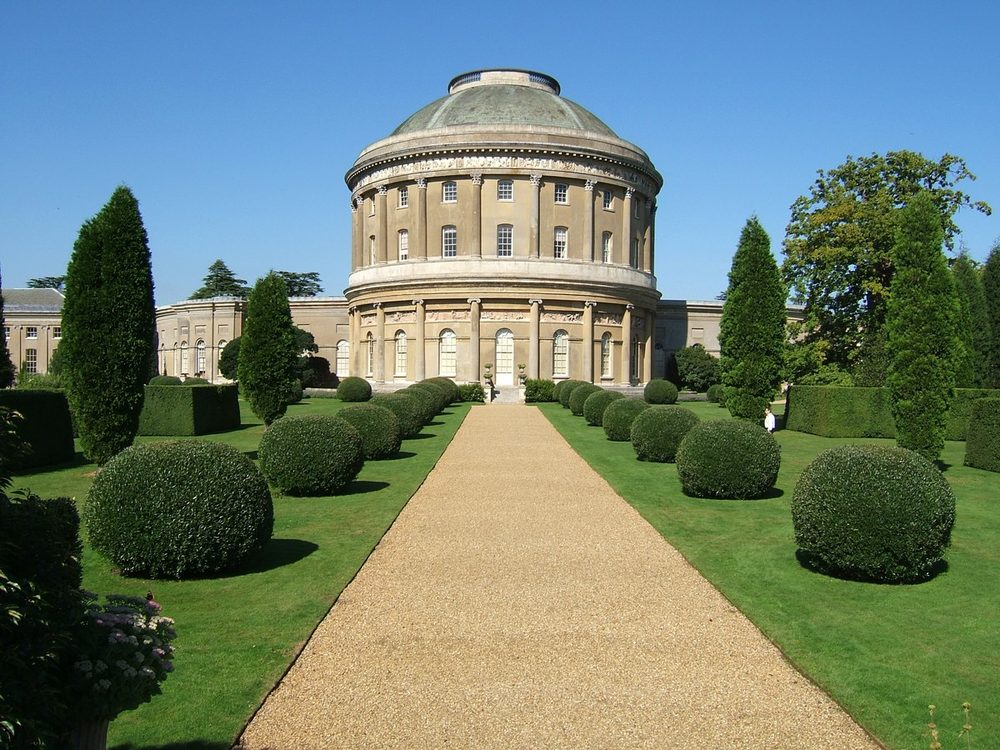
Ickworth in Suffolk pushes the idea further than any house that actually worked. Frederick Hervey, 4th Earl of Bristol and Bishop of Derry, spent years in Italy buying paintings and sculpture, and in 1795 he began a building to hold them: a rotunda 105 feet high, designed by the Italian architect Mario Asprucci, with curved corridors running out to wings intended as a sculpture gallery and an orangery. The living rooms were the afterthought. The gallery was the point.
Then Napoleon's forces seized the collection in Italy, and Hervey died in 1803 without seeing the building finished. His successor completed it as a house instead, a job that took until 1829, and the west wing that was to have held the sculpture stayed an unfinished shell until it was fitted out in 2006. What survives is a country house whose most striking room was designed for pictures that never got there, which is a strange thing to stand in and a useful reminder of how much of this architecture was contingent on a shipment arriving.
Collections that turned up later
Two houses on this list are known for collections that moved in long after the architecture was settled. Kenwood on Hampstead Heath was remodelled by Robert Adam in the 1760s for the 1st Earl of Mansfield, and had nothing much to do with Old Masters until Edward Guinness, 1st Earl of Iveagh, bought it in 1925. He died two years later and left the house and 63 paintings to the nation, including a Rembrandt self-portrait and a Vermeer, and it opened to the public in 1928. It is still free to walk into, which reviewers of the house tend to mention before anything else.
Ranger's House in Greenwich went further and took the collection into its name. The Georgian villa now holds around 700 works assembled by Julius Wernher, a German-born diamond magnate, running from Botticelli and Memling through Renaissance jewellery, ivories, enamels, maiolica and Sevres to English portraits by Reynolds and Romney. It had been at his own houses, and later at Luton Hoo, before arriving in Greenwich in 2002. A dozen rooms of a compact villa now do the job of a small museum.
Upton House in Warwickshire shows the middle case, where an existing house is altered to fit. Walter Samuel, 2nd Viscount Bearsted, whose father founded Shell, bought the 17th-century house in 1927 and had Percy Morley Horder rebuild large parts of it between 1927 and 1929 to hang what he owned: El Greco, Canaletto, Hogarth, porcelain, and a run of early Shell advertising posters with original artwork by Rex Whistler among others. He gave the house, gardens and collection to the National Trust in 1948.
One subject, taken as far as it will go
Not every defining collection is a picture collection. Hatchlands Park in Surrey holds the Cobbe Collection: around 42 historic keyboard instruments, harpsichords and fortepianos dating from about 1750 to 1840, of which roughly eighteen were owned or played by composers including Johann Christian Bach, Mozart, Chopin, Mahler and Elgar. It is the largest group of composer-associated instruments gathered in one place, and it sits inside Robert Adam interiors in a park laid out by Humphry Repton, so the house is worth the trip twice over.
Nostell in West Yorkshire is the furniture case. Sir Rowland Winn commissioned Thomas Chippendale to furnish rooms Robert Adam was fitting out, an association that ran for over twenty years, and the reason it matters more than a handsome set of chairs is that the paperwork survived. The invoices are still readable, down to a four-post servant's bed for the cook's room at one pound ten shillings in 1767, which makes it one of the best documented Chippendale commissions in England and lets you match a specific bill to a specific object in the room you are standing in.
Petworth House in West Sussex holds the National Trust's largest collection of paintings, largely because George Wyndham, 3rd Earl of Egremont, bought on a scale few of his contemporaries matched and gave J. M. W. Turner a studio in the house. Turner painted the park, and a good deal of what hangs at Petworth is the direct product of that arrangement rather than of a shopping trip abroad.
Snowshill: the house handed over to the objects
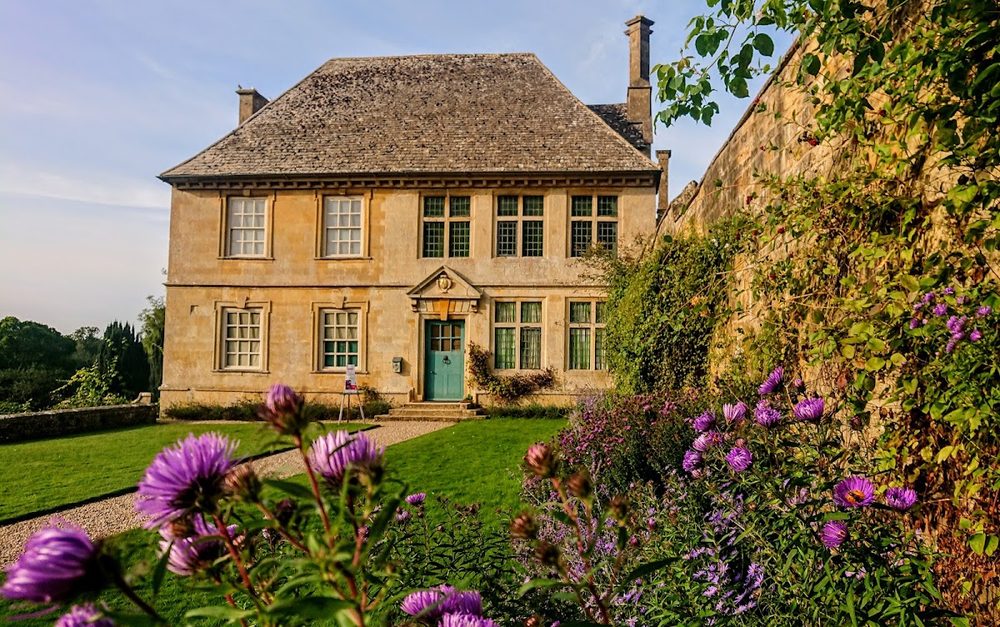
The purest version of the idea on this list is also the smallest house. Charles Paget Wade, an architect and artist, bought Snowshill Manor in the Cotswolds in 1919 and spent the rest of his life filling it: over 22,000 objects by the time he died, arranged by how they were made rather than by period or value. There are 26 suits of Japanese samurai armour, bicycles, toys, clocks and musical instruments. His motto was "let nothing perish", and he took it literally.
The detail that settles it is where he slept. Wade did not live in the manor at all. He kept the small cottage in the garden and gave the house over to the collection, then handed both to the National Trust in 1951. Visitors still describe it as a house-first visit rather than a gardens day out, which is not something said about many National Trust properties, and reviewers note it takes longer than its size suggests.
The question to ask on a visit
The useful test is simply whether the room was built for the object or the object found its way into the room. Panelling cut to fit a wall at Waddesdon, a picture gallery inserted into an older house at Upton, a rotunda raised at Ickworth for sculpture that never came: all of those are answers to the first. A long gallery hung with whatever four generations happened to buy is an answer to the second, and it is the more common one by a wide margin. Neither makes for a better afternoon. But knowing which one you are in changes what the rooms are telling you, and it explains why a house can feel coherent to the point of being airless, or agreeably like a family that never threw anything away.
Quick answers
Which stately homes were built to display an art collection?
Waddesdon Manor in Buckinghamshire is the clearest British example, built from 1874 for Baron Ferdinand de Rothschild by the French architect Gabriel-Hippolyte Destailleur as a weekend house for entertaining and a setting for his collection. Ickworth in Suffolk is the other obvious case: its domed rotunda was begun in 1795 to hold the 4th Earl of Bristol's art collection, with the living accommodation arranged around it. Upton House in Warwickshire is a 20th-century version, remodelled between 1927 and 1929 to take the pictures its new owner had already bought.
What is the Waddesdon Bequest?
A collection of nearly 300 medieval and Renaissance objects that Baron Ferdinand de Rothschild kept as a private museum in the New Smoking Room at Waddesdon Manor and left to the British Museum when he died in 1898. It is displayed together in its own room in Bloomsbury rather than dispersed through the museum, which is a condition of the bequest. The rest of the house and its contents came to the National Trust in 1957 under the will of James de Rothschild.
Why was Ickworth's rotunda built?
Frederick Hervey, 4th Earl of Bristol and Bishop of Derry, commissioned the Italian architect Mario Asprucci to design it and began building in 1795, intending the central rotunda and its flanking wings as a gallery for the paintings and sculpture he had bought in Italy. The collection was seized by Napoleon's forces and never reached Suffolk. Hervey died in 1803, his successor finished the building as a house, and the west wing stayed an unfinished shell until it was fitted out in 2006.
Which National Trust house has the most paintings?
Petworth House in West Sussex holds the National Trust's largest collection of paintings. Its shape owes most to George Wyndham, 3rd Earl of Egremont, who bought heavily and gave J. M. W. Turner a studio at the house, which is why the collection contains so many works by him. The rooms were hung to take the pictures, and the house sits in a deer park landscaped by Capability Brown.
What is the Cobbe Collection at Hatchlands Park?
A collection of around 42 historic keyboard instruments kept in the Robert Adam interiors at Hatchlands Park in Surrey, where the Cobbe family are tenants. Roughly eighteen of the instruments were owned or played by composers including Johann Christian Bach, Mozart, Chopin, Mahler and Elgar, which makes it the largest group of composer-associated instruments assembled anywhere. The harpsichords and fortepianos in it date from about 1750 to 1840.
Where to see the collections
Nine houses on the list where one collection explains the building, from a chateau designed around its panelling to a manor its owner moved out of:
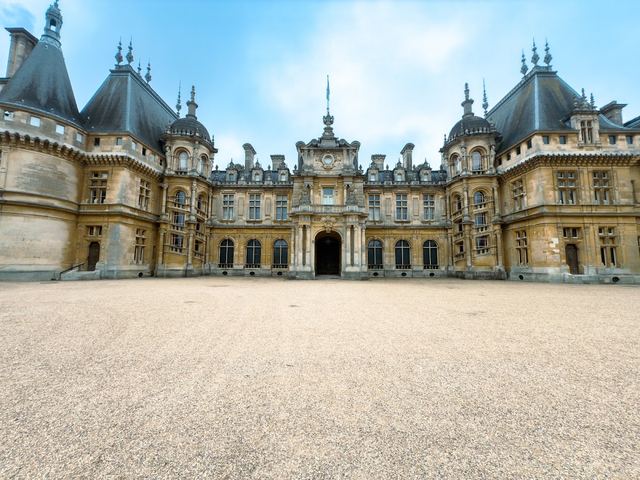
Waddesdon Manor
The house built as a setting. A French Renaissance chateau put up in Buckinghamshire from 1874 for Baron Ferdinand de Rothschild, with French panelling, Sevres and tapestries bought first and the rooms designed to take them.
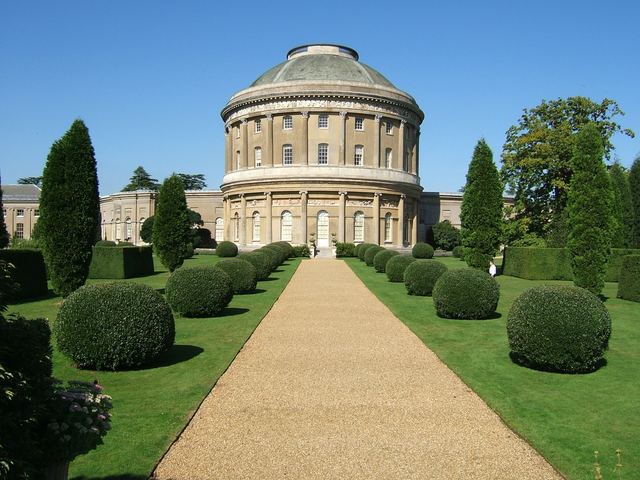
Ickworth
The gallery whose collection never arrived. The 4th Earl of Bristol began the rotunda in 1795 to hold the art he was buying in Italy; the art was seized, he died in 1803, and his successor finished the building as a house.
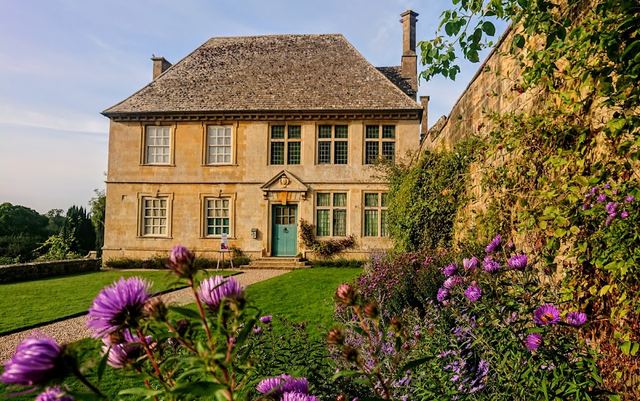
Snowshill Manor
Charles Paget Wade bought the manor in 1919 and filled it with over 22,000 objects, from Japanese samurai armour to bicycles and clocks. He slept in the cottage in the garden and left the house to the collection.
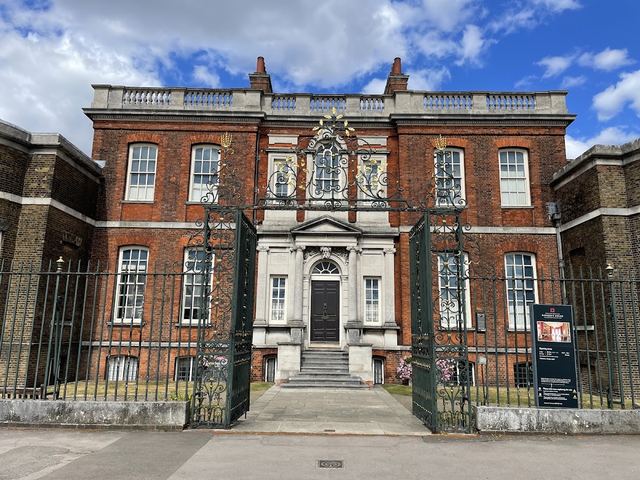
Ranger's House - The Wernher Collection
A Georgian villa in Greenwich now named after what is inside it: around 700 works assembled by the diamond magnate Julius Wernher, including Renaissance jewellery, ivories, maiolica and Old Masters, here since 2002.
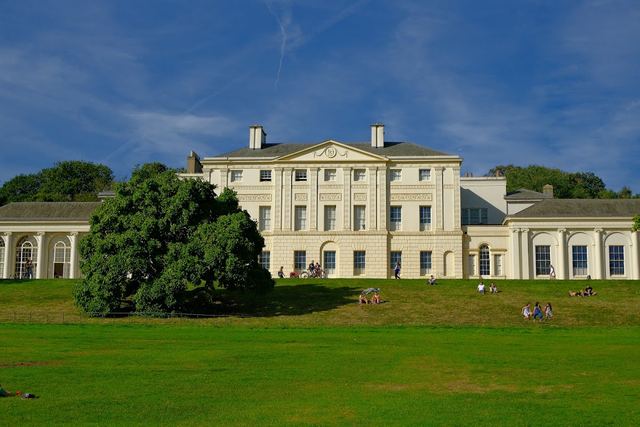
Kenwood
Robert Adam's house on Hampstead Heath, bought in 1925 by Edward Guinness, 1st Earl of Iveagh, who left it and 63 Old Master paintings to the nation on his death in 1927. Free to enter, with a Rembrandt self-portrait in it.
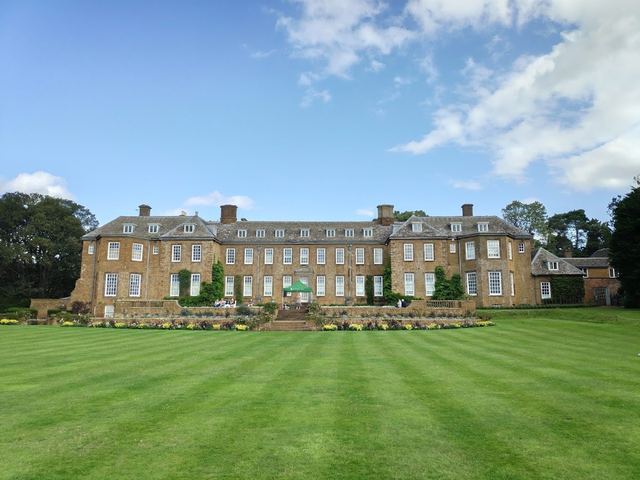
Upton House
A 17th-century house remodelled between 1927 and 1929 for the 2nd Viscount Bearsted, whose Shell fortune paid for El Greco, Canaletto and Hogarth, and whose collection also runs to early Shell advertising posters.
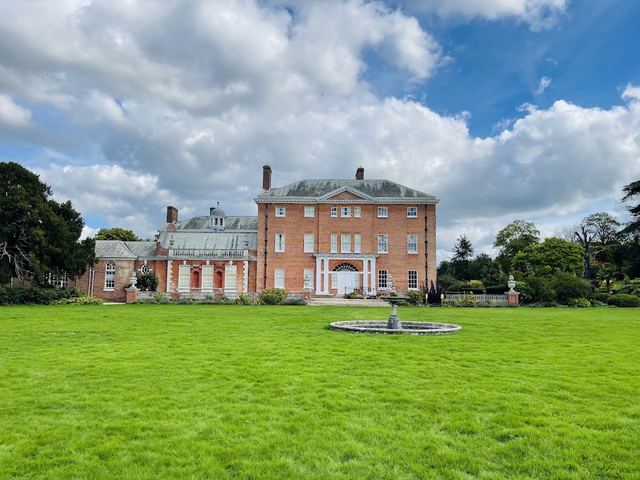
Hatchlands Park
The Cobbe Collection of around 42 historic keyboard instruments, roughly eighteen of them owned or played by composers including Mozart, Chopin and Elgar, kept in Robert Adam interiors.
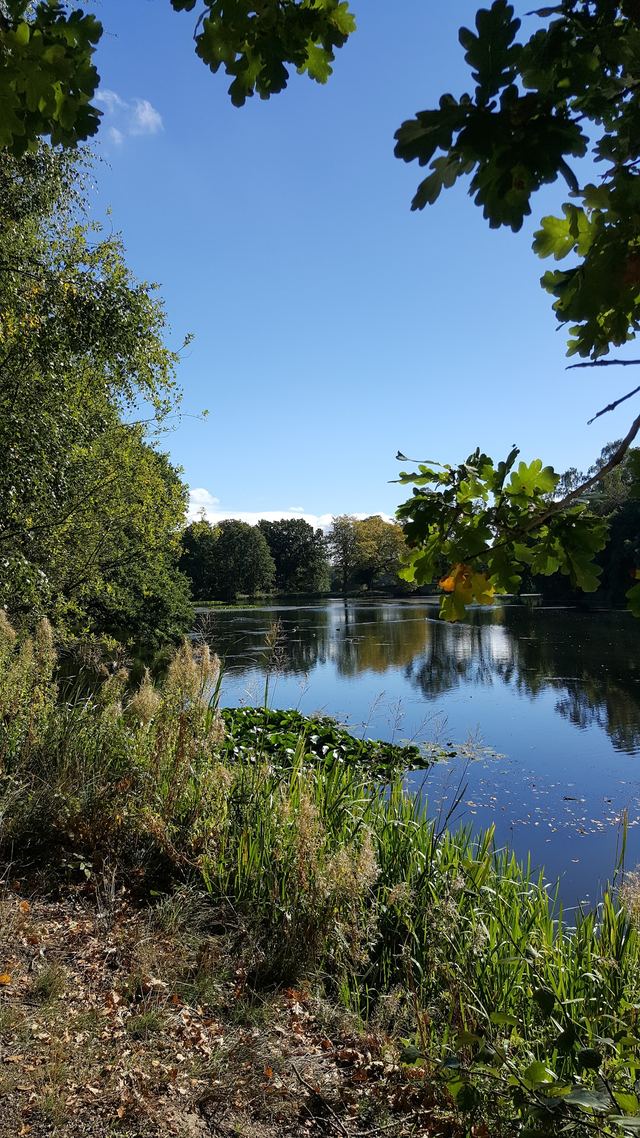
Nostell
The Chippendale house. Sir Rowland Winn commissioned the furniture for these rooms, and because the invoices survive it is among the best documented Chippendale commissions in England.
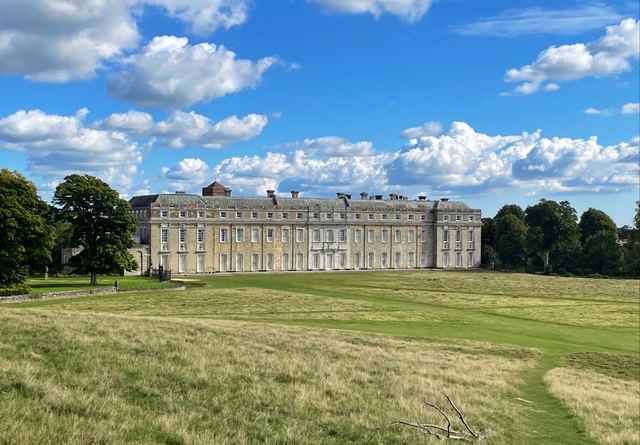
Petworth House
The National Trust's largest collection of paintings, shaped by the 3rd Earl of Egremont, who gave Turner a studio in the house and bought his work in quantity.