Guide No. 26 · The Stately Homes
Country Houses and the Slave Trade
Some of the houses on this list were paid for with money made from slavery, and some of the families who owned them were compensated by the government when it ended. This guide sets out what the records show, which houses have said so themselves, and where a link is about something else.
Some British country houses were built or kept up with money made from the transatlantic slave trade and from plantations worked by enslaved people. Which ones is a matter of evidence, not guesswork: a named owner has to appear in a source such as University College London's Legacies of British Slavery database, or the house has to say so itself. This guide uses only those two kinds of source.
In September 2020 the National Trust published an interim report identifying 93 places in its care with links to colonialism, including historic slavery. The report covers both, and it is worth keeping them apart. Slavery means owning enslaved people or profiting from the trade. Colonialism is wider, and includes administering colonies or trading under a colonial company.
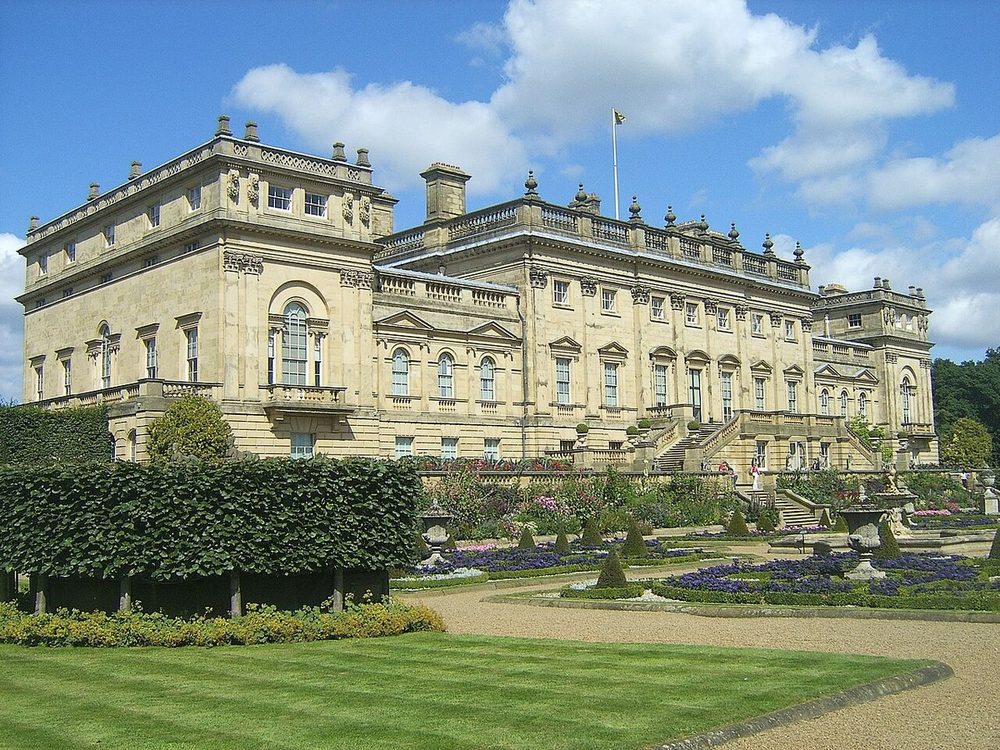
Harewood: a house that tells its own story
Harewood House is the clearest case on the list, because the house itself states the facts. Its website says that in 1713 Henry Lascelles became the first of the family directly involved in trading enslaved people, and that he and his brother George invested in ships that carried more than 1,000 enslaved Africans to the Caribbean over three years. Henry died in 1753 as one of Britain's richest men. He and his son Edwin bought the Harewood and Gawthorpe estates in 1738, and Edwin began building the house in 1759.
The UCL database records Edwin Lascelles, 1st Baron Harewood, as owner of the Belle plantation in Barbados from 1784 to 1795, and of two estates in Jamaica from 1786 to 1794. It also records that at his death he was owed 166,890 pounds by slave owners in the West Indies. After the Slavery Abolition Act 1833, Harewood's own account says the Lascelles family received 26,309 pounds in compensation, about 2.5 million pounds today. The formerly enslaved people received nothing, and the family owned the Belle plantation until 1975.
What Harewood does about it
The house now has a section called Legacy of the Caribbean and a programme called Open History. Part of that programme commissions portraits of Black Britons to hang in the house, including Dr Arthur France in 2022 and the actor David Harewood in 2024. Harewood's website also records that the Lascelles plantations were damaged in Bussa's Rebellion in Barbados in 1816, and says the bravery of those who rose up helped bring slavery to an end.
The film above is a VICE World News report from 2020, with more than 1.6 million views. Its published description says it looks at how many British country homes have colonial and slave trade connections, and at the research heritage organisations have started to do. We have not checked each claim in it against the sources above, so treat it as an overview rather than as a source for any one house.
Colonial links that are not the same thing
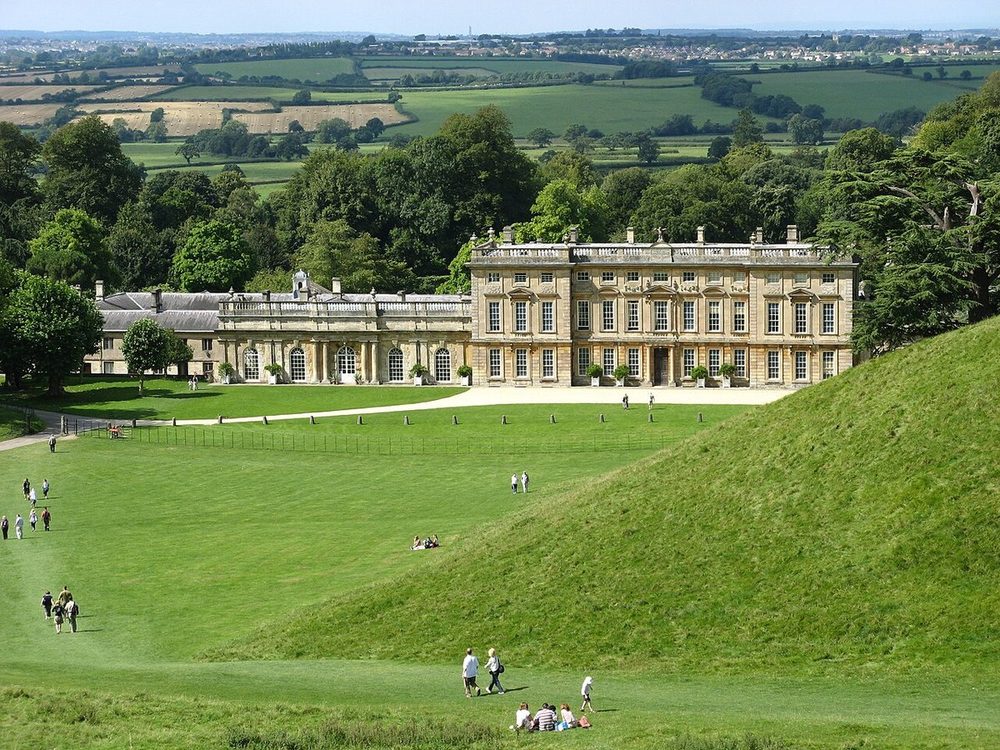
Dyrham Park shows why the distinction matters. William Blathwayt, who built it, was Secretary at War to William III, and the Trust's 2020 report records that the house was owned by several people involved in administering colonies. The house holds objects from his colonial career, including a staircase made of Virginia walnut and items from Jamaica. That is a colonial connection, and visitors are entitled to know about it, but it is a different thing from a family that owned plantations.
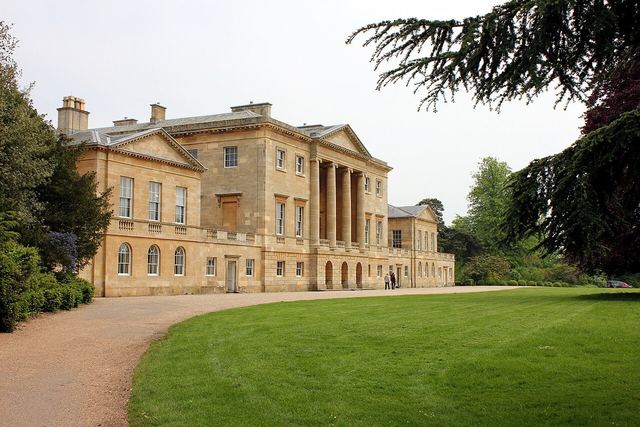
Basildon Park in Berkshire is a second example. Sir Francis Sykes built it in the 1770s with a fortune made in Bengal with the East India Company. That is a colonial fortune, and it is documented. We have not found a source that ties it to slavery, so this guide does not claim one.
The word plantation needs the same care. Springhill in County Londonderry is described in our listing as a plantation house, but there it refers to the Plantation of Ulster, the organised settlement of English and Scottish families in Ireland from 1609. It has nothing to do with Caribbean plantations.
The law, and the other side of the story
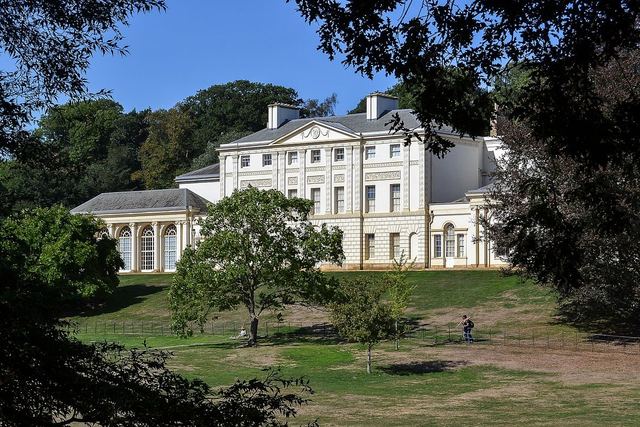
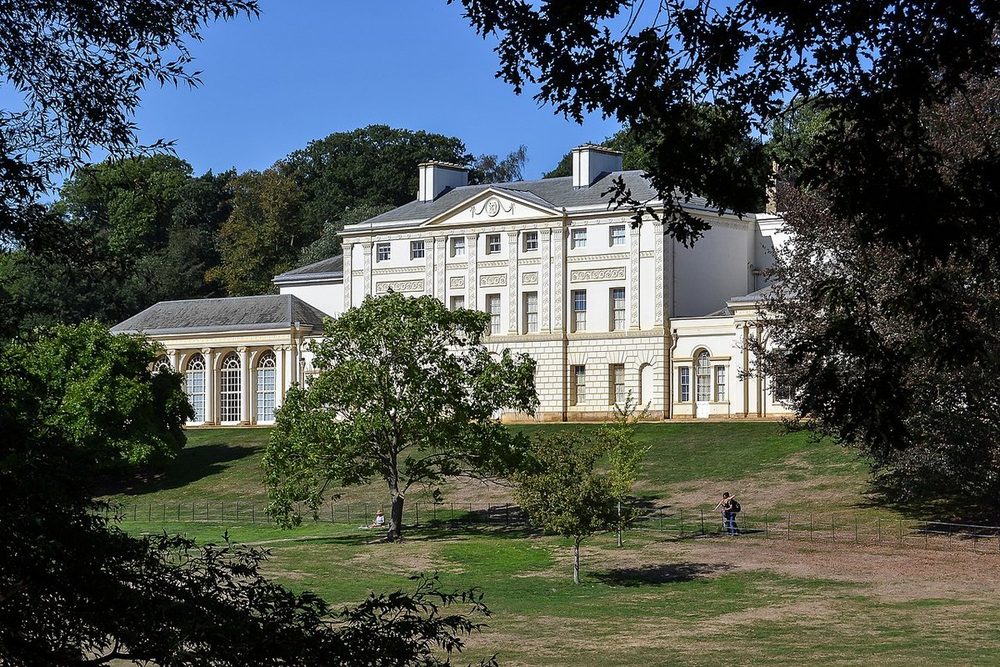
Not every connection is about money. Kenwood on Hampstead Heath was bought in 1754 by William Murray, later 1st Earl of Mansfield and Lord Chief Justice. In 1772 he ruled in the Somerset case that James Somerset, an enslaved man brought to England, could not be forcibly removed from the country. The ruling is often cited in the history of abolition, though its exact reach is still debated by historians.
How to check a house yourself
Search the UCL Legacies of British Slavery database for the name of the owner or family, and read what the house or its owner says on its own website. Treat a fortune or a date as a reason to look, not as proof. If a house is not mentioned in either, that tells you nothing certain either way, because the research is still going on: the National Trust itself calls its 2020 report interim.
Quick answers
Were British country houses built with money from slavery?
Some were, and the evidence has to be checked house by house. Harewood House in Yorkshire is a documented case: its own website says the Lascelles family's money came from plantations, enslaved people, ships and warehouses. Other houses have colonial links of a different kind, such as service in colonial administration or the East India Company, which is not the same thing as owning enslaved people.
What did the National Trust's 2020 report find?
The National Trust published an interim report in September 2020 on links between its properties and colonialism, including historic slavery. It identified 93 places with such links. The report covers colonialism as well as slavery, so a house's appearance in it does not by itself mean it was paid for by the slave trade.
What is the Legacies of British Slavery database?
It is a database run by University College London that records people who owned enslaved people, who were paid compensation when slavery was abolished, and the estates they held. It is the main public source for checking whether a named owner or family has a documented connection.
Who was compensated when slavery was abolished?
Slave owners were. After the Slavery Abolition Act 1833, the government paid compensation to enslavers for the loss of what the law then treated as their property. The people who had been enslaved received nothing, and were required to work as apprentices until 1838. Harewood House records that the Lascelles family received £26,309, which it puts at about £2.5 million in today's money.
Does a house's age or wealth prove a slavery connection?
No. A date or a large fortune is not evidence on its own. A connection is established by a named owner appearing in a source such as the UCL database or a property's own research, which is the standard this guide uses.
Houses mentioned in this guide
Four houses on the list with a documented colonial or slavery connection, and what kind of link each one has:
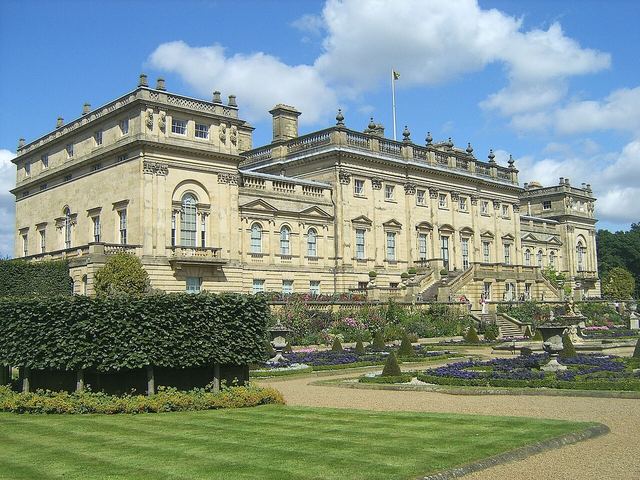
Harewood House
Begun in 1759 by Edwin Lascelles, whose family wealth came from Caribbean plantations. The house publishes its own account of this and runs a programme called Open History.
Photo: Gunnar Larsson, CC BY-SA 3.0, via Wikimedia Commons, cropped/resized
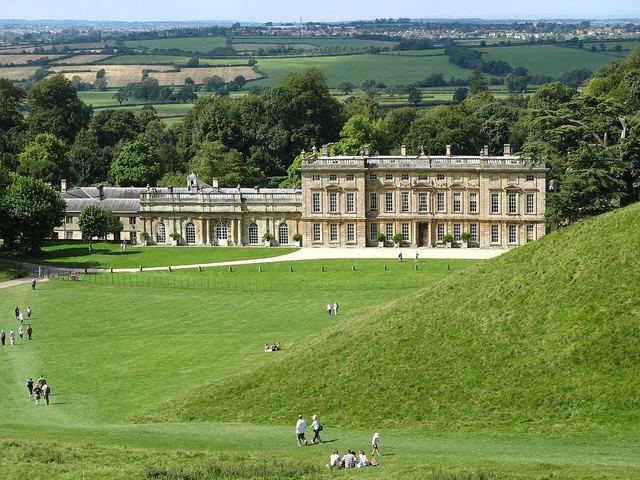
Dyrham Park
Built for William Blathwayt, a senior official of William III's government. The National Trust's 2020 report records colonial links through owners who administered colonies.
Photo: Rwendland, CC BY-SA 3.0, via Wikimedia Commons, cropped/resized