Guide No. 13 · The Stately Homes
Country House Libraries: Who Actually Read the Books?
There is a long-running joke that the great libraries were bought by the yard, shelved for effect and never opened. At one house on this list that is literally true, because the books are not books at all. At another, a man died of an injury he picked up rescuing someone else's library from a fire.
A country house library was two things at once: a room designed to be seen, and in many houses a working collection of real scholarly value. The proportions differed enormously. Some libraries were reception rooms with shelves; some were assembled by owners who genuinely read them; and at least one is a wall of painted spines with nothing behind it.
The useful question on a visit is not whether the family read the books, which is unanswerable, but where the collection came from. Bought, inherited, or built over generations by hand, and each of those leaves different evidence on the shelf.
The shelves that were never meant to be read
Chatsworth House makes the case for the sceptics better than any critic could. At each end of its library stand bookcases that conceal doorways to the stone stairs up to the gallery, and the spines on them are fake. In 1831 the 6th Duke of Devonshire asked the poet and punster Thomas Hood to invent titles for them; Hood sent more than seventy and around ninety went onto the shelves, among them Percy Vere, in 15 large volumes and Life of Ketch, with Cuts of his own Execution. There are no pages behind any of them. The family enjoyed the joke enough to repeat it: in the early 1960s Deborah, Duchess of Devonshire commissioned a second fake bookcase and Patrick Leigh Fermor supplied around 130 suggestions, including Consenting Adults by Abel N. Willing.
Even where the books were real, the room often had another job. The Library at Kenwood in Hampstead, built by Robert Adam between 1767 and 1770 for the 1st Earl of Mansfield, is one of the finest interiors of the English 18th century, and it was designed as much for receiving company as for reading. Mansfield entertained judges, politicians and ambassadors in it. Calling it a library was partly a statement about the kind of man who lived there.
The collections that were entirely real
Against that sits Blickling, which holds over 12,500 books, the largest book collection the National Trust looks after. Its origin is a good illustration of how these libraries actually came together: the core was not built by the family who owned the house at all. It was assembled by Sir Richard Ellys, who died in 1742, and came to Blickling from London after his cousin Sir John Hobart inherited it. The Long Gallery, a room 123 feet long originally built for walking in when the weather was bad, was fitted out as a library to take the volumes.
Felbrigg Hall, a few miles away, is the case for the defence. Its Gothic library was made out of what was probably the Jacobean great chamber between 1752 and 1755 by William Windham II, and he and his son stocked it with more than 5,000 books, the oldest printed in 1509. Windham III was not a decorative reader. On 8 July 1809 he helped rescue the library of his friend Frederick North from a house fire in Conduit Street, fell and bruised his hip, developed a tumour at the injury, was operated on the following May and died on 4 June 1810. Whatever else that is, it is not a man who bought his books by the yard.
What a library was worth when the money ran out
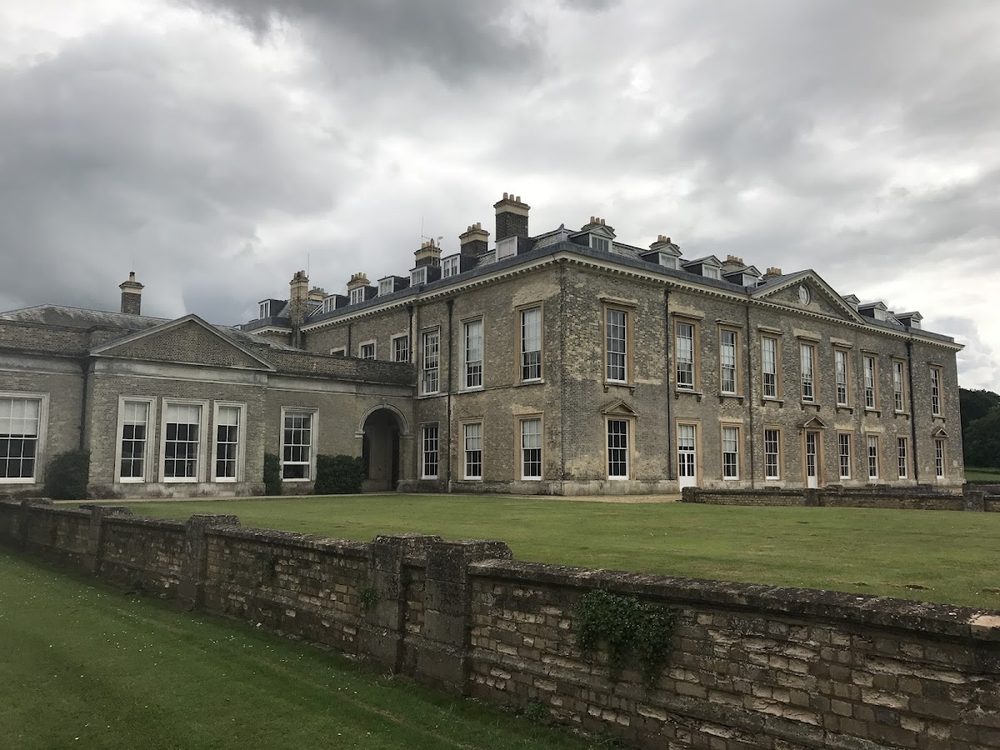
The clearest measure of how seriously these collections were taken is what happened when a family needed cash. Althorp held the library built by George John, 2nd Earl Spencer, which was reckoned the greatest then in private hands: roughly 3,000 books printed before 1501, and a Gutenberg Bible among them. The agricultural depression of the 1880s cut the estate's income, and in July 1892 his grandson the 5th Earl sold the collection entire to Enriqueta Rylands for £210,000. It went to Manchester, where it remains as the Spencer Collection at the John Rylands Library, and it is one of the very few aristocratic libraries of that period to survive more or less intact, precisely because it left the house.
That is the pattern behind a good many half-empty country house libraries. The room stayed and the contents went, sold quietly at auction across the century that followed, which is why a shelf of handsome uniform bindings in a house today may be the remains of something much older or a later refilling of an emptied room. Althorp's shelves were restocked afterwards; the books there now are not the ones the 2nd Earl assembled.
Why you are not allowed to touch them
Visitors reasonably ask what the point of a book is if nobody may open it. The conservators' answer is that the binding is often the more fragile and the more interesting object. Kedleston Hall makes this argument directly: its own account of the repair work carried out there by the book conservator Caroline Bendix notes that some of its bindings were designed by Robert Adam himself, the architect of the house, which makes the covers part of the same commission as the ceilings.
Cataloguing is the slower half of the work, and it is not finished. Visitors to Blickling have watched volunteers at work in the library recording what is written on the covers rather than simply cleaning them, which is a reminder that in a collection of that size nobody yet knows the full contents. Elton Hall in Cambridgeshire holds a collection of English bibles and prayer books that the Proby family have kept since the 17th century, and the house's own account of it includes Henry VIII's personal prayer book, annotated in his hand. Objects of that order are the reason for the rope.
The houses that let you sit down
A few places take the opposite view, and they are worth seeking out. Belton House leaves reading copies on the table in its library and lets visitors settle in with them, which reviewers routinely name as the best part of the day. At Audley End the library is singled out as a room you can sit in and take in rather than file past. And Chawton House in Hampshire, an Elizabethan manor that belonged to Jane Austen's brother Edward Austen Knight, has gone all the way: it now operates as a research library for women's writing in English from 1600 to 1830, built around a collection assembled by Sandy Lerner. A country house that turned into a library is the neatest possible answer to the question of whether anyone was ever going to read the books.
Quick answers
Were books in country house libraries ever actually read?
Both answers are true in different houses. Chatsworth has bookcases of dummy spines with joke titles and nothing behind them, commissioned in 1831 purely as decoration for a concealed door. Felbrigg Hall's library was built up by two generations of genuine bibliophiles, and William Windham III died in 1810 of an injury sustained rescuing a friend's books from a fire. A library room was a status symbol and a working collection at the same time, and the balance between the two varied house by house.
Which National Trust house has the biggest library?
Blickling Estate in Norfolk, with over 12,500 books. The core of it was assembled not by the family who owned the house but by Sir Richard Ellys (1682 to 1742), a cousin of the Hobarts, and reached Blickling from London in the 1740s after Ellys died. The Long Gallery, a room 123 feet long that was built for walking in, was fitted out as a library to hold the collection.
What are the fake books at Chatsworth?
Bookcases of dummy spines that conceal doorways to the stairs up to the library gallery. The 6th Duke of Devonshire asked the poet Thomas Hood for comic titles in 1831; Hood supplied more than 70 and around 90 were used, including Percy Vere, in 15 large volumes. In the early 1960s Deborah, Duchess of Devonshire commissioned a second set, with roughly 130 suggestions from the travel writer Patrick Leigh Fermor.
What happened to the Althorp library?
It was sold whole. The 2nd Earl Spencer had built one of the greatest libraries then in private hands, including around 3,000 books printed before 1501 and a Gutenberg Bible. Hit by the agricultural depression, his grandson the 5th Earl sold the entire collection in July 1892 to Enriqueta Rylands for £210,000. It is now the Spencer Collection at the John Rylands Library in Manchester, and Althorp's shelves were refilled afterwards.
Can you read the books in a stately home library?
Almost never the historic ones, because handling is what destroys them. A few houses put reading copies out deliberately: visitors to Belton House describe sitting down with books left on the table in the library, and reviewers at Audley End single out its library as a room you can sit in rather than file past. Chawton House goes furthest, running as a working research library that scholars apply to use.
Where to stand among the books
Nine houses on the list where the library is worth the visit in its own right, from the largest collection in the National Trust to a wall of books that do not exist:
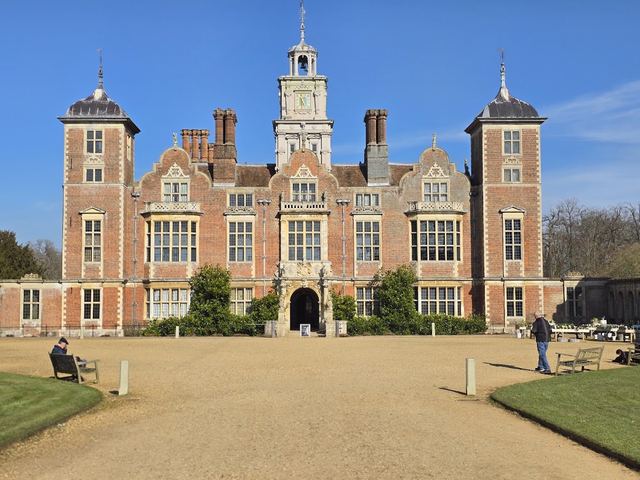
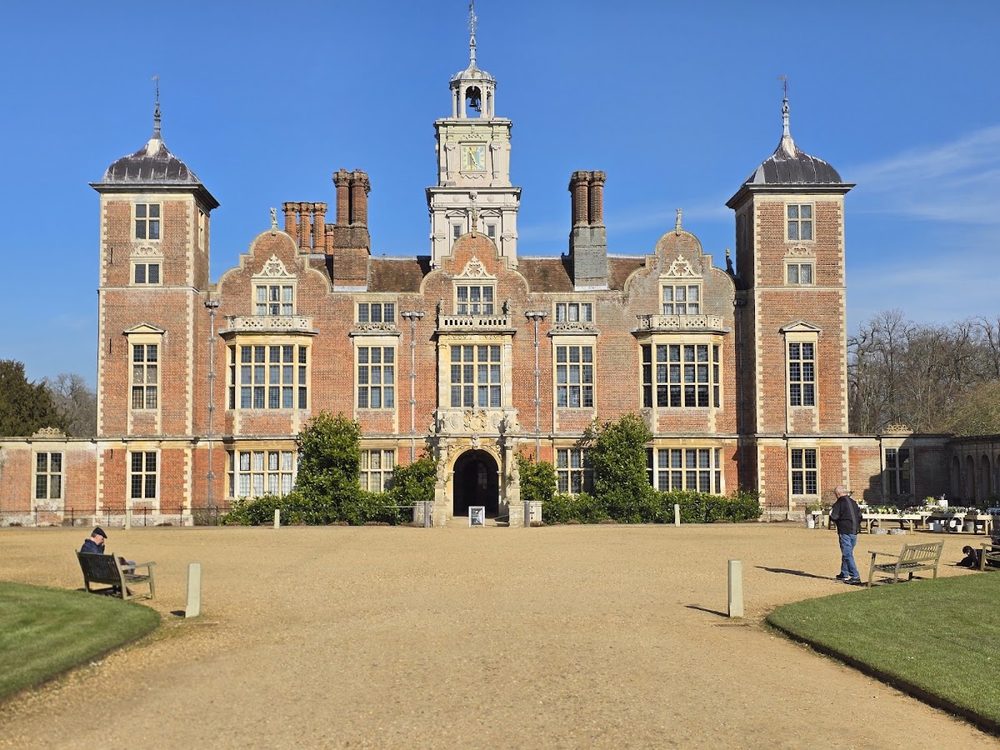
Blickling Estate
Over 12,500 books, the largest book collection in the National Trust's care. Most of it was Sir Richard Ellys's library, inherited by a cousin and moved from London in the 1740s, and the 123-foot Long Gallery was refitted to hold it.
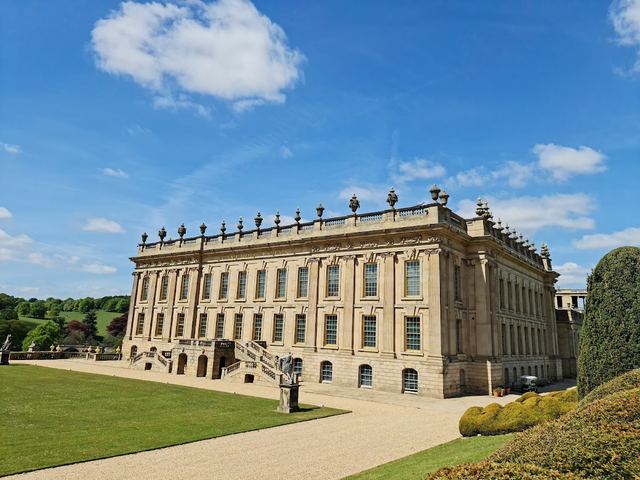
Chatsworth House
Home of the invisible library: bookcases of dummy spines with joke titles, hiding the doors to the gallery stairs. The 6th Duke commissioned the first set from the poet Thomas Hood in 1831.
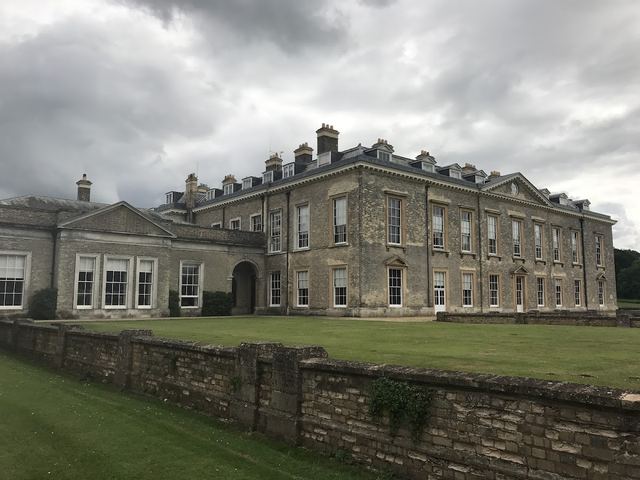
Althorp
Where the greatest private library in the country used to be. The 5th Earl Spencer sold the whole collection in 1892 to pay for an agricultural depression, and it is now in Manchester.
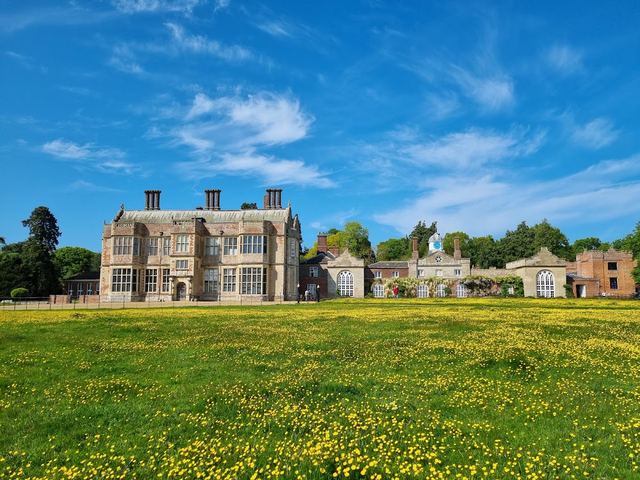
Felbrigg Hall
The Gothic library, made out of the Jacobean great chamber in the 1750s and stocked by two generations of Windhams. More than 5,000 books, the oldest printed in 1509.
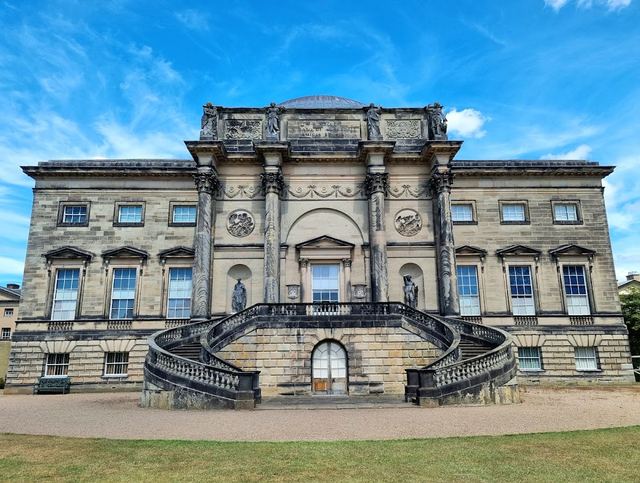
Kedleston Hall
Robert Adam's neoclassical house, and a library where the bindings are treated as being as important as the contents. A specialist book conservator has worked on repairs here.
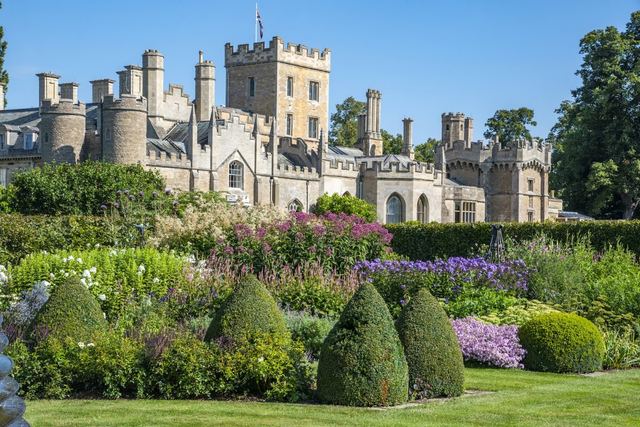
Elton Hall
The Proby family's collection of English bibles and prayer books, which the house says includes Henry VIII's own personal prayer book, annotated in his hand.
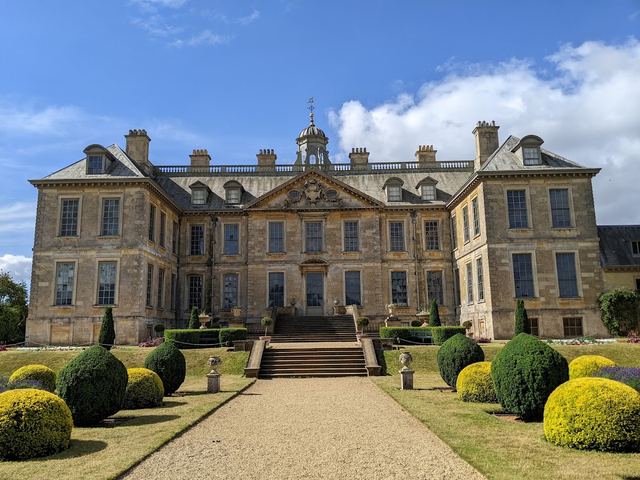
Belton House
One of the few libraries where you are invited to sit down and read. Reviewers describe spending their visit at the table with the books left out for the purpose.
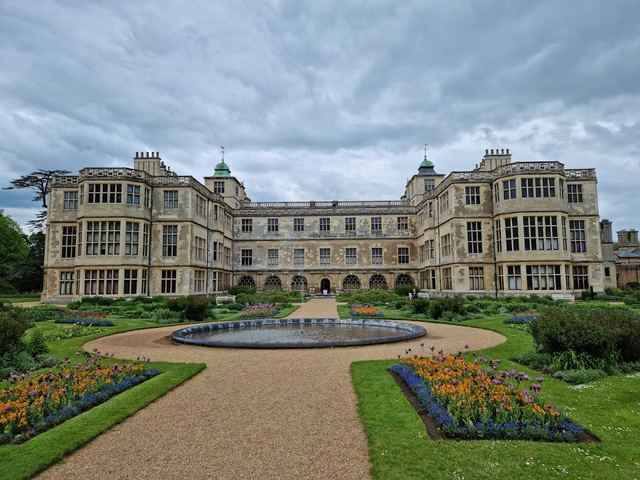
Audley End House and Gardens
Reviewers single this library out as the first one they had been in where they could sit on the furniture and stay a while rather than walk through it.
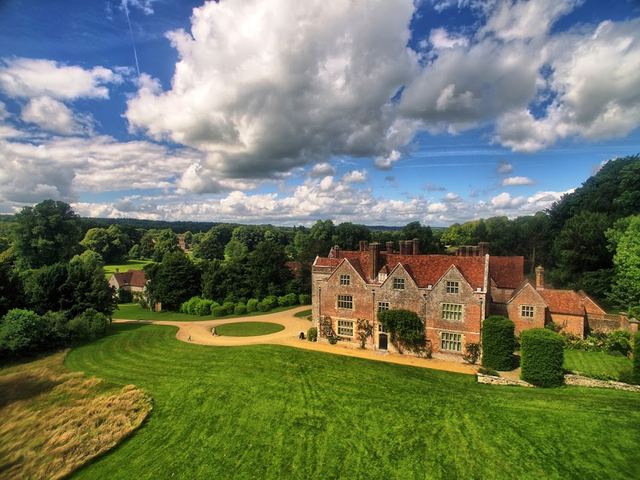
Chawton House
The end point of the idea: a country house that became a library. Once owned by Jane Austen's brother, it now runs as a research centre for women's writing in English from 1600 to 1830.